The I-140 processing time can take several months, but paying the premium fee speeds it up to 15 days. Find out how premium processing works, what it costs, and how long it takes.
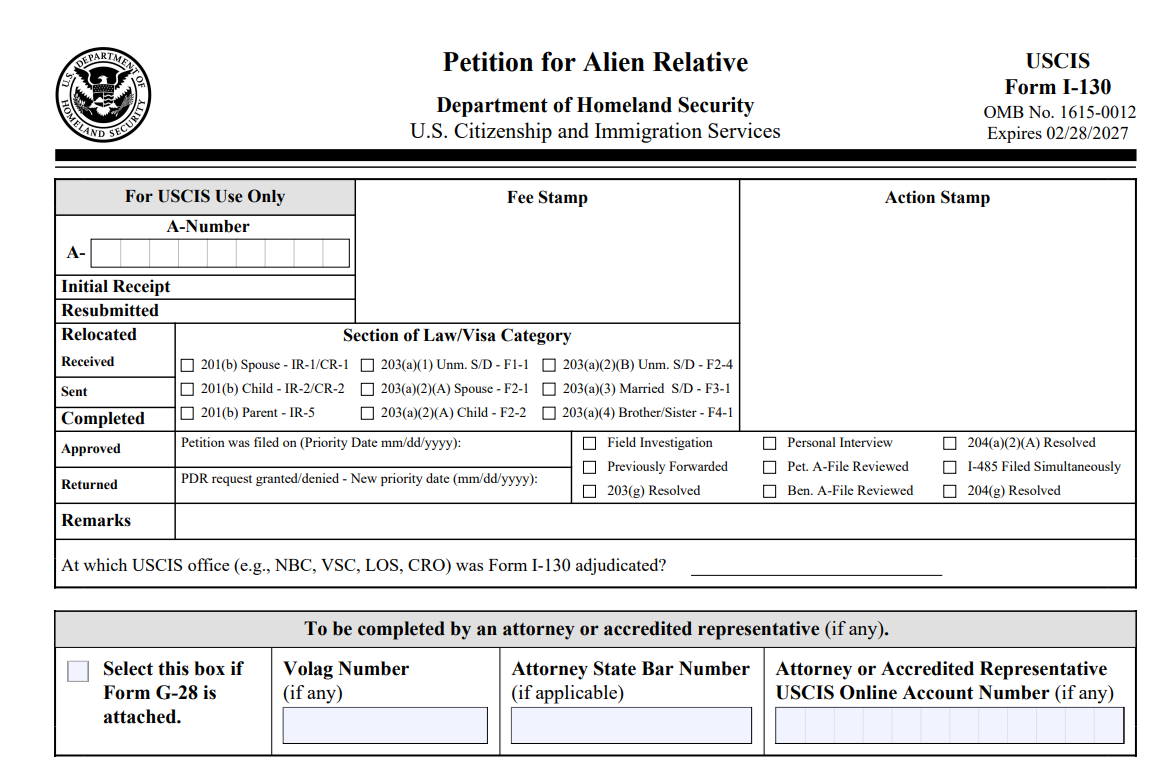
Form I-140, known as Immigrant Petition for Alien Workers, is essential for obtaining permanent resident status in the United States.
According to the U.S. Citizenship and Immigration Services (USCIS), processing times for the I-140 petition can vary significantly depending on the visa category and the processing center. As of 2023, the average processing time for an I-140 in the EB-2 preference category is approximately 6 to 8 months. However, using premium processing, which costs an additional $2,500, can reduce this time to as little as 15 days. It’s important to note that these wait times can fluctuate, as factors such as case volume and evolving immigration policies can impact the process.
Recently, there has been a premium processing fee increase, raising the cost to $2,805 for eligible I-140 categories. Before submitting a request, employers or foreign nationals should be aware of the current premium processing fees.
Read on to learn more about the following:
• Purpose of filing Form I-140
• Factors affecting I-140 premium processing fee and time
• How to file Form I-140
Get immigration help from trusted experts who care.
Table of Contents
Form I-140 is an application form for alien workers used by the United States Citizenship and Immigration Services (USCIS). Employers can file a petition to petition a noncitizen or foreign worker to become a permanent resident in the United States.
To file this form, the employer must:
• Have a job offer that the employee accepted
• Prove that they have enough funds available to pay the foreign worker’s salary, apart from meeting any other requirements listed on the form
In addition to employers, foreign professionals who are qualified for the following employment-based immigration visa may also file Form I-140 to self-petition the USCIS for permanent residency or green card.
• EB-1: Permanent Workers – Extraordinary Ability/Outstanding Professor or Researcher/Multinational Executive or Manager
• EB-2: Advanced Degree or Exceptional Ability
• EB-3: Skilled Workers - Professionals and Other Unskilled Workers
Form I-140 serves as a crucial document in the employment-based immigration process, establishing the employer's genuine job offer to a foreign national for a specific position.
Form I-140 is an essential document in the employment-based immigration process. It establishes a genuine job offer from the employer to a foreigner for a particular position. It also gives a priority date and determines when they can apply for adjustment of status or process papers to get a green card.
Many things can go into the I-140 processing, requiring employers and employees to fulfill specific requirements. Not following instructions may result in the delay, denial, or rejection of the petition.
The average I-140 processing time ranges from 4 months to 22 months.
You may check the I-140 processing time for the service center handling your case through the USCIS Check Case Processing Times tool. Take note, though, that the processing times must only be used as a reference point and not as an absolute measure of how long a petition takes to be completed. It is also based on how long it took for USCIS to complete at least 80% of cases for the past six months.
Generally, USCIS service centers process cases in the order they receive them. Every case is unique, and some cases might take longer than others due to several factors.
The I-140 petition cost is $715. This may cost more if you need to use premium processing to get the visa faster. As an employer, you should pay this amount directly to the USCIS since you’re responsible for filing this form. Regularly check the USCIS website or consult your immigration attorney to be updated on the filing fees.
Being eligible for the Form I-140 may only apply to some. To be eligible, you must be able to meet the following criteria:
• Employer sponsorship: The employer must file Form I-140 in the foreign national’s stead. Their need for a foreign worker in a certain position in their business must be genuine.
• Job offer: The foreign national must have a full-time and permanent employment offer from the employer. Exceptions include categories like self-petitioning individuals.
• Ability to pay: The employer must present documents like tax returns, financial statements, and annual reports to prove they can pay the foreign national’s offered wage.
• Qualifications: The foreign national should be qualified for the job position as specified by the employer. These qualifications include educational credentials, work experience, and additional training.
• Preference category: The employer files the Form I-140 for job categories EB-1, EB-2, and EB-3. These categories depend on the nature of the job and the foreign national’s credentials.
• Labor certification: In some cases, the employer must get a labor certification from the U.S. Department of Labor for EB-2 and EB-3 to show that no U.S. workers qualify for the position.
• Admissibility: The foreign national must be allowed to work in the U.S. under the immigration laws. These include factors like health issues and criminal history.
The eligibility requirements for Form I-140 can differ depending on the circumstances and preference category. Ask your immigration attorney for eligibility guidelines and the petition process.
Our immigration experts are ready to guide you—just get immigration help.
Here are the five main factors that can affect I-140 processing time:
The current workload of USCIS can affect I-140 processing time. Cases have been delayed due to the high volume of petitions being adjudicated by USCIS.
Similarly, your petition may take longer to be completed if USCIS has a backlog of petitions. Currently, the office is facing adjudication backlogs in several categories, including:
• Employment Authorization Documents (EADs)
• Adjustment of Status (AOS) applications
• Naturalization applications
Your petition's priority date is the date the USCIS received it. To have a visa number become available for your case, your priority date must be “current” with the final action dates provided in the monthly visa bulletin of the Department of State. Otherwise, the agency won’t start to process your petition, which could add months or years to your I-140 petition.
The type of visa or petition you are requesting will also affect processing time.
Cases under the EB-1 category have had shorter wait times compared to cases in the EB-2 and EB-3 categories.
For your I-140 petition to be processed quickly, it must be complete and contain all required documentation. Any missing information or documentation will result in the delay or denial of your case. It will also be sent back with a Request for Evidence (RFE).
The RFE is a request from USCIS asking you to provide more information, supporting papers, or additional documentation to make a decision on your case. It is common in employment-based immigration cases. If you receive one, make sure to respond timely and thoroughly.
The PERM labor certification process is a requirement for most employment-based immigrant visa categories. This ensures that no qualified U.S. workers are available to fill the position posted or needed by the foreign worker. This process can take several months to complete and must be completed before an employer can file Form I-140 on behalf of a noncitizen worker.
USCIS provides premium processing services, including Form I-140. If requested, USCIS guarantees that adjudication will be completed within a time frame.
For $2805 in fees, certain immigrant workers may be able to seek "premium processing" of their Form I-140. A petition must include the necessary signature and the appropriate filing fee.
During 15 - 45 calendar days, USCIS will issue either an approval or a denial notice. Eligibility criteria for the application are available on the USCIS website.
USCIS does provide premium processing services for certain immigration forms, including Form I-140. This is an optional service for those who want to expedite the processing of their I-140 petitions; however, it comes with an additional fee.
 Image Source: USCIS
The regular processing time for I-140 petitions may take several months. But if you opt for the premium processing service, USCIS can make a decision about your petition in as fast as 15 calendar days.
Within 15 days, you will receive one of the following decisions:
• An approval notice
• RFE
• Notice of intent to deny (NOID)
• Denial notice
• Request to commence an investigation for fraud or misrepresentation
Should you receive a NOID or RFE, you must provide the information requested within the period stated in the notice. Once you submit the required documentation, the USCIS will start a new period of 15 calendar days to expedite your petition.
Important Note: Not all employment-based green cards are allowed to file for premium processing. USCIS announced the final phase of the premium processing expansion for I-140 petitions.
Let experts guide your next move. Get immigration help now.
Here are the key steps involved in filing I-140 petitions:
The employer must submit all necessary documents. These include
• evidence that they have sufficient financial resources to pay the employee’s wages
• proof that the job offered is a valid occupation in the US
• evidence of any other relevant qualifications or experience required for the position
Once the I-140 application is filed, you should receive a receipt notice from USCIS. This can take 1–2 weeks. This also indicates that your petition is now in a queue with other applications awaiting processing.
Once USCIS receives your petition, it will thoroughly review your application and supporting documents and decide whether to approve or deny it.
You may check your case status online.
Once USCIS has processed your application, you should receive an NOA stating whether your petition was approved or denied.
If you receive an approval notice, you can initiate the green card process through either Adjustment of Status or Consular Processing. But if it gets denied, you may appeal if you believe USCIS made errors in its decision-making process.
Immigration is a complicated and tricky process that may quickly sap you of your energy, time, and resources when you’re not careful. Our immigration lawyers here at Hacking Immigration Law, LLC, can guide you to avoid common mistakes. We can even fight on your behalf should any complication arise.
We specialize in immigration cases, including employment-based visa applications. If you need to know how to file Form I-140, how long it takes to be processed, or if you must deal with RFE, we are here to help you. Partner with our experienced immigration attorneys in St. Louis to reach your immigration goals.