In U.S. immigration, the principal applicant is the primary person who qualifies for an immigrant visa based on a specific petition (such as an employment or asylum petition). A derivative applicant is a family member, typically a spouse or unmarried children, who can adjust status or obtain a visa based on their relationship to the principal applicant rather than having a separate immigrant petition filed for them.
What does it mean to be the principal or the derivative applicant?
Hi, I'm Jim Hacking, an immigration lawyer practicing law throughout the United States at our offices in St. Louis, Missouri, San Diego, and Washington D.C. At Hacking Immigration Law, LLC, we don't often make videos about just one or two words, but these two terms are vital for you to understand when dealing with immigration services or USCIS: the principal applicant and the derivative applicant.
Key takeaways:
• The principal applicant is the main beneficiary who first qualifies for the visa category.
• Derivative applicants (spouses and children) "derive" their immigrant status from the principal’s approved petition.
• The Child Status Protection Act (CSPA) helps protect the derivative child from aging out if they turn 21 during the immigration process.
• Not all categories allow derivatives; for example, the immediate relative category requires a separate petition for each family member.
Avoid delays in your immigration process or issues with a derivative child aging out.
INDEX
A principal applicant (or primary applicant) is the foreign national who benefits the most from an immigrant petition. This is the person who meets the primary requirements for the visa classification.
For example, if someone is working on an employment-based visa and applying for a green card, they are the principal beneficiary because they have an employer who sponsored them. When filling out Form I-485 to seek lawful permanent resident status, you would indicate that you are the principal. Essentially, the principal is "number one"—the main person the National Visa Center or USCIS recognizes as the anchor of the case.
The derivative applicants are the family members attached to that principal application. These are usually the spouse and children of the principal beneficiary who is applying for lawful permanent residence.
The word "derivative" refers to derivative status, meaning their right to a visa is derived from, or breaks off from, the principal’s eligibility. These visa applicants are essentially riding the coattails of the principal applicant. They do not need to file separate petitions in most family preference or employment categories; they are included under the originally filed petition.
We also see this frequently in the asylum or deportation context. You have the principal, and then the derivatives are all the people included in that application. Their immigration benefits depend on the principal's future approval.
For a derivative child, timing is everything. Under immigration law, a child must generally be under 21 and remain unmarried to qualify. However, the Child Status Protection Act (CSPA) provides a CSPA age calculation that can freeze the beneficiary's age, allowing them to remain valid as a derivative even if they turn 21 during the wait for visa availability.
It is important to note that if the marital status of a derivative changes (e.g., a child gets married), they may lose their derivative classification and their ability to adjust status under the principal applicant’s case.
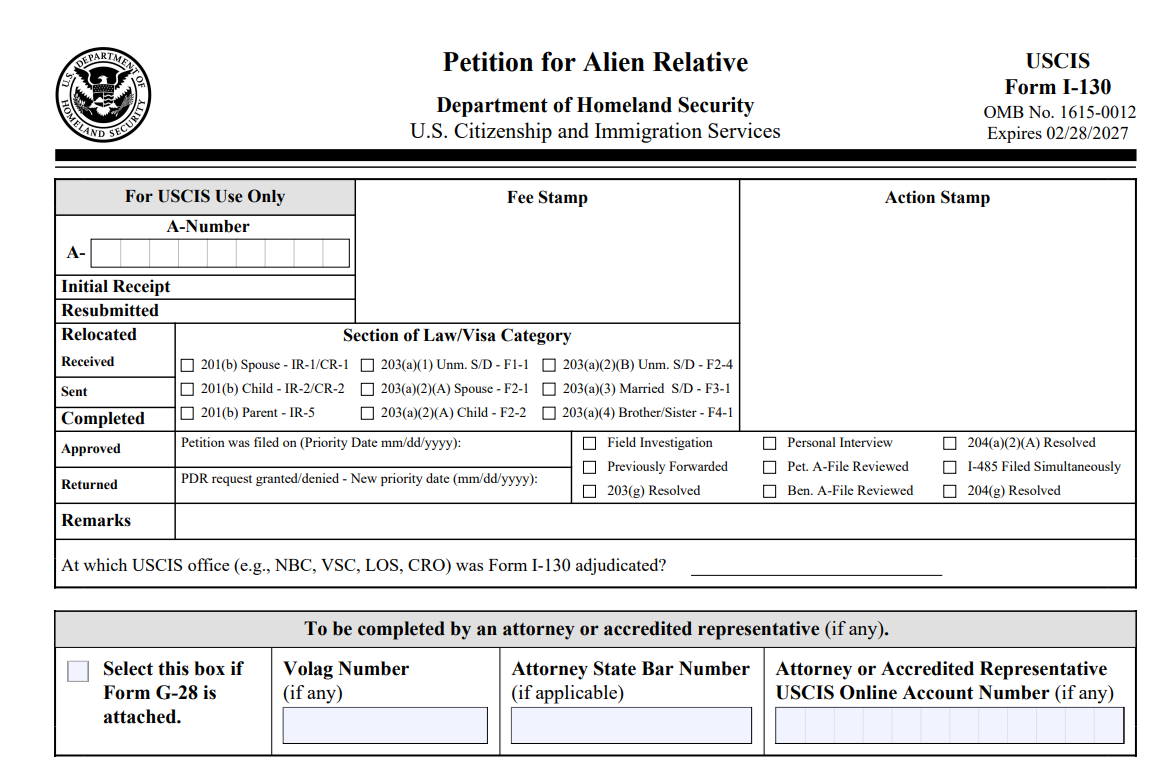
In the immediate relative category (such as a citizen petitioner filing for an alien spouse), the rules are different. In these cases, the U.S. citizen must file a separate relative petition for the spouse and each child. There is no derivative path for immediate relatives; each must have their own approved application to obtain permanent resident status.
What is the difference between a principal and a derivative beneficiary?
The principal beneficiary is the person for whom the immigrant petition was directly filed (e.g., the employee in a work visa). The derivative beneficiary is the spouse or child who gets to apply for a green card because of their qualifying relationship to the principal.
Can a derivative applicant get a green card before the principal?
No. A derivative cannot obtain permanent residence until the principal applicant qualifies and is granted their visa or adjustment of status.
What happens to derivatives if the petitioner naturalizes?
Upon the petitioner's naturalization, a petition converts from a preference category to an immediate relative petition. This may require the family to file separate petitions, as the derivative classification might no longer apply.
Does the Child Status Protection Act (CSPA) apply to all derivatives?
The Child Status Protection rules apply to many, but the age frozen date depends on the visa category and when the visa petition was filed. It is best to consult with an attorney regarding consular processing and CSPA.
If you're thinking about filing an application with principal applicants and derivatives, or any other immigration benefit, contact us now.