A green card usually lasts 10 years for permanent residents while 2 years for conditional ones before renewal or adjustment is required. As for getting one? The processing time can take anywhere from a few months to several years—depending on your category, eligibility, origin, and visa availability. Discover the answers to your questions and typical timelines for obtaining a Green Card.
Can I apply for a Green Card legally after living here for five years?
Hi, I'm Jim Hacking, an immigration lawyer practicing law throughout the United States at our offices in St. Louis, San Diego, and Washington, DC. Today's question comes from one of our YouTube subscribers, and they want to know, “If I've been in the United States in legal status for five years, does that mean it's time for me to apply for my Green Card?” We’ll also discuss another common question - “How long does a green card last?”
Let’s break down what’s needed and why just being here isn’t enough.
Key Takeaways:
• Being in the U.S. for five years on a legal, non-immigrant visa doesn’t automatically qualify you for a Green Card.
• To apply for a Green Card, you’ll need sponsorship or to meet specific eligibility requirements.
• Our skilled attorneys can help you with the complex Green Card application process.
Take control of your immigration process today. Click now to speak with an experienced attorney!
Table of Contents
Have you been living in the United States legally for five years and wondering if it’s finally time to apply for a Green Card? Many people think that simply staying in the country legally for several years is enough to qualify. In reality, the path to permanent residency (or a Green Card) is a bit more complicated.
A Green Card holder is a resident authorized to live and work in the United States. The permanent resident card is proof of status granted by the USCIS (U.S. Citizenship and Immigration Services.)
Remember, if you're in the United States in non-immigrant status or, as I believe the viewer meant, legally, you've been in the United States in some kind of legal status, does that give you the right or the ability or the time to file for lawful permanent residence, to apply for an immigrant visa to stay in the United States permanently? The answer to this question is, sadly, NO.
Think of it this way: You can be on a student visa, working hard and following the rules, but that doesn’t automatically unlock the door to a Green Card. In other words, time alone doesn’t give you a shortcut to stay here permanently.

Just being in the United States, following the rules, and having a non-immigrant visa for a certain amount of time does not give you any legal status and no way for you to apply for lawful permanent resident status. In certain ways, your non-immigrant status doesn't give you any leg up or any path to a Green Card residence or citizenship.
Here’s the issue: the things are sort of on two separate tracks. If you're in the United States, you need to have a valid immigration status. Then, there are a lot of people who aren't, but I think the viewer just sort of assumes that those people can't apply for a Green Card but just being here on a non-immigrant visa.
So, let's say you've been in the U.S. on an F1 student visa for four, five, or six years. Maybe you go to school, you get OPT, and then you'll be in the United States for five years. It's the five-year anniversary of your arrival in the United States with valid non-immigrant status. Does that mean that you can then apply for a Green Card? No, it doesn't.
Confused about the Green Card process? Let our team guide you through it—get personalized immigration help now!
For a Green Card or lawful permanent resident status, you need one of four things to have occurred. The process requires one of four main pathways:
• winning the diversity visa
• being granted asylum
• obtaining sponsorship from a family member
• securing employer sponsorship
Those are really the four major routes. There are some investor visas and some religious visas that might lead to a Green Card, but that involves somebody sponsoring you. Just the simple fact of being in the United States in legal status doesn't give you the right or the ability to apply for a Green Card.
So, in a way, all that time that you've been here in that non-immigrant status doesn't really affect or help your ability to get that Green Card. Now, you might make connections, you might find an employer through the H-1B program or something like that who wants to sponsor you for a Green Card.

Imagine spending years studying, working, or even raising a family in the U.S., only to realize that all that time doesn’t bring you any closer to your dream of living here permanently. You’ve followed the rules and integrated into the community, but the Green Card requirements still seem just out of reach.
The timeline for receiving your U.S. Green Card (Permanent Resident Card) varies based on several factors.
1. Immigration Category: Different categories, such as family-sponsored, employment-based, or diversity lottery, have varying processing durations.
2. Country of Chargeability: Some countries have a higher demand for Green Cards, leading to longer wait times due to annual visa caps.
3. USCIS Processing Times: Processing times can fluctuate based on workload and staffing at USCIS.
• Family-Based Green Cards: Processing times can range from months to several years, depending on the specific family relationship and country of origin.
• Employment-Based Green Cards: They typically take several months to over a year, influenced by the specific employment category and country of charge ability.
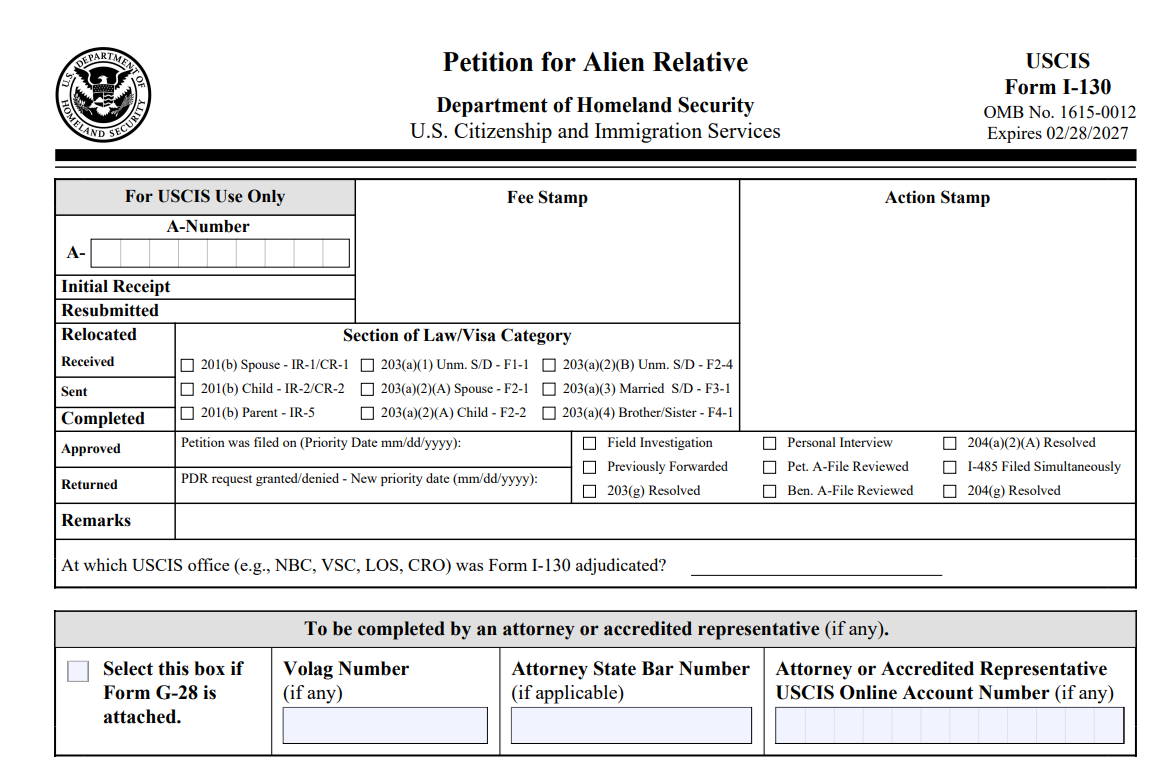
• Marriage-Based Green Card: The process typically involves submitting Form I-485, Adjustment of Status Application, and Form I-130, Petition for an Alien Relative.
• Diversity Visa (DV) Lottery: Winners must go through consular processing, which can take several months.
• Priority Date: This is the date your immigrant petition is filed, which establishes your place in line for a Green Card.
• Country-Specific Backlogs: Some have longer wait times due to high demand.
• Processing Delays: Factors such as incomplete applications, additional security checks, or administrative backlogs can cause delays.
To check your immigration application status, you must know which USCIS field office or service center is processing your application. You can check your status online using the case status tracker of USCIS or by calling the National Customer Service Center at 800-375-5283. You’ll need your application receipt number.
Consult with an experienced immigration attorney like Hacking Immigration Law, LLC, for the most accurate and personalized information.
Your Green Card lasts depending on the type of permanent residency status you hold:
• Permanent Residents (10-Year Green Card) – A standard Green Card for lawful permanent residents is valid for 10 years. You must renew it before it expires to maintain proof of your residency.
• Conditional Permanent Residents (2-Year Green Card) – If you obtained your Green Card through marriage (less than two years at the time of approval) or as an entrepreneur/investor, you receive a 2-year conditional Green Card. To stay in the U.S., you must file a petition to remove conditions. Do this within 90 days before the card expires.
While your physical Green Card expires, your permanent resident status doesn't unless you abandon your residency or commit a deportable offense. However, keeping your Green Card up to date is essential for travel, employment, and other legal purposes.
Your expired green card doesn’t invalidate your lawful permanent resident status, but you may face difficulties when:
• Applying for jobs
• Re-entering the U.S. after travel
• Renewing a driver’s license or ID
• Proving your status for certain benefits
Simply being in the United States legally doesn’t automatically qualify you for a Green Card. To apply, you’ll need a sponsor—whether it’s a family member, loved one, or employer—to support your case. Once you get your green card, renew it at least six months before it expires by filing Form I-90 with USCIS to avoid complications.
Need more guidance? Call 314-961-8200 or email [email protected]. You can also connect with us through our Immigrant Home Facebook group, a community of over 6,000 members who share insights and support.
Plus, check out our YouTube channel, where we’ve answered hundreds of immigration questions over the years. Join us live on the Immigration Answer Show every Tuesday and Thursday at noon Central, where my friend Daniel and I discuss immigration topics and answer your questions from around the world.
We’re ready to guide you and be one of the green card holders!