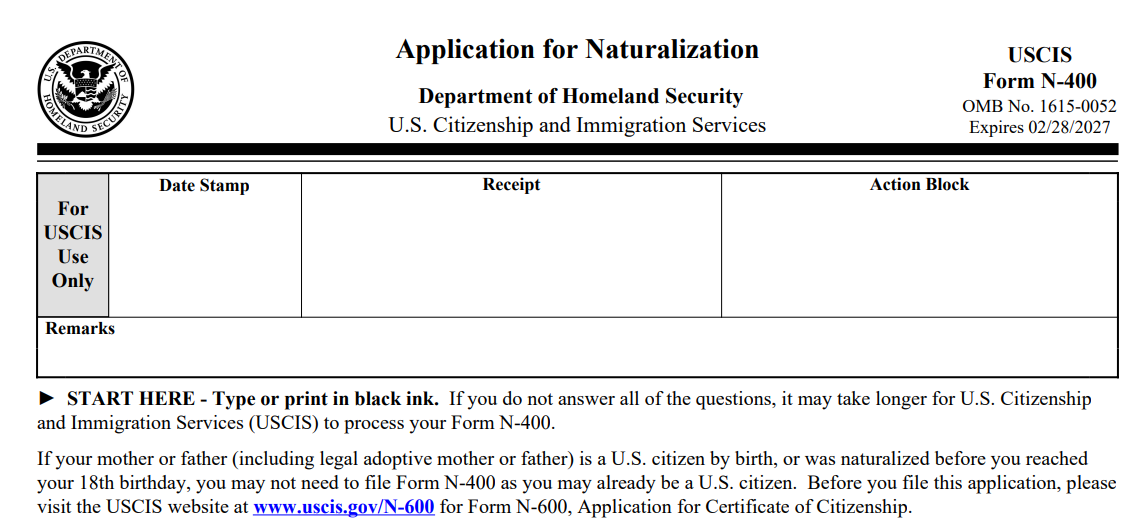
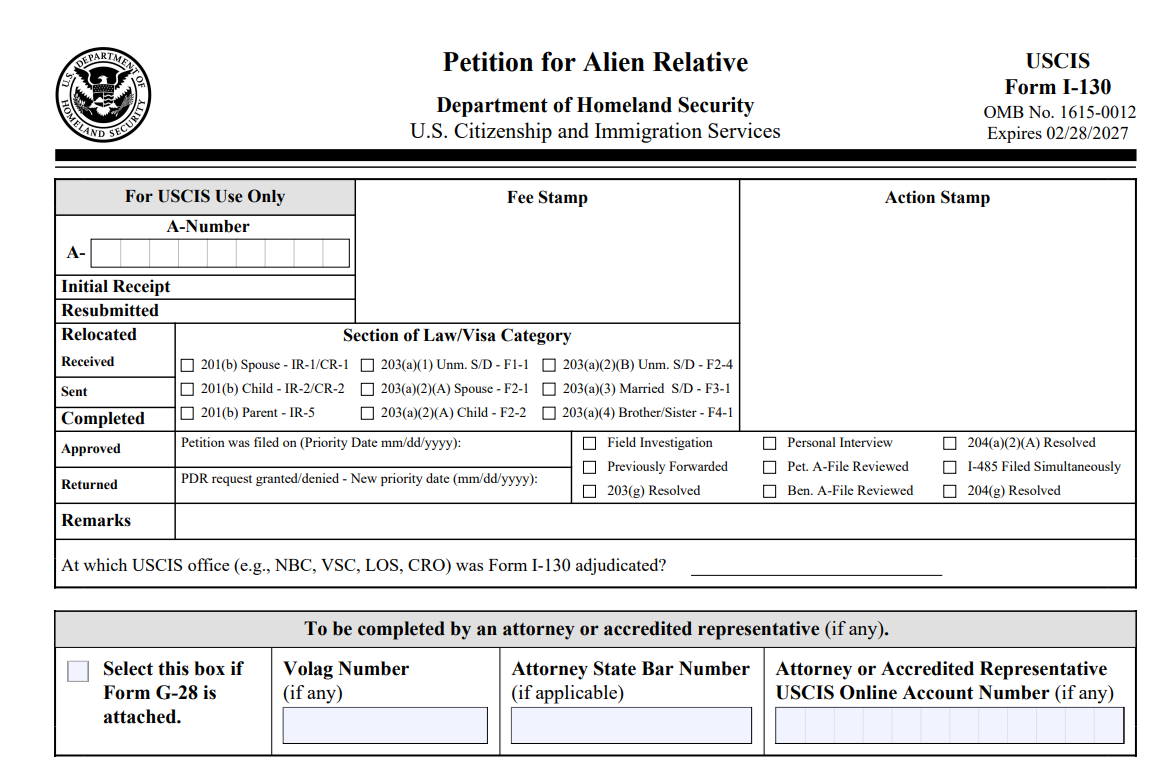
USCIS processing times for H-1B and L-1 petitions vary significantly depending on the service center, workload, and whether premium processing is requested. Regular processing may take several months or longer, while premium processing provides a response within the guaranteed timeframe set by USCIS.
Wondering how long it takes to get a work visa?
You're not alone in this labyrinth. In fact, for many aspiring professionals eyeing opportunities abroad, the duration of obtaining a work visa is their #1 concern.
The process of getting that coveted permission to legally work in another country feels like an uphill battle. But let's face reality. If you want your dream job overseas, understanding "how long does it take to get a work visa" becomes crucially important.
Key Takeaways:
• The processing time for a work visa can vary depending on the factors and criteria given by USCIS.
• You can track the status of your work visa application through the USCIS website.
• Getting help from an immigration lawyer is vital to speed up the processing time of your immigration case.
Table of Contents
The United States work visa serves as a legal authorization that allows foreign nationals to engage in employment. This is issued by the U.S. Department of State through U.S. embassies and consulates in other countries. Before you can get the visa, however, U.S. Citizenship and Immigration Services (USCIS), which is part of the Department of Homeland Security, must first approve your petition.
Here are several types of work visas available:
• H-1B visa. This work authorization caters to specialty occupations requiring theoretical or technical expertise.
• H-2A visa. This is available for agricultural workers.
• H-2B Visa. This H-2B visa is for temporary non-agricultural workers. It's used for seasonal or peak-load positions in industries like hospitality and tourism.
• L-1. This visa is for intracompany transferees who are executives or managers.
• O-1. This is for individuals with abilities in the arts, education, business, or athletics.
• P-1. This visa is for athletes and entertainers who are coming to the United States to perform.
• TN. This visa is for professionals who are citizens of Canada or Mexico and who are working in a NAFTA-related occupation.
• E-1. This visa is for foreign nationals from treaty countries who come to the U.S. to conduct substantial international trade in goods or services between their home country and the U.S.
• E-2. This visa is for foreign nationals from treaty countries who invest a substantial amount of money in an American business and come to the United States to direct and develop that enterprise.
Please note: the list of all the different types of U.S. work visas is on the USCIS website. To successfully obtain a work permit application approved by USCIS requires careful navigation through complex immigration services processes.
IMMIGRATION ANSWERS SHOW JOIN-US
When it comes to obtaining a work visa, understanding the average processing times is crucial. Processing times vary widely depending on the visa category, service center workload, and whether premium processing is used. In many cases, regular processing can take several months, and additional time may be required for consular processing abroad.
Factors that influence these timelines include the:
• Type of work permit application
• Number of applications in the queue at immigration services
• Variations based on individual circumstances and country of origin
• Applicant's nationality
There are cases where processing times can be even longer. For instance, if the applicant's application is incomplete, the processing time may be extended.
Moving beyond temporary permits into permanent resident status via an employment-based green card brings its own set of timelines. The process here could take anywhere between 6 months all the way up to 33 months, depending on various factors. These factors include priority dates, the Visa Bulletin process, how the U.S. Department of State (DOS) allocates immigrant visas, and consular processing requirements.
Consular processing is a necessary step for individuals who are applying for work permits from outside the United States. This process involves an interview at a U.S. embassy or consulate in the applicant's home country.
Here’s how it works:
• During the interview, the consular officer will check the applicant's documents and determine their eligibility for a work permit. It is important to be prepared for this interview and have all the necessary documents in order.
• After the interview, the consular processing may also involve a medical examination and background checks. These steps ensure the safety and security of the United States.
• Once the consular officer approves the work permit application, the applicant will receive a visa stamp in their passport. This stamp allows them to travel to the United States and begin working legally.
Obtaining a work permit is a lengthy procedure, so it’s recommended to consult with an immigration lawyer. It’s wise to get the help of a knowledgeable immigration lawyer or specialist to assist you with the procedure. Plus, it guarantees that all essential measures are finished accurately.
Work permit timelines can vary widely. However, systemic and case-specific issues can delay your application. Understanding these factors that affect your work permit application helps you set realistic expectations and prepare a strong filing:
Government workload and screening requirements can influence how fast your case moves. Here’s what you need to know:
• Normal processing times can take longer due to heavy caseloads at the Department of Homeland Security and immigration agencies.
• Some cases may get additional screening based on immigration history, security checks, and database matches.
• A temporary protected status or a pending asylum application can be delayed due to additional review steps.
• Applicants transitioning from temporary residence to permanent residence applications may face additional scrutiny.
Processing times differ by visa category and filing type—some are inherently slower than others.
Here’s a short overview:
• Initial work permit applications usually take longer to process than renewal applications.
• Permanent residence applications may have more layers of review than other applications.
• Petitions involving skilled workers can move faster with strong employer documentation. However, the timeline can still depend on agency workload and category rules.
• Requests for expedited processing are approved in well-documented yet limited situations, such as severe financial loss, urgent medical needs, and safety concerns.
Applications that include family members need more documentation and verification. You need to know that:
• The document review requirements increase when you add a dependent child.
• Gather more proof of a relationship when you include your common-law partner.
• You may encounter verification checks when submitting a marriage certificate.
• More requests for evidence may come with inconsistent family records.
Many processing slowdowns can be prevented. These applicant-side errors are the most common causes:
Document errors cause delays across permit and visa types. Missing or incomplete submissions prompt additional review or requests.
You should include your latest mailing address to avoid losing notices. Prepare other documents, such as a marriage certificate and employer letters that align with the job description or wage data, to avoid delays.
Small mistakes on forms can set your application back by weeks or months. Here’s what you should do:
• Select the correct category on initial work permit applications.
• Follow all eligibility requirements for temporary residence if you’re a temporary resident.
• Pay the correct filing fee.
• Fill out and submit the correct version of the application form.
• Check the names and dates across forms and passports to see if they match.
Modern immigration systems depend on digital tracking, and misuse can slow communication. You should:
• Create or properly link a USCIS account.
• Track the receipt notice after submitting your application.
• Keep and record the receipt number.
• Check portal messages after you file online.
• Do not submit duplicate cases through online filing and paper filing simultaneously.
Bad timing can also cause gaps and complications in your application. Don’t wait until your work permit expires before you file for an extension. File for renewal applications before it’s too late.
If you want to commence your fresh role in the U.S., USCIS premium processing could be a lifesaver. The following forms are eligible for Premium Processing:
• Form I-129, Petition for a Nonimmigrant Worker
• Form I-140, Immigrant Petition for Alien Worker
• Form I-539, the Application to Extend/Change Nonimmigrant Status
• Form I-765, the Application for Employment Authorization
USCIS's premium processing service can dramatically reduce the time it takes to process work visas, providing a response within fifteen days. It guarantees that your application will receive a response within fifteen calendar days.
Premium processing is an attractive option for many applicants seeking employment visas or green cards due to its expedited timeline. A shorter waiting time compared with regular procedures means quicker decisions on applications. This allows individuals and companies to hire foreign workers with more certainty sooner.
Here’s how to request premium processing and the timeline given by USCIS:
| Forms | Timeline |
| Most classifications | 15 calendar days |
| Form I-765 for F-1 seeking OPT or STEM OPT extensions | 30 calendar days |
| Form I-539 applicants requesting a change of status to M-1, M-2, F-1, F-2, J-1, or J-2 nonimmigrant visa status | 30 calendar days |
| Form I-140 for E13 multinational executive and manager; Form I-140 for E21 national interest waiver classifications | 45 calendar days |
Generally, you can save time and resources by not having to wait for a decision on your application.
Speedier results sound appealing. However, it's important not to just jump into USCIS premium processing without understanding what it entails financially.
There is a cost associated with requesting this service. If you request premium processing, they guarantee to take action on the matter within the time frame. If USCIS does not take action within the guaranteed premium processing timeframe, it will refund the premium processing fee (but not the underlying filing fee).
You also need to consider the potential benefits, such as securing lawful permanent resident status earlier. This often proves worthwhile for many immigrants.
Navigating the complexities of immigration law, especially concerning work visas and employment-based green cards, can be difficult to manage.
An experienced immigration lawyer from Hacking Immigration Law, LLC, an award-winning firm, provides invaluable guidance throughout this complex process.
A legal expert not only helps you understand the visa or green card application process but also advises you on selecting the right type of employment visa based on your qualifications and a job offer. This professional assistance is crucial for avoiding potential pitfalls that could delay your application or even lead to denial.
As recommended by many attorneys at Hacking Immigration Law, LLC, it offers expedited handling for certain forms. This means shorter waiting times compared with standard procedures.
An attorney guides clients through these requirements, too. This is like renewing their document periodically to ensure continued compliance.
Working in the U.S. with a green card comes with responsibilities that must be met to maintain your permanent resident status.
Renewing your green card is crucial to maintaining a lawful permanent resident status. This process involves a visa interview at a U.S. embassy in the applicant's home country.
After obtaining a green card, naturalization can be pursued to gain additional rights like voting in federal elections and protection from deportation. Naturalization offers additional rights, such as voting in federal elections and protection from deportation under most circumstances.
Here is the fulfillment of obligations for maintaining immigration status:
• You should not commit any actions that could make you removable under immigration law. This includes certain crimes or fraud related to public benefits.
• If possible, avoid long trips outside the United States, which may raise questions about whether you intend to abandon your residency.
• Paying taxes on time and reporting income correctly are essential parts of being responsible residents.
These steps will help ensure continued eligibility for the employment authorization document while living in America.
The processing time for a U.S. work permit or visa varies from 3 weeks to 4 months. This depends on the type of visa and application backlog.
The duration is due to thorough background checks, document verification processes, and varying numbers of applications received by USCIS.
Sponsoring an employment-based green card can range between 6 months and 33 months. This is based on category, priority dates, and country-specific quotas.
The processing time for work visas is a critical aspect. This greatly impacts individuals seeking international job opportunities. Understanding the factors can help applicants better prepare for the immigrant visa application process.
When it comes to navigating immigration, choosing the right legal representation is key. By choosing Hacking Immigration Law, LLC, you are entrusting your immigration matters to a firm that genuinely cares about securing the best possible results.