Yes, you should bring a lawyer to your citizenship interview. A simple naturalization case may not require legal help, but if anything in your immigration history, criminal record, taxes, travel, marriage, or N-400 application is complicated, having an immigration attorney at your citizenship interview can protect you from avoidable problems.
Should I bring an attorney to my immigration interview?
Hi, I’m Jim Hacking, an immigration lawyer practicing throughout the United States from our offices in St. Louis, San Diego, and Washington, D.C. Over my 25 years of practice, I’ve seen hundreds of USCIS interviews—some routine, some tense. But nothing quite like what’s happening today in certain field offices.
Most immigration officers ask questions straight from the forms and don’t try to trick people. But some officers are known to use tactics designed to intimidate, mislead, or even catch applicants off guard. For example, in a naturalization interview following the 2016 election, where the first question was, “So, who did you vote for?” This isn’t about civics; it’s a subtle attempt to catch our client in a lie.
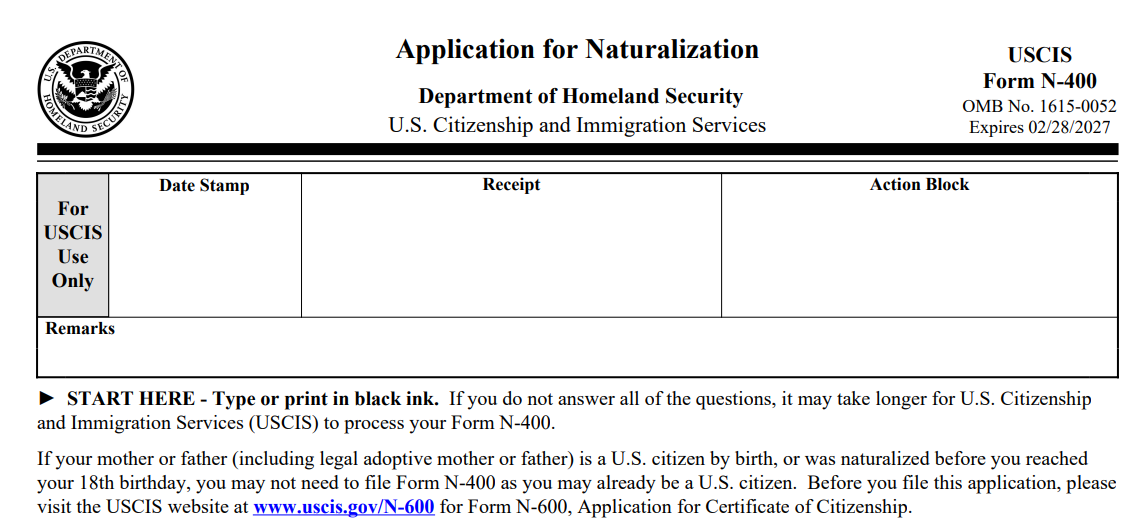
Your naturalization interview is not just a casual conversation with USCIS. The officer is reviewing whether you qualify for U.S. citizenship, whether your Form N-400 is accurate, and whether anything in your past could affect good moral character, continuous residence, or eligibility.
With what’s happening inside USCIS field offices in places like San Diego and San Francisco, the danger level has gone up dramatically. This is where a skilled immigration lawyer is ideal. A citizenship immigration lawyer can help you prepare before the interview, attend with you, and respond if USCIS raises concerns.
Key Takeaways:
The collaboration between USCIS and ICE has increased the risks at immigration interviews. Discover how a lawyer helps safeguard your rights, prevent detention, and guide you through the process.
Table of Contents
Here’s how a naturalization lawyer can help you at your citizenship interview:
A lawyer can review your Form N-400 before the citizenship interview and catch mistakes, missing details, or answers that may trigger USCIS questions. This matters because the N-400 covers travel, employment, taxes, arrests, citations, immigration history, family details, and good moral character.
A lawyer can help you prepare for difficult USCIS questions by identifying the parts of your case the officer may focus on. These may include travel, marriage, arrests, selective service, taxes, child support, prior immigration filings, or inconsistent information.
A lawyer can identify citizenship interview red flags before USCIS uses them against you. Common issues include long trips outside the United States, unpaid taxes, criminal charges, selective service problems, prior immigration concerns, marriage history issues, and mistakes in older immigration forms.
A red flag does not always mean your case will be denied. However, it should be explained with the right documents and legal strategy before the officer decides whether you qualify for naturalization.
A lawyer can attend your naturalization interview and sit with you while USCIS asks questions. The lawyer cannot answer personal questions for you, but they can take notes, clarify legal issues, ask for a break, and help keep the interview within proper boundaries.
Having a lawyer in the room can also help if the interview becomes confusing, unfair, or focused on a legal issue you were not prepared to handle alone.
A lawyer can help protect your rights if USCIS asks questions that create legal risk. Some questions may involve criminal issues, immigration fraud concerns, prior misrepresentations, or facts that could affect your green card status.
If a question creates a serious risk, your lawyer can ask to pause, request clarification, or advise you before you answer. That can prevent a nervous applicant from saying something inaccurate or incomplete under pressure.
A lawyer can help after the citizenship interview if USCIS issues a Request for Evidence, delays the case, continues the interview, or denies the N-400. The response after the interview may determine whether the case gets approved or becomes more complicated.
If your case is stuck or delayed, a lawyer can also review whether a follow-up, service request, or lawsuit strategy may be appropriate. At Hacking Immigration Law, LLC, we have helped immigrants respond when USCIS leaves them waiting or unsure about the next step.
Yes, you should strongly consider hiring a lawyer for your citizenship interview, especially if your case includes any complications. That includes arrests, tickets that were not properly disclosed, probation, unpaid taxes, long trips abroad, marriage issues, divorce after a marriage-based green card, old immigration violations, prior denials, selective service problems, or anything on the N-400 that you do not fully understand.
On the other hand, if your case is simple, your N-400 is accurate, your record is clean, and you clearly meet the naturalization requirements, you may not need a lawyer for your citizenship interview. Many applicants with straightforward cases attend the interview alone and are approved.
The question is not whether every applicant needs a lawyer. The real concern is whether you can afford to walk into the interview without knowing how USCIS might view the weak spots in your case.
Most citizenship interviews do not involve ICE or detention risk. However, USCIS interviews are still legal proceedings, and recent reports from other types of immigration interviews show why it is dangerous to assume every USCIS appointment will be routine.
For applicants with complicated immigration histories, prior overstays, removal issues, criminal concerns, or status problems, a lawyer can help identify risks before the interview and respond if the situation changes unexpectedly.
Have a citizenship interview coming up? Do not walk in unprepared if your case is complicated.
According to reporting from the New York Times and corroborated by leaked memos and lawyer accounts, USCIS and ICE have been collaborating during marriage-based green card interviews. Here’s what’s happening:
Marriage-based green card applicants went in for their routine interviews and came out in handcuffs.
Not because they committed a crime.
Not because they entered illegally.
Not because they had warrants.
They are detained simply because:
• They overstayed their visa
• They entered under the Visa Waiver Program
• Their case took too long
• Or USCIS took months to decide something
This was happening under a secret joint operation between USCIS and ICE, known as the FAIP — Facilitated Apprehension Interview Process.
And the worst part? The couple had no idea ICE was even involved until the moment masked agents walked in.
Here’s what lawyers and officers have reported:
1. You sit for your marriage interview with a USCIS officer.
2. Everything seems normal—routine questions, evidence review.
3. Behind the scenes, the officer is messaging ICE in real time.
4. ICE sits in another room reviewing your status.
5. If they believe you’re “out of status,” they move in.
6. As soon as the officer wraps up the interview.
ICE agents in masks and bulletproof vests walk into the room and arrest the immigrant spouse.
Many are taken straight to:
• Downtown San Diego's basement holding rooms
• Otay Mesa Detention Center
• Or other ICE detention facilities
All of this without any prior notice, without a published policy, and without due process.
• Tom and Audrey Hesmark: Tom, a German national, was detained right after his interview, despite all documentation being in order. Audrey had to care for their infant alone.
• Jason and LMIA Cado: LMIA, a Mexican national, was detained during her interview, causing severe anxiety and panic attacks.
• Katie and Steven Paul: Katie, on a visa waiver program, was arrested while holding her four-month-old son. Their lawyer had to file a federal lawsuit to secure her release, which eventually led to USCIS approving her green card.
These stories are terrifying, but they reveal something critical: the law does not authorize these detentions during USCIS interviews without due process. There is no new executive order or rule that legitimizes this action. In fact, the process violates the Administrative Procedure Act and due process rights.
To help you prepare, see common questions, potential red flags, and practical tips for responding with confidence in this mock USCIS marriage green card interview:
Protect your green card, visa, or status—learn why professional guidance during your interview matters.
Under the law:
• Congress explicitly allows people who entered legally to adjust status through marriage—even if they overstayed. This has been the rule since 1986.
• No new law, regulation, executive order, or policy was ever published. This violates the Administrative Procedure Act (APA).
• No public notice-and-comment period occurred. Required under federal rulemaking.
• Officers are acting outside their authority. And some USCIS officers have reportedly quit over this.
So here’s what happens:
Federal lawsuits are stopping detentions—and even getting people released.
One couple in the NYT story walked free only because attorneys filed an emergency federal court lawsuit. And that brings us back to the point of hiring a marriage visa lawyer.
For citizenship applicants, the lesson is that a USCIS interview can become legally serious very quickly when there are unresolved immigration problems, and having a naturalization lawyer present may protect your rights.
A citizenship interview can go wrong if USCIS finds a problem with eligibility, credibility, documents, or past immigration history. The officer may continue the case, issue a Request for Evidence, ask for more documents, question your good moral character, or deny the N-400.
Problems can also arise when an applicant gives inconsistent answers. For example, the officer may compare your N-400 with your green card application, prior visa applications, travel records, tax filings, and testimony during the interview. If the information does not match, USCIS may ask more questions.
In some cases, a naturalization interview can expose deeper immigration risks. If USCIS believes there was fraud, abandonment of residence, criminal inadmissibility, or another serious issue, the citizenship case can become much more stressful than the applicant expected.
A citizenship lawyer is especially important when the citizenship case has a fact pattern that USCIS may question. Some applicants should not attend the interview without legal advice because the stakes are too high.
Talk to an immigration lawyer before your citizenship interview if:
You should bring an attorney to your citizenship interview if your case has any complications, red flags, or issues you are unsure how to explain. A clean and simple case may not require a lawyer, but legal help is safer when the N-400, travel history, criminal record, taxes, marriage history, or prior immigration filings could raise questions.
A lawyer cannot answer personal citizenship interview questions for you. You must answer the officer’s questions yourself, but your lawyer can attend the interview, protect your rights, clarify legal issues, take notes, and advise you if a question creates legal risk.
A citizenship interview can go wrong if USCIS finds inconsistent answers, missing documents, criminal issues, tax problems, long trips abroad, marriage concerns, prior immigration problems, or mistakes on the N-400. USCIS may continue the case, issue a Request for Evidence, delay the decision, or deny the application.
It is better to apply for citizenship with a lawyer if your case is complicated or if you are unsure whether you meet every naturalization requirement. An immigration attorney can review your eligibility before filing, prepare the N-400 correctly, help you avoid preventable mistakes, and prepare you for the interview.
Yes, you can hire a lawyer after filing your N-400 and before your citizenship interview. This is common when an applicant receives an interview notice and realizes there may be a problem that should be reviewed before appearing at USCIS.
USCIS interviews are complicated and, as recent events have shown, can be hazardous without proper legal guidance. Having an experienced immigration lawyer for your citizenship interview is the best decision between a routine approval and a life-altering detention.
We want you to be informed, safe, and prepared. This isn’t about selling our services—it’s about empowering you to protect yourself.
If you have questions or need legal representation, call us at (314) 961-8200 or email us at [email protected]. You can also join our Facebook group, Immigrant Home, or subscribe to our YouTube channel for updates on immigration news and legal tips.
Remember: an interview can be routine, but with recent developments, never go unprepared. Your rights, your family, and your future could depend on it. The safest time to talk to a citizenship lawyer is before the interview, not after USCIS has already raised a problem.