Yes, a naturalized U.S. citizen can face deportation, but it is extremely rare and only occurs under specific circumstances. It involves a legal process known as denaturalization, where the government formally revokes the individual's citizenship.
Naturalized citizenship is a remarkable achievement, granting individuals the same rights and privileges as those who are born citizens of a country. It is a process through which foreign nationals become citizens of a different country by fulfilling specific requirements and going through legal procedures. Once naturalized, these individuals are generally considered permanent residents, entitled to live and work in the adopted country indefinitely.
However, despite the security that comes with naturalization, an underlying question often arises: can a naturalized citizen be deported?
If an alien goes through the process of obtaining lawful permanent resident status and then becomes a U.S. citizen through the naturalization process, the new citizen is protected from deportation. The only way such a new citizen could be deported is if the government first denaturalized the citizen.
Denaturalization cases are rare, serious, and highly fact-specific. At Hacking Immigration Law, LLC, our experienced deportation defense attorneys can review your naturalization application, immigration documents, criminal history, and the government’s allegations before you respond.
Key Takeaways:
Can your U.S. citizenship be at risk? Speak to experienced immigration attorneys now and protect your rights!
Table of Contents
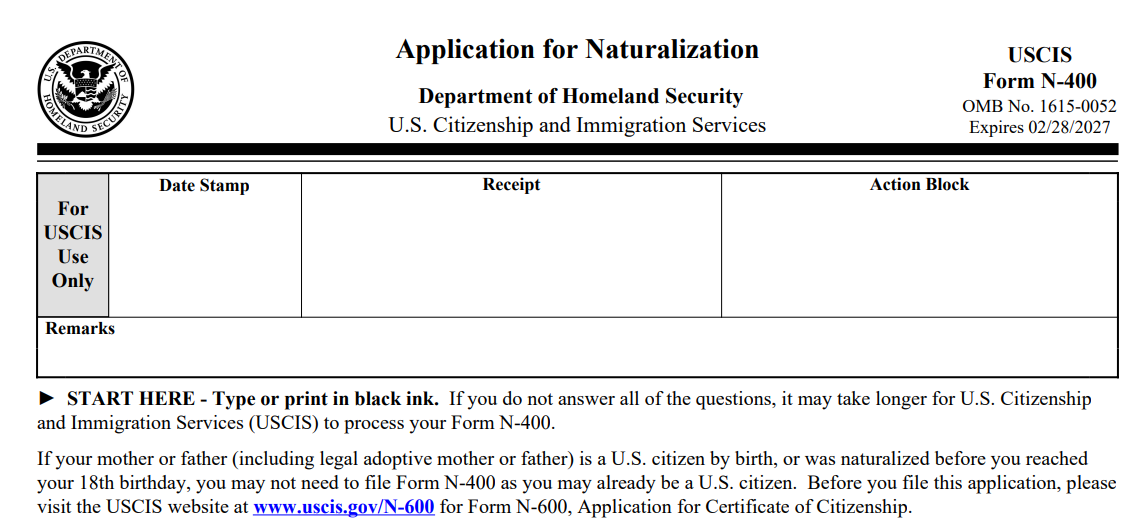
Naturalized citizenship is a significant milestone, allowing foreign nationals to gain the rights, responsibilities, and protections of U.S. citizens. This process involves fulfilling strict legal requirements, such as residency, demonstrating good moral character, and knowledge of U.S. history and government. Once granted, naturalized citizens are considered permanent residents, free to live and work in the U.S. indefinitely.
But can a U.S. citizen be deported?
Despite these rights, concerns about deportation occasionally surface. While naturalized citizens are generally safeguarded from deportation, the revocation of citizenship through denaturalization could lead to such outcomes.
Denaturalization is very rare, and the government has to meet a very high burden in order to obtain denaturalization. Almost always, an attempt by the government to denaturalize someone is based upon the government's claim that a new fact has been discovered, which, if known at the time of naturalization, would have prevented the alien from ever being naturalized. This means that the naturalized citizens used a false identity or perpetrated some other kind of fraud on the immigration service.
An attempt to denaturalize someone usually involves litigation brought by the U.S. government in federal court. The Department of Homeland Security takes the position that it can denaturalize someone in an administrative proceeding, but at least one court has held that the regulations that purport to allow DHS to denaturalize someone lack statutory authorization and are, therefore, void.
Once denaturalization proceedings are initiated, the case is brought before an immigration court. The burden of proof lies with the government, which must provide clear and convincing evidence that the individual obtained their United States citizenship through fraud or misrepresentation. The individual facing denaturalization has the right to present evidence and mount a defense against the allegations.
If the court finds in favor of the government, the individual's U.S. citizenship is revoked, and they are stripped of their rights as a naturalized citizen. This can have severe consequences, as it opens the door for potential deportation and separation from their families and communities.
Protect your family and your future—get trusted legal support for all your immigration concerns today!
HIRE DEPORTATION DEFENSE LAWYERS
When U.S. citizenship is revoked, the individual reverts to their prior immigration status, often as a lawful permanent resident. This citizenship status can make them vulnerable to deportation based on the original grounds.
The loss of citizenship also results in:
Losing citizenship means losing the protection it provides against deportation. As a lawful permanent resident, individuals are subject to deportation if they:
Without citizenship, individuals no longer enjoy the full protections of U.S. law.
Denaturalization can have devastating consequences for families.
Citizenship confers the right to vote, take part in democratic processes, and access benefits exclusive to U.S. citizens. The revocation can lead to:
Denaturalization can have lasting effects on an individual’s personal and professional life.
After losing citizenship, the individual may face hurdles in reapplying for immigration benefits:
Denaturalization doesn't just impact the individual—it reverberates through their families and communities. Families may face uncertainty, while communities lose contributors who were once active members.

A naturalized U.S. citizen can have their citizenship revoked for several reasons. Given the serious consequences of denaturalization and potential deportation, individuals facing these challenges often turn to immigration lawyers for assistance.
Our immigration lawyers can help individuals gather evidence to refute the government's allegations of fraud or willful misrepresentation. They can also argue that the government's evidence is insufficient or that the alleged fraud is not material to the decision to change immigration status from being a lawful permanent resident to a naturalized U.S. citizen.
Additionally, our immigration attorney can explore other avenues to protect their clients from deportation.
Naturalized citizens cannot be deported for a criminal conviction while they remain citizens. A crime may matter if the government claims the person committed or concealed conduct before naturalization that would have affected eligibility. If citizenship is revoked first, deportation may become possible.
Yes, citizenship can be revoked if the government proves fraud, willful misrepresentation, or illegal procurement of naturalization. The government must show more than an innocent mistake. It must prove that the false statement or concealed fact was material to the naturalization decision.
No. Denaturalization applies to people who became citizens through naturalization. A person who is a citizen by birth or through a qualifying citizen parent does not go through the naturalization process and cannot be denaturalized in the same way.
There is no simple ten-year rule that automatically protects every naturalized person from denaturalization. Some legal claims have time limits, while others may not work that way. The answer depends on the statute, facts, and type of case the government files.
Unintentional mistakes usually are not enough by themselves to revoke citizenship. The government normally must prove deliberate deceit, willful deception, illegal procurement, or willful misrepresentation of a material fact. Still, any accusation involving naturalization should be reviewed by an immigration lawyer.
Do not guess, argue, or sign documents without legal advice. Say that you are a U.S citizen, ask to speak with an immigration attorney, and gather proof of citizenship, permanent residence, lawful admission, and naturalization. Fast legal help can protect your constitutional rights and your due process rights.
A denaturalization case can threaten your citizenship, your family, and your future in this country. The law gives citizens powerful protections, but you need to act quickly if the government is asking questions, filing in federal court, or trying to revoke citizenship.
If you have questions about denaturalization or if someone is claiming that you or a loved one committed fraud in the immigration context or anything related to immigration law and citizenship and immigration services, you should consult with an experienced immigration lawyer. Please call us at (314) 961-8200 or visit our contact page.