In the past, the United States Citizenship and Immigration Services (USCIS) and some immigration attorneys believed that you could not become a naturalized citizen if you did not have a valid green card to bring with you to your naturalization interview. This is an error.
If you have the same issue and find yourself wondering, "Can I apply for citizenship with an expired green card?" don't worry – you may still be able to apply for citizenship. USCIS will allow someone with an expired or lost green card to naturalize and become a U.S. citizen.
In here, you’ll learn:
• The importance of the green card
• How to apply if a green card has been lost or expired
• Why seek professional assistance to renew your green card
So save yourself the time and expense associated with filing the I-90 to get a replacement green card. If you are eligible for naturalization, this issue will not derail your application. Ask our Green Card Replacement lawyers for more info.
Table of Contents
Some people might think that getting a green card is not essential. But it's not true.
A green card is also known as a Permanent Resident Card (PRC). It's a document that proves that you are a legal permanent resident of the United States. Most immigrants call it an alien registration card, Form I-551, or simply a "green card."
With a green card, you have all the rights and privileges of U.S. citizenship, with a few exceptions. Holders can travel inside and out of the United States without any problems. Besides that, they can also work and live in the United States permanently.
Getting a green card is not as complicated as some people think, and there are many different ways to get one. One of the easiest ways is through family sponsorship or employment-based immigration. But you can also get green cards through programs for refugees and asylum seekers.
So what if I lost my green card? That question is common for most immigrants.
A lost or stolen green card can be stressful. However, there are two steps to renew your green card and ensure your application is processed correctly.
U.S. Citizenship and Immigration Services handles processing naturalization applications. Before filing, make sure you fully understand the requirements for citizenship — meeting every condition upfront helps avoid delays.
The following are the temporary proof or requirements needed to file for citizenship:
If you reside in the United States, it is vital to keep your PRC up to date. The PRC is evidence of your lawful permanent resident status and allows you to live and work in the United States.
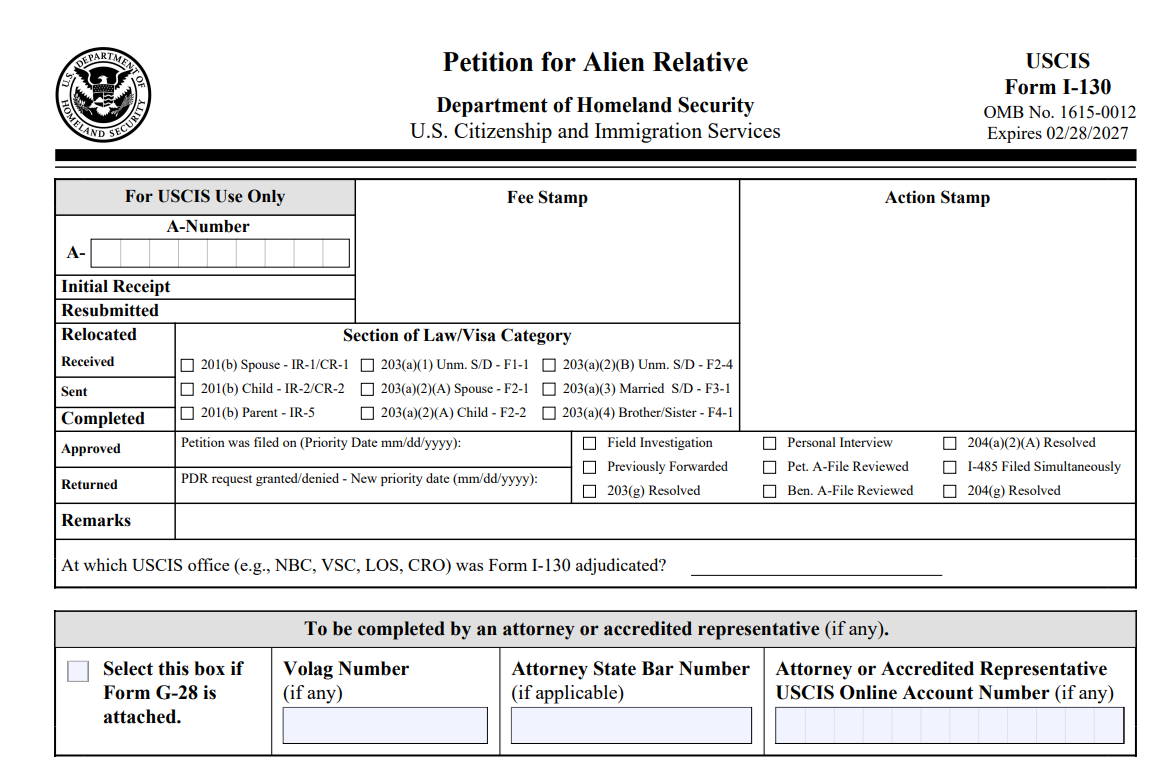
If your PRC is lost or stolen, or if it has been damaged, you will need to replace it by filing Form I-90 with the U.S. Citizenship and Immigration Services (USCIS). You can file the form for free, but some applicants have a filing fee.
Note: Paper applications are no longer accepted. If you want a more convenient option, filing online is an excellent way to go. Also, if you choose to replace your green card in person, you will need to schedule an appointment at a USCIS office. Plus, you need to bring proof of identity, such as a passport or driver's license.
In either case, you can then begin applying for citizenship. Once done, USCIS will review the application and make a decision. If the green card renewal is approved, the replacement card will be sent by mail.
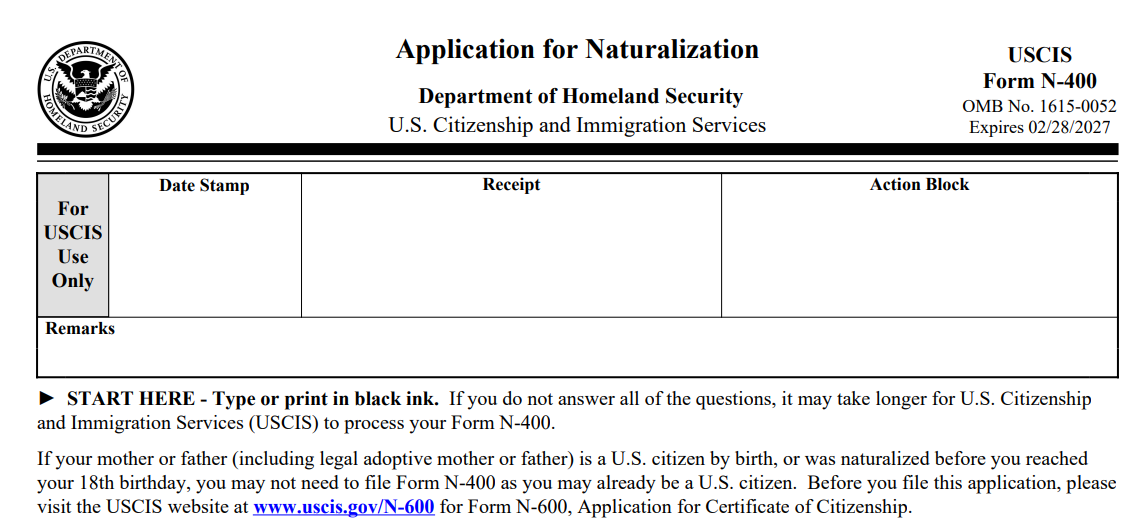
You may have searched “Can I apply for citizenship with an expired green card?” or other similar terms if you’re curious about it. But before you file Form N-400 and begin your naturalization process, understand these key points and steps if you need to apply for citizenship with an expired green card:
• Confirm your lawful permanent residence (LPR): Even if your green card has expired, your LPR status is still valid. The card only serves as proof of that.
• Replace the PRC: Get a new card by filling out the Form I-90 before applying for U.S. citizenship, or submit it with Form N-400 at the same time.
• Prepare supporting documents: Gather your marriage certificates, proof of residence, and tax transcripts, as they may be needed for the application.
• Submit more proof: USCIS may request additional evidence of your LPR or immigration status if your green card has already expired before your biometrics appointment. Comply with any requests to avoid delays.
• Meet the requirements: You must be qualified according to the standard eligibility criteria, including good moral character and continuous residence in the country. If you’re requesting a fee waiver, check the federal poverty guidelines and see if you qualify for it.
• Travel with caution: Think long and hard about traveling outside the U.S. while your green card is expired, as you can have issues with re-entering when you don’t have a valid LPR.
• Seek legal help: Hire an immigration lawyer to help you with any immigration matter and ensure your compliance with federal law.
For most people, getting a new green card is pretty straightforward. In other words, there are a few things that can impact the timeline.
Here are the different scenarios:
Ultimately, the best way to ensure a timely process is to work with an immigration attorney. A law firm can help you get the necessary documentation. Besides that, ensure that your application is complete and accurate.
If you’re heading toward U.S. citizenship, you need to learn how to manage your receipt notice and a conditional green card. These two can affect your citizenship application and interaction with immigration law.
A receipt notice is an official document handed by the USCIS to inform you that your immigration form has been received and accepted for processing. If you’re filing to replace the permanent resident card or remove some conditions from a green card, the agency will send a notice with the following:
Sometimes, you may be given an automatic extension of green card expiration for up to 24 or 36 months. The notice serves as valid evidence of your lawful status while USCIS processes your application.
If you’re a conditional permanent resident, your green card lasts only two years. This is due to your marriage to a permanent resident or a U.S. citizen and investor immigration.
Keep your lawful status and go through the naturalization process by:
Your citizenship application process gets derailed or delayed when you fail to file or maintain alien documentation in time.
Work with an immigration lawyer when:
If your green card expires and you don’t renew, you will lose your permanent resident status in the United States.
Losing your permanent resident status has serious consequences, such as:
Therefore, the risks associated with not renewing your green card are significant and should not be taken lightly. And this is also different from a conditional green card. So, the best way to avoid those pitfalls is to ensure that your green card is up to date.
If you're in a situation where your green card has expired or been lost, please do not hesitate to reach out for help. Gaining citizenship is a big step in your life. That's why you want to make sure everything goes as smoothly as possible.
An immigration attorney can help you determine your next steps if you have applied for naturalization. Our team of experienced lawyers is happy to answer any questions you have during the process.