Foreign nationals who remain in the U.S. beyond their authorized period accrue unlawful presence. Accumulating too much unlawful presence can trigger a bar that prevents reentry to the U.S. for three years, ten years, or permanently, as outlined in the Immigration and Nationality Act, INA 212(a)(9).
Before diving into the details, it's important to grasp how unlawful presence begins, when the bars apply, and what options, like the provisional unlawful presence waiver, exist to help you avoid immigration penalties.
It starts when:
• Your non-immigrant status expires on the exact expiration date in your I-94, unless you were admitted for ‘D/S,’ in which case unlawful presence begins only if USCIS or an immigration judge makes a formal determination.
• You violate your status with unauthorized employment, or an immigration judge or USCIS officer makes a formal determination that you are out of status.
• An immigration judge or immigration officer has made a formal finding that you are unlawfully present in the United States
• You came to the U.S. by unlawful entry without any inspection.
These situations may not accrue unlawful presence:
• A pending bona fide application for asylum.
• Being in Temporary Protected Status, Family Unity, or certain victim-based protections, like the Violence Against Women’s Act, for victims of extreme cruelty.
• Foreign nationals under 18.
• Certain immediate relatives applying for adjustment of status.
• Individuals using advance parole.
• Some applicants have a substantial connection to trafficking.
Under the INA 212(a)(9), the penalties can depend on the aggregate period of time spent present in the U.S. without authorization.
This applies if the person has more than 180 days but less than a year of unauthorized presence and leaves the U.S. This activates when the person seeks admission again at a consulate abroad.
This applies if the person accumulates a year or more of unauthorized presence and gets out of the country. This is the most common bar for individuals who remained in the U.S. despite losing visa status.
This applies to people who attempt to re-enter the country after accumulating more than a year of unlawful presence and then re-enter or attempt to re-enter without being admitted.
Leaving during the voluntary departure period avoids additional penalties, but the 3- or 10-year bar still applies if you’ve already accrued enough unlawful presence.
Getting a provisional unlawful presence waiver helps you overcome the unlawful presence bar before you leave the U.S. for consular processing.
You’re qualified for the waiver if you meet the following requirements:
• Be physically present in the U.S.
• The qualifying relative can be a U.S. citizen or permanent resident spouse or parent. Children aren’t included.
• Extreme hardship.
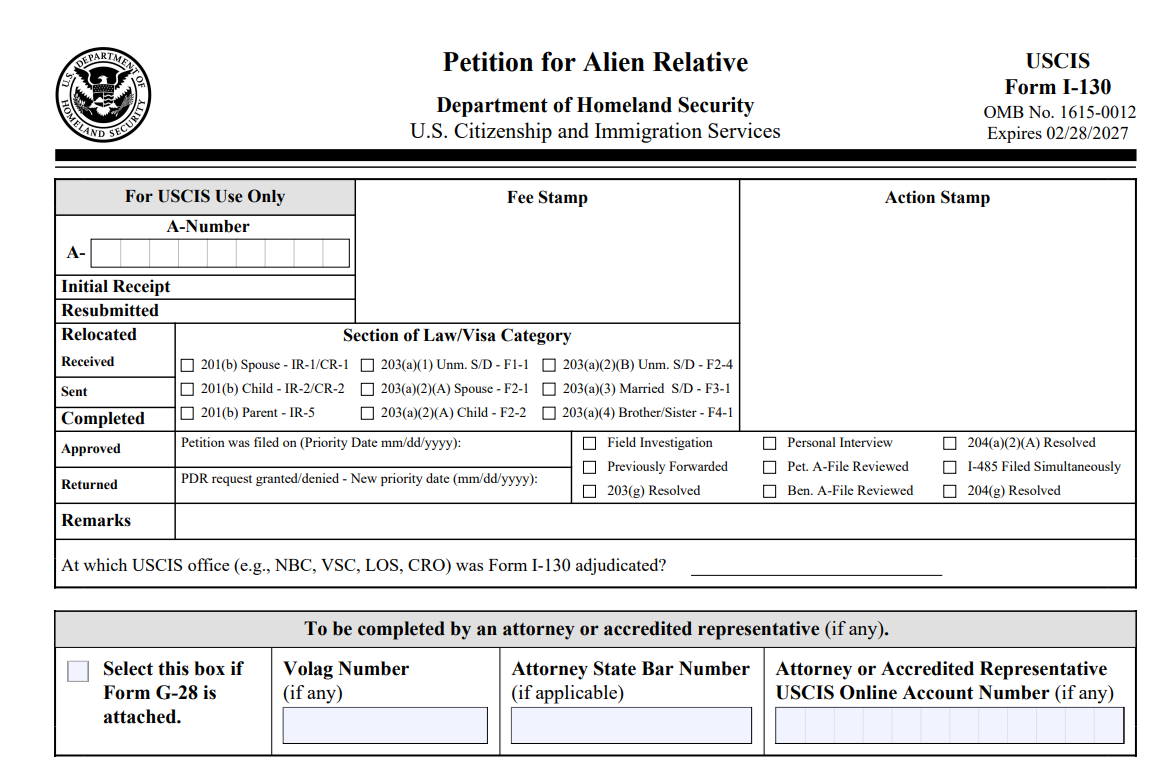
• Have a pending alien worker or alien relative petition with a valid receipt number.
The unlawful presence bar is among the most serious immigration penalties under the INA. Overstaying or unlawful entry can disrupt your family’s future and immigration opportunities.
Understanding how the unlawful presence bar works is crucial for protecting your path toward getting a legal status. Consult our lawyers at Hacking Immigration Law, LLC, to explore more options while remaining in the U.S.