As of 2026, the Form I-90 filing fee is $415 if you file online and $465 if you file by mail. Some green card replacement cases have a $0 filing fee, depending on the reason for the replacement. Always verify the current fee on the official USCIS website before filing Form I-90, since USCIS can change its fees and filing rules.
If you’re a lawful permanent resident (LPR) of the United States, you’re given a green card, also known as a permanent resident card. This legal document proves your eligibility to reside and work in the U.S. Usually, the green card is granted for ten years.
To renew or replace a green card, you must file the I-90 form, or "Application to Replace Permanent Resident Card." It's also necessary to apply for a new green card if your old one was stolen or lost. But, since USCIS implemented a recent change in the fee structure, everyone is questioning how much the form I-90 filing fee is now.
Key Takeaways:
Let a seasoned attorney fight for your rights.
Table of Contents
For anyone hoping to remain in the United States legitimately, immigration visas and green cards are necessary. Form I-90 serves as the primary method for lawful permanent residents to replace and renew their green cards.
Here’s an overview of filing form I-90.
If you’re a permanent resident and your green card expires or will expire within six months, you need to renew the card. Most individuals submit Form I-90 to renew their green card. But there are other reasons to replace a green card, including:
Form I-90 is important to maintain proof of lawful permanent resident status. This is essential for employment, travel, and proving eligibility for certain benefits.
If your green card lasts only two years, it requires a different process to become a permanent 10-year renewable. This process is called "removing the conditions" on your green card.
You must not use Form I-90 to renew your card if you are a conditional resident. Instead, you are required to file a petition to remove the conditions on your residence by using these two forms:
• Petition to Remove Conditions on Residence or Form I-751, if married to a U.S. citizen
• Petition by Entrepreneur or Form I-829 if you got your green card through an investment
 Photo from USCIS Website
People often use “replacement” and “renewal” interchangeably, but USCIS treats them differently.
A green card renewal usually means your 10-year green card has expired or is expiring. In this case, you are asking USCIS to issue a new card so you can continue proving your lawful permanent resident status.
A green card replacement is different. You may need a replacement if your card was lost, stolen, damaged, never received, or printed with incorrect information. You may also need a replacement if your legal name or biographic information has changed.
The filing fee may depend on the reason you are filing. For example, some cases involving USCIS errors or cards that were never received may not require the same fee as a standard renewal. Always check the current USCIS instructions and fee calculator before sending payment.
The cost of getting a green card depends on the type of application, the filing category, and whether you're applying from inside or outside the United States.
Some common green card costs:
If you're applying through a family sponsor while already in the U.S., the total government filing fee is:
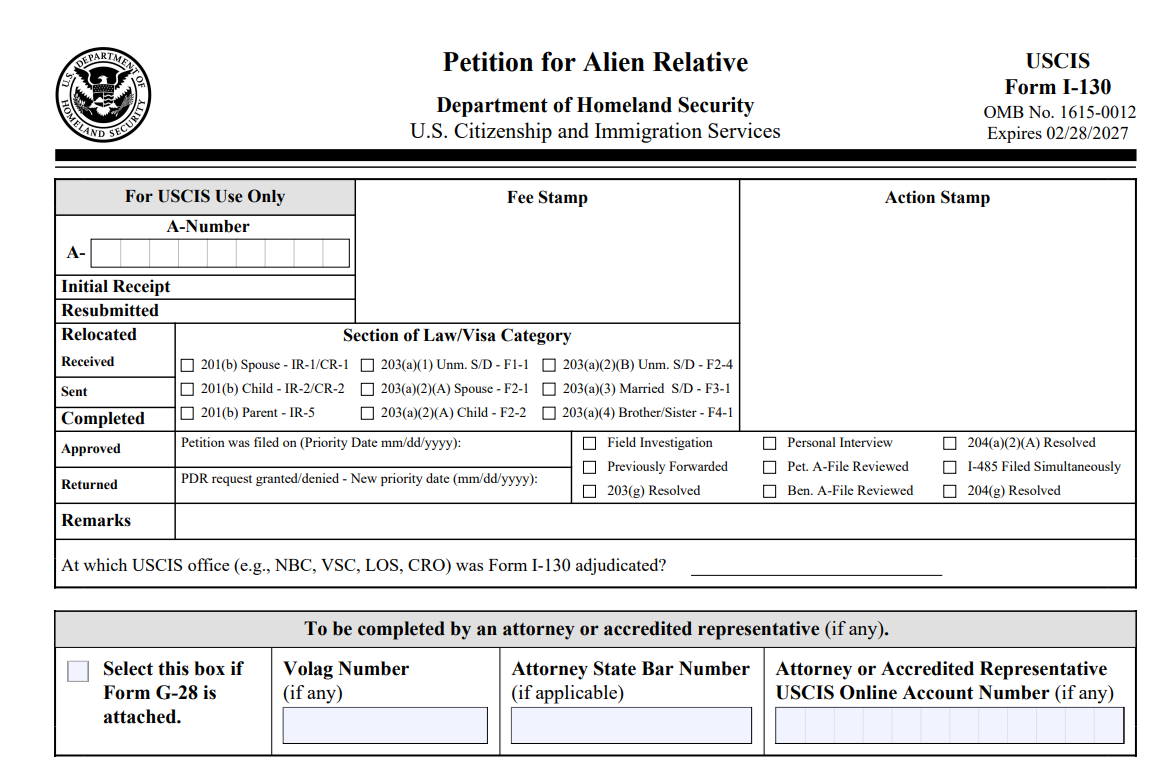
• $3,005 — includes Form I-130, Form I-485 (adjustment of status), biometrics, and other associated fees.
Note: This does not include the medical exam cost, which varies by provider (typically $100–$500).
If you're applying from abroad (consular processing), the total cost is generally around:
Form I-485 is a key part of the green card process for applicants already in the U.S. Here’s a breakdown based on the USCIS fee calculator and category:
| Filing Category | Standard I-485 Fee | If Filed With Immigration Court |
| General Applicants | $1,440 | $1,500 |
| Child under 14 (filing with parent) | $950 | $1,500 |
| Refugees or paroled as refugees | $0 | $1,500 |
| Applicants in removal/deportation | $0 | $1,500 |
| Special Immigrant Juvenile | $0 | $1,500 |
| U or T Visa holders (crime or trafficking victims) | $0 | $1,500 |
Now that you understand general green card costs, let’s focus on Form I-90 fees, which apply specifically to green card renewal or replacement.
In the past, the fee for filing Form I-90 was $455. Then, there’s an additional $85 biometrics fee, for a total cost of $540. But now, the filing fee structure for Form I-90 has been updated.
USCIS has announced that:

Previously, a separate biometric services fee of $85 was required. Under the new fee structure, this cost is integrated into the main filing fee. This eliminates the need for a separate charge in most cases.
Here’s a detailed breakdown of the fee adjustments:
| Filing Fee | With Biometric Services | Without Biometric Services |
| Online Filing Fees | The fee for online filings that require biometric services will be $465. | If biometric services are not needed, the online filing fee is reduced to $415. |
| Paper Filing Fees | The fee for paper filings will increase to $465. | The paper filing fee remains at $455. |
All new fees will apply to applications postmarked on or after April 1, 2024. You can find the updated fees on the USCIS website.
While the Form I-90 filing fee is a cost to consider in green card renewal, additional expenses may exist. These can include fees for obtaining necessary supporting documents and the costs of mailing your application.
It’s important to budget for these additional costs and consider them in your overall financial plan.
The biometric services fee, traditionally a separate charge, has been integrated into the main benefit fee for most cases.
USCIS changes mean that applicants no longer need to pay another fee for biometric services when filing for certain benefits. These include the green card renewal through Form I-90. This streamlines administrative processes and reduces the financial burden on applicants.
However, for specific filings, a biometrics fee of $30 will still be applicable even after the changes take effect. These include Temporary Protected Status (TPS) and Executive Office for Immigration Review (EOIR) cases.
The exception ensures that necessary biometric services continue to be funded for these particular types of immigration filings.
One wrong move could cost you everything. Let a pro handle it.
Hire a St Louis Immigration Attorney
There are no longer full fee waivers available for filing Form I-90, Application to Replace Permanent Resident Card, as of April 1. However, there is a fee reduction program you might be eligible for.
Fee waivers are available for individuals facing financial hardship, such as those with low income. To qualify, applicants must demonstrate an inability to pay the required fees.
Additionally, applicants seeking a fee waiver for the I-90 form must file Form I-912. This is specifically designed for those unable to afford the filing fees due to their financial situation.
Lastly, applicants must provide evidence of their financial status to support a fee waiver request. This includes income documentation, financial support, and any means-tested benefits they receive.
A fee reduction is available for applicants whose total annual household income falls between 150% and 200% of the federal poverty guidelines. However, not all forms are eligible for this reduction.
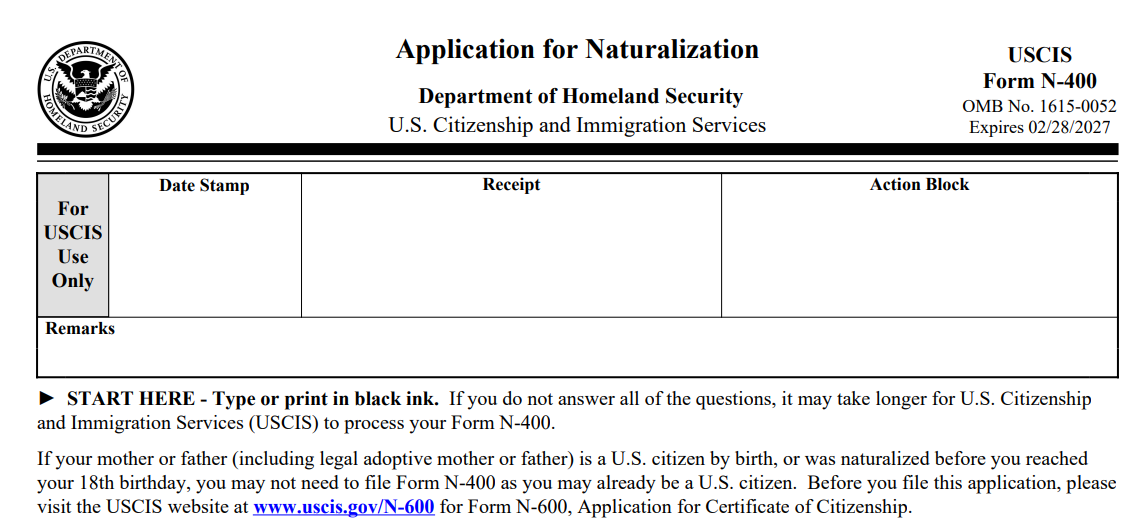
While the I-90 form itself does not qualify for a fee reduction, Form N-400, the Application for Naturalization, does. Approved applicants for Form N-400 pay a reduced fee of $320, plus the full $85 biometric fee, unless exempt.
Moreover, applicants are exempt from paying the I-90 filing fee if they have yet to receive their green card. And also if their card contains incorrect details due to DHS or Department of Homeland Security error.
When filing Form I-90, you have the option to pay the filing fee in one of these three options.
For payments via check or money order, ensure they are made out to the "U.S. Department of Homeland Security." If you prefer to use a credit card, you can fill out Form G-1450 or Authorization for Credit Card Transactions. Then, include it with your application.
Remember to include the correct filing fee amount with your application. Failure to submit the right fee may result in a delay or rejection of your application.
To calculate your cost, use the USCIS Fee calculator.
On the USCIS website, you may always get a copy of Form I-90. The I-90 application is updated periodically by USCIS.
Here are steps to consider:
The typical processing time for Form I-90 applications ranges from 4 to 12 months. However, it also depends on individual cases and the workload of the USCIS.
Make sure the edition you're using is one that USCIS will approve. It’s best to submit a typewritten application even if you can manually fill out your Form I-90 with black ink. Error prevention and possible speed increase are achieved by doing this.
USCIS does not process an I-90 with the wrong fee attached. The application is rejected at intake, not flagged for correction later.
Here's what that means in practice:
Checking the current fee on the USCIS Fee Calculator and confirming you have the current form edition before mailing avoids nearly all of this.
Most I-90 delays trace back to a handful of avoidable errors.
Reviewing every field against your supporting documents before mailing catches most of these.
To ensure a smooth and successful Form I-90 application process, consider the following tips:
Considering professional assistance from an immigration expert or attorney can provide valuable insights. Hacking Immigration Law, LLC helps with the Form I-90 process or any concerns regarding fee changes.
An attorney is worth involving when any of the following apply:
An attorney can review your situation, confirm the correct filing path, prepare the form, organize supporting documents, and help avoid mistakes that could delay your case.
Hacking Immigration Law, LLC helps lawful permanent residents understand their options and file the correct immigration forms. If you are not sure whether you need a renewal, replacement, or a different filing altogether, speak with a green card lawyer before submitting your application.
The current I-90 filing fee is $415 if you file online through your USCIS account, or $465 if you file the paper version by mail.
No. The I-90 form fee covers only the renewal or replacement of an existing green card. It's separate from the family-based green card fees covered above, which can run into the thousands once Form I-130 and Form I-485 are added in.
If your 10-year card is expiring, the green card renewal fee is the same $415 online or $465 paper amount that applies to any I-90 filing. USCIS doesn't charge extra for
Some applicants may qualify for a waiver if they can show financial hardship or meet USCIS eligibility rules. To request a waiver, you generally need to submit Form I-912 with supporting proof. If the fee waiver is denied, USCIS may reject the I-90 until the correct payment is submitted.
Yes. Speak with an immigration lawyer if your green card expired a long time ago, you have criminal issues, you were outside the U.S. for extended periods, your card has incorrect information, or you are unsure whether renewal is the right step.
The I-90 attorney fee depends on the complexity of the case. A simple green card renewal may cost less than a case involving criminal history, long absences from the United States, prior immigration problems, or errors in government records. Speaking with a lawyer can help you determine whether your case is routine or requires legal help.
An attorney is worth involving when any of the following apply:
An attorney can review your situation, confirm the correct filing path, prepare the form, organize supporting documents, and help avoid mistakes that could delay your case.
Hacking Immigration Law, LLC helps lawful permanent residents understand their options and file the correct immigration forms. If you are not sure whether you need a renewal, replacement, or a different filing altogether, speak with a green card lawyer before submitting your application.
The current I-90 filing fee is $415 if you file online through your USCIS account, or $465 if you file the paper version by mail.
No. The I-90 form fee covers only the renewal or replacement of an existing green card. It's separate from the family-based green card fees covered above, which can run into the thousands once Form I-130 and Form I-485 are added in.
If your 10-year card is expiring, the green card renewal fee is the same $415 online or $465 paper amount that applies to any I-90 filing. USCIS doesn't charge extra for
Some applicants may qualify for a waiver if they can show financial hardship or meet USCIS eligibility rules. To request a waiver, you generally need to submit Form I-912 with supporting proof. If the fee waiver is denied, USCIS may reject the I-90 until the correct payment is submitted.
Yes. Speak with an immigration lawyer if your green card expired a long time ago, you have criminal issues, you were outside the U.S. for extended periods, your card has incorrect information, or you are unsure whether renewal is the right step.
The I-90 attorney fee depends on the complexity of the case. A simple green card renewal may cost less than a case involving criminal history, long absences from the United States, prior immigration problems, or errors in government records. Speaking with a lawyer can help you determine whether your case is routine or requires legal help.
When renewing or replacing your green card using Form I-90, it's important to understand the different filing fees involved. USCIS (U.S. Citizenship and Immigration Services) has established separate fees.
Stay informed about any updates to the filing fee by regularly checking the USCIS website. Additionally, follow the tips provided to increase your chances of updating your green card status.
For individuals who love to come and stay in the U.S., understanding these processes is important. It’s best to contact an immigration attorney if you love to be a green card holder. Our knowledgeable green card lawyer can assist you with the asylum procedure.
Hacking Immigration Law, LLC works hard to unite families, protect your rights, and make this process less stressful.