The only time USCIS sends the fraud unit to people's homes is to check whether the marriage is legitimate. After the visit, they’ll review the immigration officer's report to see if there are fraudulent activities or violations that require further investigation.
Is USCIS coming to your house?
Hi, I'm Jim Hacking, an immigration lawyer practicing law throughout the United States at our offices in St. Louis, Missouri, San Diego, California, and Washington, DC.
You might be wondering if USCIS is going to come visit your house. Now we're talking about marriage-based cases. That's really the only time that we've seen that USCIS sends out the fraud unit to people's homes to check to see whether the marriage is legitimate. And I was wondering, what are the signs that USCIS is looking for, or what are the things that they look for when they think about sending out the fraud unit to your house? I think one is where the beneficiary was out of status at the time that they got married.
So if the beneficiary has been in the United States, usually on a visit visa and they are either up against the deadline to leave at that six-month mark or if they have overstayed the visa and they have now suddenly gotten married and applied for an immediate green card. That's one of the situations where USCIS might suspect that the couple of lives apart or that the marriage isn't legit. So they want to send out that fraud unit.
Another instance is when the couple submits very little marital evidence. So the officer, either before or after the interview, feels like this case has not been properly documented, that they have not gone ahead and submitted all the kinds of evidence that we, as immigration lawyers, submit on our client's behalf. You want to overwhelm them with evidence. You want to send them so much evidence that they don't even think about coming to your house for an interview.
Ready to take the first step toward your dream life in the U.S.? Book a call with our expert immigration attorneys today!
Table of Contents
I think another good sign that your case might be subject to a site visit is if the couple is separated during what's called a Stokes interview. So if you have a Stokes interview, that's where the U.S. citizen or the green card holder who are the petitioner and the beneficiary are separated at the interview.
Just because you're separated doesn't mean you'll have a site visit, but the fact that you've had one of those is usually a good indication that you might have a site visit. So if you've been separated in your interview, you might very well be scheduled for a site visit by the fraud unit.
Now, the fraud unit consists of usually independent officers who don't interact every day like conventional officers. They don't conduct interviews; they go out and investigate.
When they come to your house, they usually come early in the morning. The reason for that is that they want to be able to tell if the couple is living together as spouses, as married couples usually do. So if you've had any kind of funny business with your address, then you're also going to be subjecting yourself to a possible site visit.
So if you've been using someone else's address, if you've moved and not updated your address, if you've listed two different addresses for the couple, that is that the couple is at different addresses, all of these things might trigger a site visit. Now, as I mentioned, these site visits usually happen early in the morning. They come and knock in, knock, knock, knock on your door, and they want to make sure that everybody is sleeping in the same bed. That they're all there at the house.
Sometimes, one of the members of the couple are at work. They might call that person and ask them to come back to the house, or they might interview them over the phone. So you really have to be ready for anything. There are lots of things that can happen at the interview. They might go through the house if you let them. They're going to want to see where you sleep, where you eat, where you go to the bathroom, where all the toiletries that you have.
They want to make sure that you're living together as husband and wife. I was reading a denial yesterday where there were only women's clothes in the apartment and the U.S. citizen tried to claim that her six-foot-tall husband was wearing these little petite pants, that these were his pants. It didn't make any sense. So a lot of bad things can happen when the fraud unit comes out.
Now, a lot of times, they're just clearing out questions that they have and they end up approving the case. But more often, they're out for blood. They're looking for a denial, and they might come knocking on your door for that reason.
So if an officer comes, do the following:
•Obviously, ask to see their badges.
•Write down their names and numbers.
•Write down whatever questions they have, and whatever answers you give.
I would keep a little notepad and write down everything that happens. As soon as they're gone, I'd want you to write down everything that happened while it's fresh in your recollection. But I think the act of writing it down while they're there actually makes them behave a little bit better.
You're free to not let them in your house, but you're also free to lose your case. So I think that you really need to think through, if you're not engaged in criminal activity, then you probably want to let them come in, show them around.
Facing immigration challenges? Let us guide you through the process with confidence—book a call now and get personalized legal advice.
And, of course, I don't get that worked up thinking about my clients and trying to protect them from a site visit because if your marriage is not legitimate, I don't want to be any part of that. I don't want your case to be approved either, because if you're filing a fake marriage, you're the kind of person that's making life hard for all immigrants.
I would recommend that if officers show up at your house and ask questions, you answer them truthfully and honestly. You should show them your ID, and who you are, and walk them through your living room and the rest of your house. You want to show them that this is a real marriage, that we live together as spouses do.
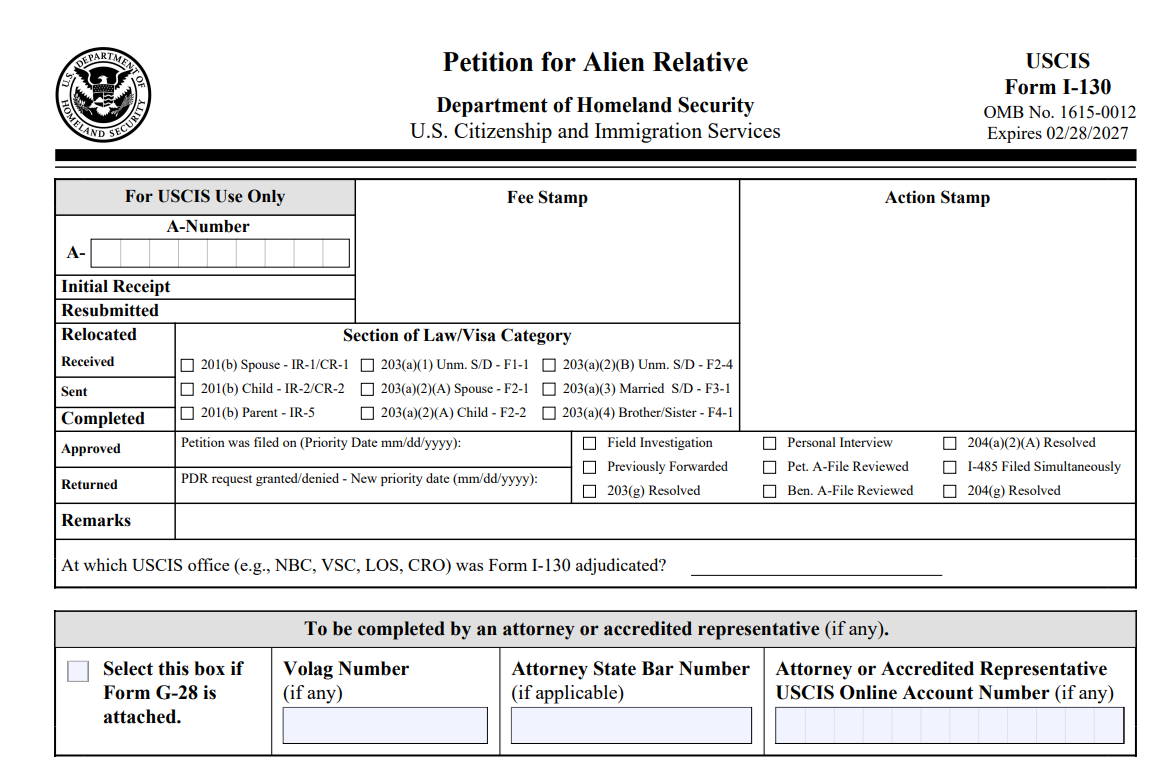
I might say husband and wife, or husband and husband, or wife and wife, whatever it is. You want to demonstrate that this is a real marriage, and that's the whole point because we want to get the I-130 approved. If we get the I-130 approved, the green card case itself will hopefully be approved. So site visits are stressful, and we've been seeing more and more of these. We've been seeing greater detail placed by the fraud investigators in the reports and in the denials that we've been seeing. So it's a serious matter.
This is a summary of what takes place after immigration officers of the United States Citizenship and Immigration Services visit your home:
•This visit is part of the administrative site visit process.
•The immigration officer’s Compliance Review Report summarizes their observations.
•USCIS will review the report of the immigration officer to see if there are fraudulent activities or violations.
•If there are hints of fraud or noncompliance, USCIS may dig deeper into the report. The case may be sent to the U.S. Immigration and Customs Enforcement if it needs a more thorough investigation.
You also need to remember that immigration officers conducting home visits don’t decide on immigration benefits. They’re part of the immigration process. Ask an experienced immigration attorney about this matter.
If you have questions about a site visit that happened at your house or if you're worried that you might get a visit from the fraud unit, you should give us a call at (314) 961-8200. You can email us at [email protected]. Be sure to join us on our Facebook group called Immigrant Home. We'd love to have you in there. We have over 5,000 members there, and people ask immigration questions every day.
We also have our YouTube channel, which you should subscribe to. I think we're up to almost 900 videos. We have our YouTube live show on Tuesdays and Thursdays at noon central time. We'd love to see you there. Thanks a lot, and have a great day!