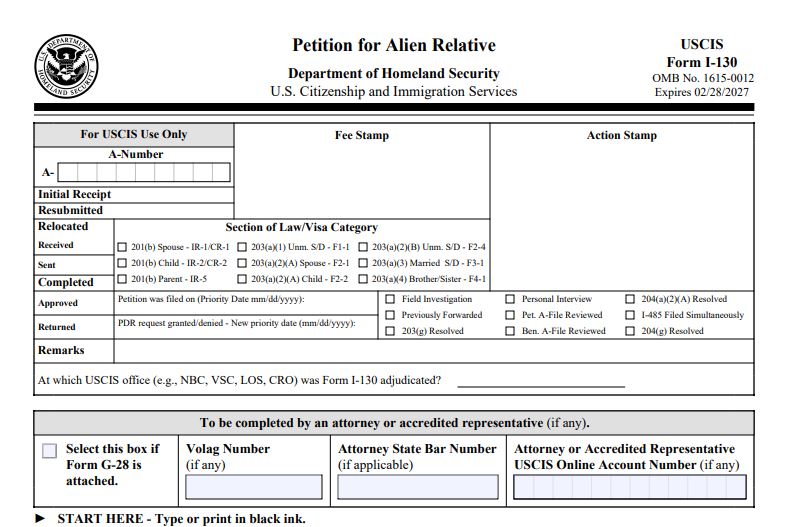
Speeding up your I-130 process and appealing a denial requires strategic steps and expert guidance. Discover how to expedite the process and appeal a denial with professional legal assistance.
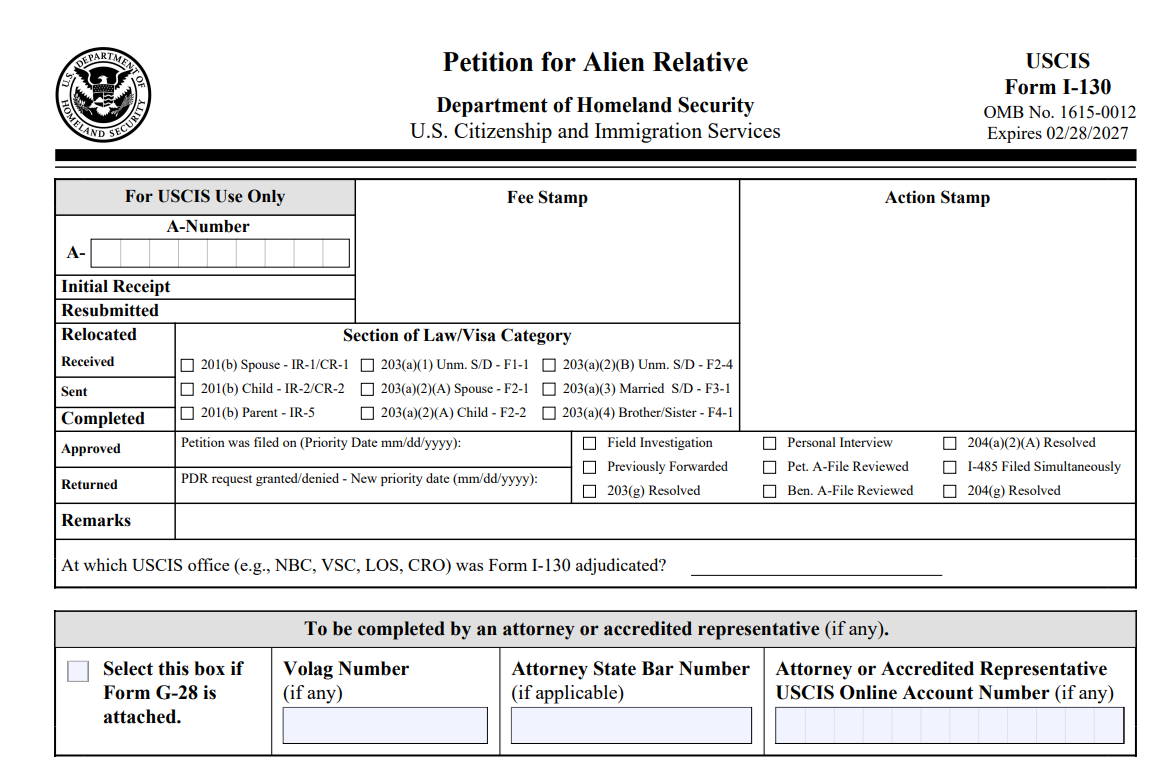
Speeding up the Form I-130 process can be a crucial step for an immigrant or lawful permanent resident seeking to bring their relatives to the United States. By understanding the I-130 procedure and tracking your case's progress, you can increase your chances of a speedy approval.
Key Takeaways:
• Form I-130 is filed when you want to bring a relative to the United States. It’s part of the family-based immigration process.
• If you want to speed up the process, you must meet the USCIS “expedite” criteria for Form I-130, including urgent situations and humanitarian conditions.
• Paying extra for processing expedite requests can help USCIS make a fast decision in 15 days.
Navigating immigration laws can be complicated – let our experienced lawyers guide you every step of the way.
Table of Contents
The I-130 is a petition for a foreign national relative to immigrate to the United States. It's the first step in getting family-based immigrant visas.
The I-130 process is like a rollercoaster ride, but it requires more paperwork. Don’t get stuck in line—file your petition on time to avoid delays and increase your chances of success.
Here are some things you need to consider:
Ensure all the needed documents are in order when lodging an I-130 request to avoid any possible hiccups. It’s like packing for a trip - forgetting something important can ruin your plans. Double-check everything before submitting to prevent unnecessary delays.
Your case will be processed at one of several USCIS Service Centers. Each location has its own processing times. So, knowing where your file is being handled can give you an idea of potential timelines.
Understanding how long the I-130 is processed is an important step if you’re petitioning a family member. Processing times can take from a few months to years, depending on these various factors tied to your case:
• The family relationship between the petitioner and the alien relative (spouse, siblings, parent, or unmarried children).
• Whether the beneficiary is an immediate relative or in a preference category.
• If you’re pursuing consular processing abroad or filing to adjust status in the U.S.
• If concurrent filing of the I-130 and I-485 is available for your case.
• The volume of petitions that the USCIS field office or service center is currently dealing with.
• For employment-based green card seekers, the PERM processing time at the Department of Labor adds another layer to the overall timeline before the I-130 even becomes relevant.
If your eligible relative is qualified as an immediate relative of a U.S. citizen, there’s no need to wait for an immigrant visa number. Your case can move forward faster once your I-130 is approved.
Other family members and green card holders must wait for an immigrant visa number to become available. The visa bulletin can add years to the I-130 timeline.
After the I-130 is approved, your relative can follow these paths depending on their location and immigration status:
• Consular processing: This is used when the beneficiary resides outside the U.S. Once the petition is approved, it’s forwarded to the National Visa Center (NVC), which collects the birth certificate, financial records, and civil documents before the visa interview at a U.S. consulate abroad.
• Adjust status: Beneficiaries already in the U.S. can apply for a green card without leaving the country. Concurrent filing of the I-130 and I-485 can shorten the overall timeline, though the I-485 processing time still adds several months to the process.
Get Immigration Help and Resources
Don’t have time to check the USCIS website to process your I-130 petition? No problem. Expedited processing is available for a fee.
Submit Form I-907 with your initial application or after filing.
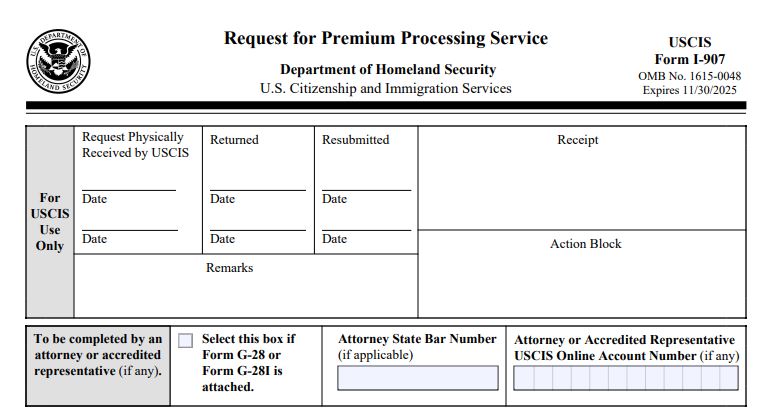
Make sure to provide a good reason why USCIS should prioritize your case and get your I-130 expedite approval. Examples include severe financial loss, urgent humanitarian reasons, or other urgent circumstances.
Expedited service can cost up to $2500, depending on the type of petition filed. But keep in mind that paying for this service doesn't guarantee approval. It only ensures a quicker decision within 15 calendar days.
You may also be able to request accelerated processing if you are appealing a denied application. Follow similar steps as mentioned above while submitting Form I-290B Notice of Appeal or Motion. But remember, requesting expeditions for immigration appeals doesn’t assure a positive outcome. It simply expedites the review process.
Remember, each immigration case is unique. So before obtaining a receipt notice, seeking advice from professionals such as those at Hacking Immigration Law, LLC could prove beneficial in navigating the complex landscape of US immigration laws and regulations effectively and efficiently.
Immigration cases can be a real headache. But did you know that seeking help from political figures could potentially speed up your case? Yes, you heard it right.
Congressmen can intervene on behalf of applicants by making inquiries about specific cases with USCIS. This is done through a Congressional Liaison Office, which works closely with members of Congress to address constituent concerns regarding pending applications.
The Citizenship and Immigration Services Ombudsman (CIS) office provides impartial oversight over USCIS operations, policies, and procedures. Facing delays or issues with your application that haven’t been resolved through regular channels is overwhelming. That’s why consider submitting a request for assistance from the CIS Ombudsman’s office.
They will review your case independently. Plus, they may recommend action if they find evidence supporting USCIS expedited request processing due to undue delay or other factors impacting fairness or efficiency.
Remember, leveraging political assistance doesn’t guarantee faster approval. But it ensures fair treatment throughout the application process. If your immigration process is at a standstill, enlisting the assistance of political figures could be beneficial.
Is your I-130 application taking forever? It’s time to take action. Consider a Writ of Mandamus, a court order that forces USCIS to make a decision on your pending matter. No guarantees, but at least you’ll get some movement.
A Writ of Mandamus is a court-ordered directive requiring an administrative body to perform its assigned duties. It won’t guarantee a favorable outcome, but it will force USCIS to make a decision.
Before filing for a Writ of Mandamus, make sure you’ve exhausted all other options. This approach is complex and requires substantial evidence of unreasonable delays from USCIS. You’ll need to show how the delay has caused significant hardship, emotionally, financially, or otherwise.
Don’t go it alone. For a successful resolution to your immigration issues, consider enlisting the services of an experienced lawyer who can provide expert guidance and ensure all necessary steps are taken. Hacking Immigration Law, LLC specializes in helping clients navigate complex US laws and regulations, including filing for Writs Of Mandamus when needed.
Our team of skilled specialists comprehends the intricacies of each special circumstance and will devise the best strategy based on singular conditions and objectives. We commit to providing guidance and support throughout the process to ensure a smooth transition toward achieving the American dream.
Get expert advice and up-to-date immigration tips—click here to stay informed!
Life is unpredictable. Sometimes, things change and affect your I-130 application process. But don’t worry. You may qualify for a quicker decision through an expedited case request.
The USCIS recognizes specific scenarios where an applicant might be eligible to have their case expedited. These include:
• Critical cases involving severe financial loss to the company or individual;
• Emergency situations;
• Humanitarian reasons;
• A clear USCIS error.
Please note that not all changing circumstances will qualify for this type of request. For instance, if you’re just moving from one state to another, it’s unlikely USCIS would consider these grounds for some expedite requests. Others include threatening national security interests as a reason to qualify.
If you believe your situation qualifies, provide supporting documentation when submitting an expedite request. This could be anything from medical records to letters of termination.
Even if you have all the right paperwork and submit it on time, USCIS may not grant your expedited request. The decision lies solely with them based on their assessment of each unique circumstance.
In complex matters, including government interests, where nuances matter greatly, having professional guidance becomes crucial. An experienced immigration attorney can navigate these waters by providing tailored advice. They'll ensure every detail gets addressed, increasing the chances of a successful outcome.
Getting a US visa for your family can be a daunting task, but providing the right evidence can make all the difference. Don’t worry; we’ve got you covered with some tips:
Ensure you possess the necessary paperwork to demonstrate your adoption of a minor before they reach 16 years old. USCIS requires copies showing that the adoption took place before the child turned 16.
Check out USCIS’s guidance for more information.
If your relative's circumstances change, you may need to upgrade their visa classification. Notify USCIS promptly and provide supporting documentation, like marriage certificates.
Immigration law can be a maze, but an experienced attorney from Hacking Immigration Law, LLC can help you navigate it effectively.
• Tailored advice. Every immigrant’s circumstances are different. A skilled lawyer takes these differences into account when advising clients about their best course of action.
• Navigating complex laws. Understanding U.S. immigration laws requires specialized knowledge that most people don’t have. Your attorney’s expertise here becomes invaluable.
• Filing accurate applications. Paperwork mistakes can cause significant delays or even denials. Lawyers ensure applications are filled out accurately to avoid such issues.
• Constant monitoring: Immigration lawyers always track processing times and respond quickly to Requests for Evidence. They can also prepare you for the less common but stressful scenario where your I-130 is still pending after green card interview — knowing what to expect and what to bring can make a real difference at that appointment.
• Work with other agencies: Your lawyer can coordinate with the NVC during consular processing to ensure your case is moving.
Hiring an attorney might seem like an additional burden on top of the filing fee and expedited service cost during an already costly process. However, consider it as an investment toward securing a positive outcome for your case faster than going it alone would allow.
At Hacking Immigration Law, LLC, we specialize in helping clients achieve their goals amidst changing circumstances during the application process. We understand how critical time is in achieving desired results. Hence, we strive to deliver the best possible service our clients need most. We can also educate you on your immigration benefits and even represent you in immigration courts.
Join us for live solutions to your immigration questions—click here to be part of the conversation!
Immigration Answers Show - JOIN US
To get your I-130 approved faster, submit an accurate and complete application with all necessary supporting documents. Additionally, if you qualify, consider requesting expedited processing.
You can't expedite processing for an EAD or Employment Authorization Document. However, expedited processing may be granted for reasons such as severe financial loss, emergency situations, and humanitarian reasons. It also includes the nonprofit status of the requesting organization, which furthers the social interests and culture of the United States.
A strong expedited request should be clear, concise, and comprehensive. Thus, providing evidence to support your claim to request expedited processing.
Contact the USCIS contact center to check the status of your application.
The processing time for I-130 approval varies but typically ranges from 6 months to a year. This depends on the USCIS office's workload and the specific circumstances of each case.
Speeding up the I-130 process for US immigrants is a must. So submit on time and provide all necessary documents. USCIS also offers expedited or benefit request options, but they come with a cost. The receipt number is also crucial for tracking your case's status, as processing times vary depending on the service center.
By understanding your options and taking the steps, you can increase your chances of speedy approval.
Asking for help with your immigration case? Seek guidance from an experienced immigration lawyer. Choose one that can provide you with valuable advice on how to speed up the I-130 process.