The process of filling out an I-485 application is known to be long and complicated, and the time it takes to process can vary greatly depending on a number of factors. If you want to speed up the process, understanding these factors and following a few tips can make all the difference.
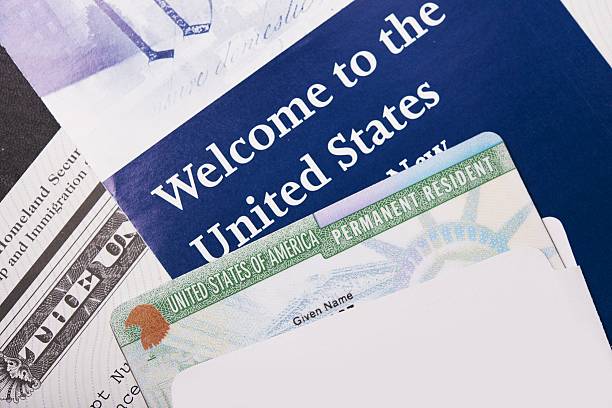
Getting a green card or legal permanent residency in the United States can take a lot of work. The I-485 application is an important part of this process which allows people with nonimmigrant status to apply for adjustment of status and permanent residence without leaving the U.S.
Whether you're trying to get an employment-based green card or change your nonimmigrant status, knowing the I-485 processing time and taking steps to speed it up can help you reach your goal of getting permanent residency in the U.S.
Key Takeaways:
• The workload of the United States Citizenship and Immigration Services (USCIS), background checks, and the filing method can affect the processing time of I-485.
• Consider expedited processing for urgent situations.
• Prepare all the important documents, regardless of your case, before submitting your I-485 application.
Streamline your I-485 process with expert assistance.
Table of Contents
The USCIS requires applicants to submit all necessary documentation to adjust status successfully and prevent delays. You have to understand the eligibility criteria, whether you’re a principal applicant, an immediate relative, or changing from a nonimmigrant visa, to align your expected green card timeline with the normal processing time at your specific USCIS office.
Prepare all these required supporting documents and follow these tips before you file Form I-485:
• Check the current visa bulletin for your priority date.
• Verify your lawful status and gather proof that you’re physically present in the U.S.
• Submit a valid birth certificate with translation.
• Provide any piece of evidence of your relationship to the alien relative sponsor.
• Attach a medical exam report confirming zero health-related grounds for inadmissibility.
• Include proof of filing fee payment.
• Submit a copy of your nonimmigrant visa and entry documents, such as Form I-94.
• Check the USCIS website for any changes in the eligibility requirements.
• Seek dedicated legal representation from an experienced immigration lawyer to prevent mistakes.
Accurate documentation from the start gives you a higher chance of getting USCIS approval without requests for additional evidence or unnecessary delays.
If you are applying for an adjustment of status, you may be wondering how long the process will take. Processing times vary from one service center to another and can depend on the specific USCIS office handling your application. Several other things can change how long it takes to process an I-485 application.
Here are some of the things that affect the processing time:
• Method of Filing: How you file can affect how long it takes to process. If you send in your application online instead of by mail, it may be processed faster.
• USCIS Workload: How many applications USCIS has to deal with can affect processing times. When there is much work to do, processing times can get longer.
• Background checks: The USCIS does background checks on everyone who applies, which can take a while. If there are problems with your background check, it can take even longer for your application to be processed.
• Request for Evidence (RFE): The USCIS will send you an RFE if they need more information and supporting documents from you to finish your application. If you give the requested evidence on time, this can speed up the process.
• Visa Availability: For family-based immigration and employment-based petitions, visa availability based on your priority date and country of birth plays a major role in how long you wait. Check the visa bulletin monthly for updates.
Understanding the different steps of the I-485 processing time can help applicants plan and estimate how long it may take to get their green card. The median processing time published by USCIS based on recently completed cases can give you a general idea of the normal range for your category, though individual timelines may vary significantly.
Here are three essential things you should know:
Applicants will get a notice that their I-485 form has been received and is being processed. This notice includes your receipt number, the receipt date, and information about what will happen next in the process. Keep this receipt number safe because you'll need it to check your USCIS case status online and for any future correspondence.
The USCIS will schedule a biometrics appointment for the applicant to give fingerprints, photos, and signatures. This appointment is very important for a security check and ensuring the applicant is who they say they are.
The applicant may be asked to come in for an interview so that the USCIS can figure out if they are eligible for a green card. The interview is usually done by an officer, who can ask about the applicant's work history, criminal record, and other personal details.
Family-based adjustment cases almost always require an interview, whereas some employment-based green card applications may have the interview waived.
The applicant will get a decision notice after the USCIS looks at the application and conducts any necessary interviews. If approved, the applicant will get a document granting them to register permanent residence, allowing them to work and have legal status as a permanent resident, which gives them the right to live and work in the U.S. as a green card holder.
To speed up the time it takes to process the I-485, applicants should ensure they have all the paperwork and information they need and go to all their scheduled appointments and interviews.
Unlock the secrets to speeding up your I-485 process.
More Immigration Tips and Resources
It's important to know the processing time if you want to apply for a green card or other immigration benefits. If you know how long it takes for USCIS to process your application, you can plan your next steps and set realistic goals.
The USCIS Processing Time Calculator is one of the easiest ways to understand how long it will take to process your application. This tool lets you enter your USCIS receipt number and determine how long your case will likely take to process. Remember that this tool only gives an estimate, and that processing times can vary.
USCIS also publishes reports on processing timelines for different applications, such as an employment authorization document, an application to become a lawful permanent resident, an immigrant petition, and more. These reports show how long it took to handle recent cases on average, which can help applicants understand whether their case falls within the normal range or is outside of it. If your case falls outside regular processing times, you may have grounds to contact USCIS or reach out to your congressional representative for assistance.
If you have questions about your case or need help, USCIS gives you a number of ways to get in touch. You can call the USCIS Contact Center, use the USCIS online chat, or set up an appointment at a local USCIS field office. When you call USCIS, have your receipt number and any other important information ready.
Using Form I-485, you can apply for a green card if you have been given refugee status. In this case, when you send in your application, you should follow the specific instructions and requirements for refugees.

Unfortunately, the time it takes to process an I-485 form depends on many things, like the type of visa, the country of origin, and how busy the USCIS is. But there are ways to speed up the immigration process and get your green card quicker.
Filing your I-485 concurrently with your I-130 (if eligible) can save months. Some applicants then find themselves in an I-485 approved but I-130 pending situation — which is a known outcome of concurrent filing and generally resolves without issue. But there are ways to speed up the immigration process and get your green card quicker.
For an extra fee, USCIS guarantees that certain employment-based green cards will be processed in 15 days. This can make the process go faster and give you peace of mind.
This is a face-to-face meeting with a USCIS officer, and it can be helpful to find out what's going on with your application and ask questions.
Infopass appointments have been replaced by a new online tool that allows an individual, experienced immigration attorney, and accredited representative to request in-person appointments with USCIS field offices. This system streamlines appointment scheduling without needing to call the USCIS Contact Center. To schedule, visit the USCIS appointment request page and complete the necessary form. Availability may vary by location and demand. For real-time updates and further instructions, check the USCIS website.
USCIS will look at requests to speed up processing on a case-by-case basis, and you'll need to show proof that your situation is urgent or unusual. Examples include a job offer, a medical emergency, or a pending PERM processing time delay on your labor certification.
What is the current I-485 processing time?
The current USCIS processing times for Form I-485 depend on your case category, the service center handling your application, and whether it's a family-based adjustment or employment-based petition. As of now, processing timelines can range from several months to over a year. Use the USCIS processing time tool to check the median processing time for your specific case type based on recently completed cases.
Can I work while my I-485 is pending?
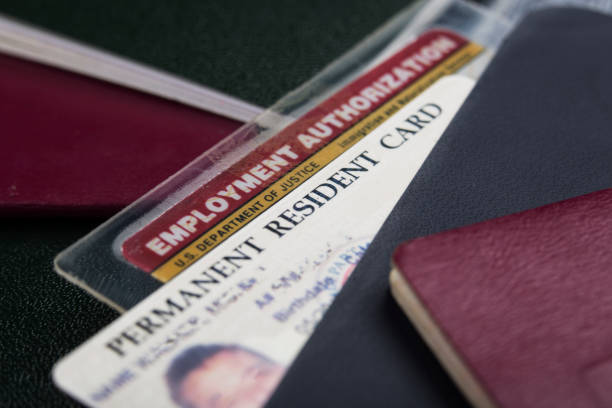
Yes. You can apply for an employment authorization document (EAD) along with your I-485 application. This gives you employment authorization to work legally while your adjustment of status case is pending. You can also request advance parole, which serves as a travel document allowing you to leave and re-enter the U.S. without abandoning your application.
How do I check my USCIS case status?
You can check your USCIS case status online using your receipt number on the USCIS website. The system shows your current case stage and any recent updates. If your case has been pending longer than the normal range for your category, consider calling the USCIS Contact Center or visiting a local USCIS field office for additional information.
Does my green card holder sponsor affect processing time?
Your green card holder sponsor's category can significantly affect processing times. Immediate relatives of U.S. citizens generally have shorter wait times because visa availability is always current.
However, if your sponsor is a green card holder (lawful permanent resident) filing an immigrant petition for an alien relative, the wait for visa availability based on your priority date can add years to the overall processing timeline.
It's essential to remember that even though waiting for your application to be processed can be frustrating, patience and persistence are key. In the meantime, it is very important to stay up to date on any changes to immigration policies or procedures that could affect either the USCIS or Consular processing time.
Hacking Immigration Law, LLC is a reliable and experienced place to go if you need help with your I-485 application or have questions related to citizenship and immigration services.
Once your I-485 is approved and you become a lawful permanent resident, many applicants will eventually apply for citizenship as their next major milestone. Hacking Immigration Law, LLC can help you at every stage of that journey.
With over a decade of experience in immigration law, we help with many different aspects of the immigration process, including green card applications, visas, family-based immigration, employment-based petitions, and more. Our team of dedicated professionals can help you navigate the complicated process of applying for permanent residency with confidence and minimize delays at every step.