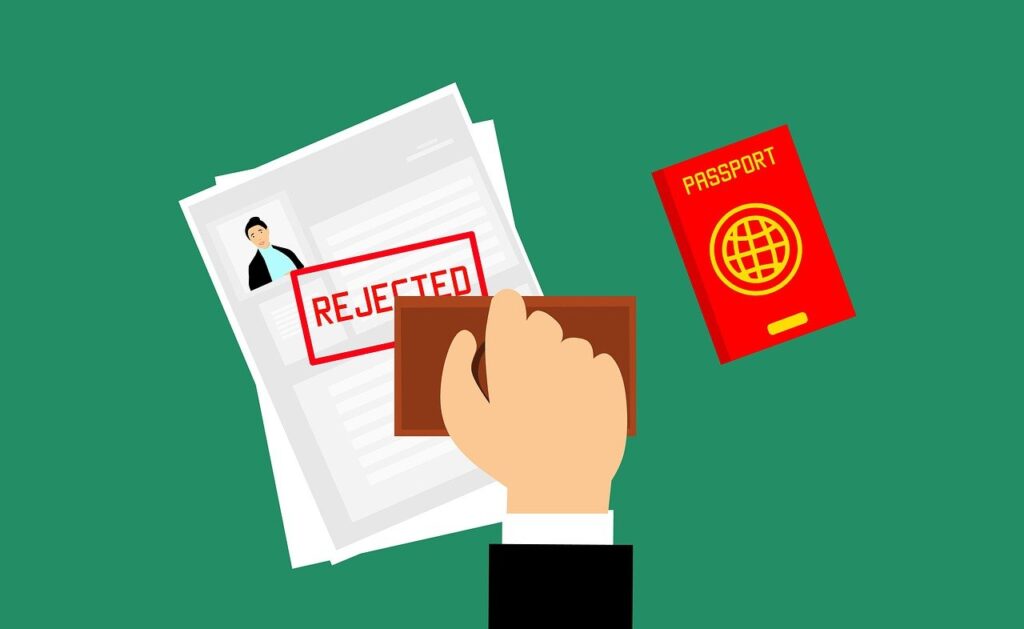
Submitting “extra” documents without being asked sounds helpful, right? But in immigration law, unsolicited evidence can hurt more than it helps. If you want to avoid delays, confusion, or even denials, you need to know what unsolicited evidence is—and why it’s a trap.
You spent weeks gathering documents, translating papers, and double-checking forms for your USCIS application. You're nervous but hopeful. So you think, “Maybe if I add a few more documents—just in case—they’ll see how serious I am.”
Instead of being seen as helpful, this “extra” information is flagged as unsolicited evidence. The officer reviewing your case might ignore it, get confused, or even issue a Request for Evidence (RFE) that sets you back months. In worst-case scenarios, it could jeopardize your approval altogether.
To avoid this, you need to know exactly what unsolicited evidence is, how to recognize the boundaries of what USCIS wants, and when to consult an immigration attorney.
Key takeaways
• Unsolicited evidence is any document USCIS didn’t ask for—and it can delay or damage your case.
• Submitting extra materials might feel helpful, but it often causes confusion and procedural issues.
• Exceptions exist, but they’re rare and best handled with professional guidance.
Ensure your application follows USCIS guidelines.
Table of Contents
In simple terms, unsolicited evidence is any document or material you submit to USCIS that they didn’t specifically request at that stage of the process.
It includes:
• Additional personal statements
• Photos beyond what's required
• Medical records were not asked for
• Extra affidavits
• Employment letters or pay stubs when not required
• Updated documents submitted without USCIS asking for them
Even if your intention is good, USCIS operates under strict procedures. Officers are trained to evaluate specific criteria, and random documents can complicate that system.
When it comes to submitting evidence to U.S. Citizenship and Immigration Services (USCIS), timing and format matter a lot.
USCIS generally does not accept unsolicited evidence after your case has been submitted or after you have received a receipt notice post-online filing. If you send additional documents outside of the approved windows, they may simply be ignored or discarded. This rule maintains order and fairness in processing tens of thousands of immigration applications.
According to the USCIS Policy Manual, Volume 1, Part E, Chapter 6, the agency is not required to consider any materials submitted outside its formal evidence request process.
To better understand what counts as "unsolicited," let’s clarify a few terms:
• Initial Evidence: Required documents you must include when you first submit your application or petition (e.g., Form I-130, Form I-485).
• Additional Evidence: Extra documentation USCIS might ask for if something is missing or unclear in your original file.
• RFE (Request for Evidence): A formal request sent by USCIS asking for specific documents or clarification to support your case.
• NOID (Notice of Intent to Deny): A notification that your case may be denied unless you respond with valid evidence.
• Unsolicited Evidence: Any documents you send to USCIS that were not requested via RFE or NOID and fall outside the formal process.
Overthinking
Many applicants think, “Better safe than sorry.” But with USCIS, it’s often “Better accurate than over-prepared.”
Misguided Advice
Online forums, friends, or even notarios may say, “I submitted tons of stuff and got approved!” But every case is different, and submitting unnecessary documents can backfire.
Fear of Denial
Applicants fear being denied for not providing “enough.” But USCIS isn’t grading you on enthusiasm. They're checking boxes. If you provide what’s asked, you're in good shape.
If you submit unsolicited evidence, USCIS may find it unhelpful. It can even work against you.
Here’s why it’s a bad idea to submit unsolicited evidence:
More documents = more time. Officers reviewing your case don’t have time to sift through a mountain of paperwork to find what they actually need. Your extra documents may result in:
• Delays in processing
• Requests for clarification
• Misunderstanding of your case
USCIS has specific rules and timeframes for when and how to submit documents. Submitting out-of-turn materials might be seen as ignoring instructions, which can:
• Result in automatic rejection
• Trigger Requests for Evidence (RFE) or Notices of Intent to Deny (NOID)
Imagine this from the officer’s perspective: You submit a detailed letter about a job offer when your visa application doesn’t require employment documentation. Now they’re asking:
• Why is this here?
• Is the applicant confused?
• Do I need to investigate further?
The result? Confusion and potential delay.
Don’t let unsolicited evidence delay your case—seek professional immigration assistance today.
Hire St. Louis Immigration Lawyers
Let’s say you’re applying for a marriage-based green card. Here’s how unsolicited evidence might sneak in:
What’s required:
• Form I-130 and I-485
• Marriage certificate
• Joint bank statements
• Photos as evidence of a relationship
What’s unsolicited:
• Handwritten love letters
• Vacation itineraries from 5 years ago
• Extra letters from friends who weren’t asked to provide affidavits
• Untranslated texts or emails
Bottom Line: If it’s not on the USCIS checklist or explicitly requested, think twice before submitting it.
There are exceptions, but they’re rare and strategic. You may include extra materials when:
• You're responding to an RFE
• You're asked during an interview
• You're filing an appeal or motion to reopen
• The new evidence is directly related and required by regulation
Even then, make sure you label your documents clearly, explain their relevance, and ideally, work with an immigration attorney to avoid issues.
Already hit “send” on those extra docs? Here’s what to do next:
• Don’t panic – USCIS may simply ignore the documents and not penalize you.
• Monitor your case status online or by calling USCIS.
• Consider scheduling an InfoPass appointment if you’re concerned.
If you get an RFE later, you may have another chance to submit more evidence properly.
Here’s your immigration success checklist:
• Read all instructions carefully. Use the official forms and instructions provided on the official government website as your guide.
• Stick to the required documents. Log in to your USCIS online account and upload evidence that's only on the list or specifically requested.
• Label everything clearly. Avoid dumping documents without explanations.
• Keep it organized. Put documents in the order USCIS prefers.
• Consult an immigration lawyer. They’ll tell you what to include and what to leave out.
Hire St. Louis Immigration Lawyers
Here’s exactly why hiring an immigration lawyer, like the experienced team at Hacking Immigration Law, LLC, is a total game-changer:
Anyone can Google a list of required documents. But only a seasoned immigration lawyer knows:
• How USCIS officers interpret gray areas
• Which evidence carries the most weight
• What a well-organized and convincing application looks like
• How to prepare for future steps like interviews or RFEs
Experience matters. An immigration attorney knows how to build a compelling case the first time—no guesswork required.
Submitting unsolicited evidence? Forgetting a signature? Mailing the application to the wrong address?
Even small errors can lead to:
• Application rejections
• Delays lasting months
• Denials that require costly appeals or do-overs
Immigration lawyers spot those issues before your application leaves your hands. We know what not to include (like unsolicited evidence), and we’ll guide you on what’s required at each stage.
Immigration paperwork can feel like a full-time job. But when you work with an immigration lawyer, you get:
• Accurate and complete form preparation
• Proper document organization
• On-time submissions
• Up-to-date knowledge of changing immigration policies
Remember, unsolicited evidence is only a problem when submitted improperly or prematurely. A good immigration attorney knows:
• When additional evidence strengthens your case
• When to hold off until a Request for Evidence (RFE) is issued
• How to explain and frame the evidence so USCIS understands its value
Rather than drowning USCIS in paperwork, a lawyer builds a targeted and persuasive case.
If you receive an RFE or are called for an interview, it’s not just about showing up. It’s about:
• Knowing what questions USCIS will ask
• Practicing how to answer clearly and truthfully
• Understanding how to present new documents (if requested)
• Addressing any red flags in your case proactively
An immigration lawyer helps you walk in calm, confident, and ready.
Denied application? A lawyer can:
• Review the reasons for denial
• File appeals, motions to reopen, or motions to reconsider
• Prepare a stronger case for re-application
• Determine if another immigration pathway is better suited for you
Having an expert on your side at this stage is often the only way forward.
When you hire a skilled immigration attorney, you're not just getting legal help—you’re gaining:
• A trusted advisor during a high-stress process
• A clear strategy from start to finish
• The confidence that every form, document, and step has been checked by a pro
Instead of lying awake at night worrying if you’ve made a mistake, you get to relax, knowing you’ve got the right people in your corner.
When you work with us, you get:
• Clear answers to your immigration questions
• A case strategy tailored to your unique situation
• Responsive communication and a team that actually cares
• A better shot at success—without the stress
• We don’t just fill out forms—we fight for your future.
What happens if I submit unsolicited evidence to USCIS?
USCIS may ignore it, issue a Request for Evidence (RFE), or even deny your application if it causes confusion or appears to violate procedure.
Can unsolicited evidence ever help my case?
In very rare, strategic cases—yes. But only when it directly relates to a request or legal requirement. Best to consult an immigration attorney first.
What if I realize I forgot something after I applied?
Don’t send extra documents on your own. Wait for an RFE or contact a lawyer to determine the right next step.
How do I know which documents are required?
Every USCIS form includes detailed instructions and checklists. Follow these carefully and avoid guessing.
When it comes to immigration applications, the golden rule is “follow instructions exactly.” Submitting too much can be just as harmful as submitting too little. Unsolicited evidence might seem like you’re going the extra mile—but to USCIS, it’s more like going off-course.
If you’re unsure, confused, or overwhelmed, don’t go it alone. The team at Hacking Immigration Law, LLC is ready to help. We know the rules, the traps, and the right way forward.
Your future deserves the best shot. Play it smart. Keep it clean. Get it approved.