A 2-year green card is a conditional status for newly married spouses or investors, while a 10-year green card confers full permanent residency. Learn more about a 2-year vs. 10-year green card.
If you are approved for a marriage-based case, the difference usually comes down to one date: how long you have been married on the day USCIS approves or issues the card. If the marriage is less than two years old, USCIS usually gives you a two-year conditional card. If the marriage is at least 2 years old, USCIS usually grants you a 10-year green card.
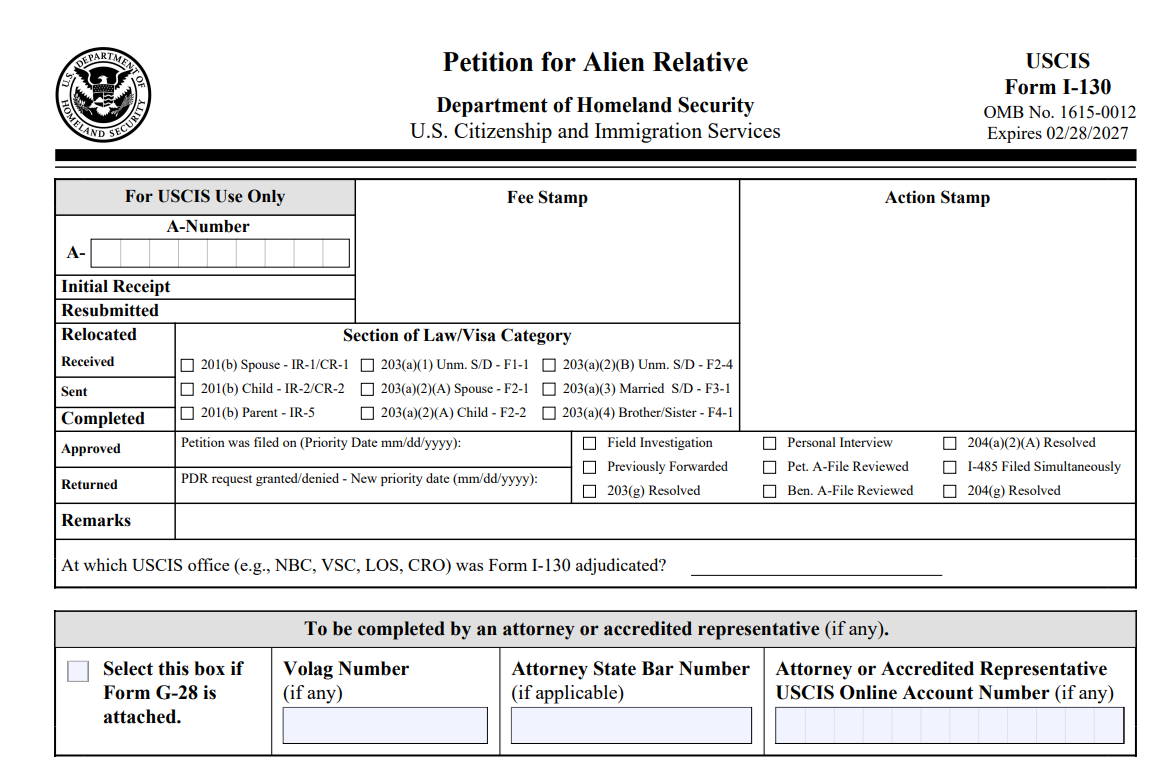
That key difference matters because the next filing is different. A two-year card requires Form I-751 to remove conditions. A ten-year card is renewed using Form I-90 when the physical card is nearing expiration.
Understanding the difference can help you avoid missed deadlines and protect your permanent resident status.
Key Takeaways:
If you are not sure which filing applies to you, the safest move is to get legal help before the deadline passes.
USCIS determines whether you receive a 2-year or 10-year green card based on how long you have been married when your case is approved. A conditional green card is issued if your marriage is less than two years old at approval. A permanent card is issued if your marriage is at least two years old at approval.
The rule is easy to misunderstand because most people focus on when they filed the case. The filing date does not control the card length. The approval or issuance date is what matters in the green card process.
For example, if a couple files after six months of marriage, but the case takes more than two years to finish, the immigrant spouse should usually receive the longer card. If USCIS approves the case before the second anniversary, the immigrant spouse usually receives a two-year conditional green card instead.
A 2-year card gives the immigrant spouse conditional status. But it still gives real legal rights. The person can live, work, and travel with a valid passport and card, and keep building time toward naturalization.
That point matters because not all green cards create the same next-step obligation for lawful permanent residents. The two-year card version comes with conditions that must be removed. The ten-year version does not require a removal-of-conditions filing.
A conditional permanent resident is still a resident. The condition is attached to the marriage evidence USCIS wants to review, not whether the person can work and live in the United States during the valid period.
Find out how the green card process works and what comes next.
A two-year card confers lawful permanent resident status while it’s valid. That means the person generally has the same day-to-day rights as other green card holders, including work authorization and the ability to travel, provided there are no other case issues.
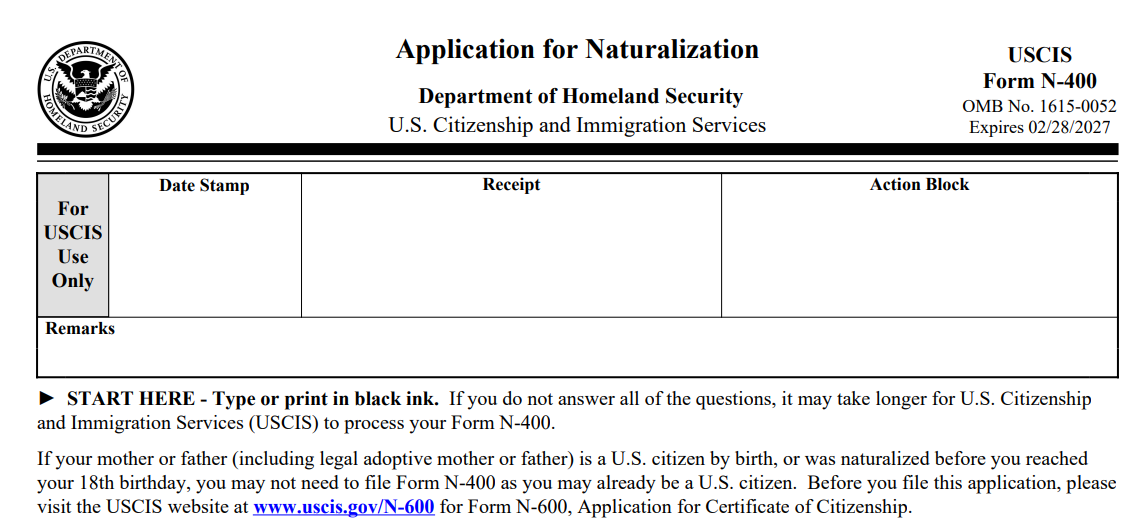
Time spent as a conditional resident can also count toward the naturalization requirement. If you remain married to and living with your U.S. citizen spouse, you may be eligible to apply for citizenship after three years of permanent residence. In some cases, your I-751 can still be pending while you file your N-400 application.
There is one hard rule: the conditions must be addressed. Skipping the I-751 and trying to move straight to citizenship can lead to denial and can create removal risk.
A conditional green card expires exactly two years after issuance, and the key filing is Form I-751, Petition to Remove Conditions on Residence. You must submit Form I-751 during the 90-day period before your card expires. Filing too soon may lead to rejection, while filing late can put your status at risk.
Conditional residents must prove the marriage is genuine, not just paperwork for an immigration benefit. USCIS usually expects evidence of a bona fide marriage, such as leases, insurance, photos, travel records, tax records, children’s birth certificates, and joint bank account statements.
Failure to file Form I-751 can lead to deportation. USCIS can terminate the person’s lawful status, deny future benefits, and refer the case to immigration court. If the deadline was missed, talk to an immigration lawyer before filing anything on your own.
Ready to sort out your own timeline? Schedule a consultation with Hacking Immigration Law, LLC, and we'll tell you exactly which form you need and when it's due.
After Form I-751 is filed, USCIS sends a receipt notice that can extend the card's expiration date for the period stated in the notice. That receipt is important because it helps prove ongoing legal status while the case is pending.
USCIS may approve the I-751 based on written evidence, but many applicants must attend an interview to verify the authenticity of their marriage. The interview often focuses on whether the couple has built a genuine life together. If the marriage ended, there may still be waiver options, but the case needs careful handling.
Once the conditions are removed, USCIS issues the regular card. At that point, the person no longer has conditional residence and doesn’t need to file another I-751.
A 10-year card must be renewed every 10 years by filing Form I-90 with USCIS. This filing replaces the physical permanent resident card. It does not restart the residency period, and it does not mean the person is applying for status all over again.
Start the renewal process at least six months before expiration when possible. Waiting until the last minute can make travel, employment verification, driver’s license renewal, and other identity checks harder.
If the green card expires, the person usually remains a permanent resident. The expired document can still create practical trouble, especially for travel and work authorization proof. That is why renewal timing matters even though the underlying resident status continues.
USCIS sometimes issues the wrong card length, which can affect your green card status and filing deadline. A person who should have received a 10-year card may receive a two-year card, or a person who should have received a two-year card may receive the longer version by mistake.
Do not ignore the mistake. If USCIS issued the wrong document, the person may need Form I-90 for a replacement or may need legal guidance on whether an I-751 is still required. The answer depends on the facts and on what USCIS actually approved.
This is especially essential for conditional green card holders because assuming USCIS made the right choice can lead to missed deadlines. If the card says it expires in two years, treat that deadline seriously until an attorney reviews it.
Sorting out which card you'll get and what to do once it arrives is easier with someone who has handled thousands of these cases. Book a consultation with our team before your filing window opens.
No. The two-year card grants real resident rights, but it requires an I-751 filing. The ten-year version does not have marriage conditions attached, although the card itself still has to be renewed.
File Form I-751 during the 90 days before the two-year card expires. Include evidence that the marriage was real, organized, and easy for USCIS to review.
Your receipt notice can extend proof of status while USCIS reviews the case. Keep the receipt notice with the expired card and check the exact extension language on the notice.
No. Your lawful status does not normally end just because the document expires. But the expired card can complicate travel, work verification, and other situations where you need proof.
The time on the two-year card counts toward citizenship eligibility. But the person still needs to remove conditions, and USCIS may need to decide or interview the I-751 before approving naturalization.
You should talk to an immigration law attorney if the deadline is approaching, the marriage has ended, the couple is separated, USCIS issued the wrong card, or you are not sure which form to file. These are not small paperwork details. They can affect whether you stay protected.
Hacking Immigration Law helps families understand the next step, prepare filings, and respond when USCIS causes confusion or delay. If you need immigration services for a removal of conditions case, a renewal, or a card error, get advice before you file.