Trump’s deportation plan is more aggressive than ever. It's threatening millions of immigrants with mass removals, family separations, and workplace raids. If you or someone you love is undocumented, waiting could be a costly mistake. Here’s exactly what’s happening, what it means for you, and how to protect yourself.
President-elect Donald Trump’s latest deportation plan has sparked intense debate across the country.
The strategy of the Trump administration strategy includes mass deportations, with plans to remove up to 20 million individuals, surpassing the estimated 11 million undocumented immigrants currently in the U.S. This involves:
• expanding expedited removals
• allowing for swift deportation without judicial review
• utilizing facilities like Guantánamo Bay to detain up to 30,000 migrants
Additionally, the plan seeks to revoke Temporary Protected Status (TPS) for approximately 350,000 Venezuelans, exposing them to potential deportation.
Key takeaways
• Trump’s deportation plan is the most aggressive in U.S. history.
• Legal and political challenges could delay or block some parts of the plan.
• Public opinion is deeply divided, and the media is shaping the debate.
• If you’re at risk of deportation, getting legal help is the most important step you can take.
Let’s break it down and see what this means for immigrants, businesses, and American society as a whole. Stay informed, get help, and take action before it’s too late.
Hire St. Louis Immigration Lawyers
Table of Contents
Trump’s deportation plan isn’t just talk—it’s a multi-faceted strategy aimed at removing millions of undocumented immigrants from the U.S.
Here are the major components:
• Trump aims to deport up to 20 million undocumented immigrants, despite estimates suggesting only 11 million reside in the U.S.
• Plans to increase expedited removals, allowing for deportations without court hearings.
• ICE enforcement to ramp up in workplaces, homes, and even public spaces.
• Deploying National Guard troops to support immigration enforcement.
• Encouraging local police and sheriff’s departments to act as immigration enforcers.
• Federal authorities might use Guantánamo Bay to detain up to 30,000 migrants.
• The Immigration and Customs Enforcement has already begun conducting mass raids at businesses employing undocumented workers.
• In Newark, New Jersey, a raid mistakenly detained U.S. citizens along with undocumented individuals.
• Revoking Temporary Protected Status (TPS) for Venezuelans, leaving them at risk of deportation.
Bottom Line: The Trump deportation plan is the most aggressive version in U.S. history. It will affect families, businesses, and communities across the country.
Trump’s deportation strategy faces numerous legal hurdles and political pushback.
Is it even legal?
• Trump plans to use the Alien Enemies Act of 1798, which requires a formal declaration of war to justify mass deportations.
• Legal experts argue that applying this law without a war declaration is unconstitutional.
Using local police as immigration enforcers
• Deputizing local law enforcement could lead to racial profiling and breakdowns in trust between police and communities.
• Many police departments are resisting participation, fearing lawsuits and civil rights violations.
The political battle over immigration
• While 90% of Republicans support strict immigration enforcement, only 50% of Democrats do.
• The plan is polarizing, with human rights organizations calling it inhumane and unworkable.
Bottom Line: The plan is facing major legal challenges and political resistance. This could slow down or block its full implementation.
Beyond the legal and political fights, Trump’s deportation plan could wreak havoc on immigrant communities and American society.
Family separations and emotional trauma
• Parents could be deported while their U.S.-born children remain in the country.
• This could flood the foster care system and leave thousands of kids without stable homes.
Fear and anxiety in immigrant communities
• Many immigrants are avoiding public places to reduce their risk of detention.
• Businesses that rely on immigrant workers, like restaurants and farms, struggle with labor shortages.
Economic consequences
• The American Immigration Council estimates deporting one million people annually could reduce GDP by 4.2% to 6.8%—a loss of up to $1.7 trillion.
• Industries like construction, agriculture, and healthcare could see major worker shortages.
Bottom Line: The economic and social consequences of mass deportations go far beyond just undocumented immigrants—they affect the entire country.
The deportation plan is a hot topic in the news, and people have strong opinions about it.
• Americans are divided on how far the government should go.
• Some news outlets focus on the enforcement side, highlighting ICE’s actions.
• Others emphasize humanitarian concerns, showcasing stories of families being torn apart.
• Journalists covering ICE activities have even received threats, raising concerns about press freedom.
Bottom Line: The debate over Trump’s immigration policies is one of the most heated topics in America today, and the media is shaping public perception.
Trump's deportation plan could affect you. Get ahead with the right legal support.
Hire St. Louis Immigration Lawyers
Here’s the broader implications of Trump’s proposed mass deportation plan:
One of the most immediate and significant impacts of mass deportations would be a crippling labor shortage in key industries. Undocumented immigrants play a crucial role in sectors such as:
• Agriculture
• Construction
• Hospitality and Service Industry
• Healthcare
Overall, if Trump’s deportation plan is carried out, businesses could face higher costs, lower productivity, and potential financial collapse. This could also lead to economic contraction and job losses for American workers.
Deportations devastate families, many of whom have lived in the U.S. for decades. Some of the long-term social consequences include:
• Family separation.
• Psychological trauma.
• Neighborhood instability.
The U.S. immigration system is already overwhelmed. The most anticipated largest domestic deportation operation could push it to a breaking point. The long-term effects include:
• Backlogged courts. Immigration courts are already overwhelmed, with more than 2 million pending cases. Mass deportations would cause further delays, making it nearly impossible for individuals to receive fair hearings.
• Overflowing detention centers. Increased arrests would overcrowd already packed detention facilities. This could lead to inhumane conditions and human rights concerns.
• Legal challenges and civil rights violations. The government would likely face massive legal pushback, including lawsuits challenging unlawful arrests and racial profiling.
If the U.S. proceeds with mass deportations, it could face severe international backlash. Some of the long-term consequences include:
• Damage to U.S. reputation. The U.S. has historically been seen as a land of opportunity. Harsh deportation policies could harm its global image, making it less attractive for international students, businesses, and investors.
• Diplomatic tensions. Countries with large immigrant populations in the U.S., such as Mexico, India, and China, may condemn the policy, straining diplomatic relations.
By adopting aggressive deportation measures, the U.S. risks isolating itself on the global stage and losing its competitive edge.
Worried about the effects of Trump's deportation policies?
Immigration lawyers are crucial in ensuring that individuals facing deportation receive fair treatment under federal laws.
Here’s how immigration lawyers can help:
Legal representation in deportation proceedings
Immigration court is complex, and without proper representation, individuals are at a serious disadvantage. Lawyers help immigrants present a strong defense, challenge removal orders, and appeal decisions when necessary.
Filing delay lawsuits for stalled cases
Many immigrants face delays in processing their visas, green cards, and naturalization applications. Experienced lawyers can file lawsuits to compel the government to act, preventing people from being left in limbo.
Assisting with green cards and citizenship
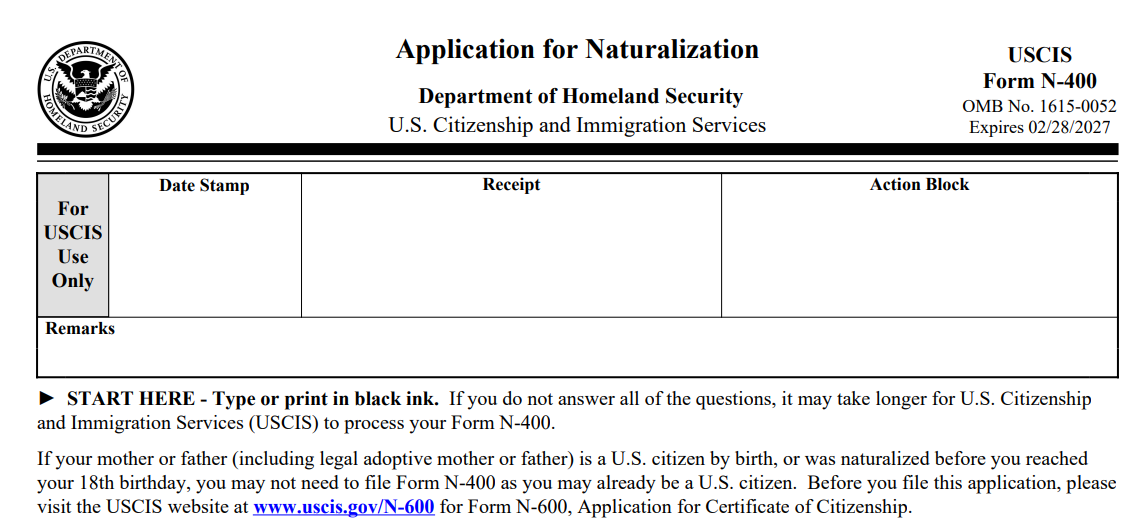
Legal immigration processes can be confusing. Immigration attorneys ensure all paperwork is completed correctly and provide legal guidance throughout the process.
Helping families stay together
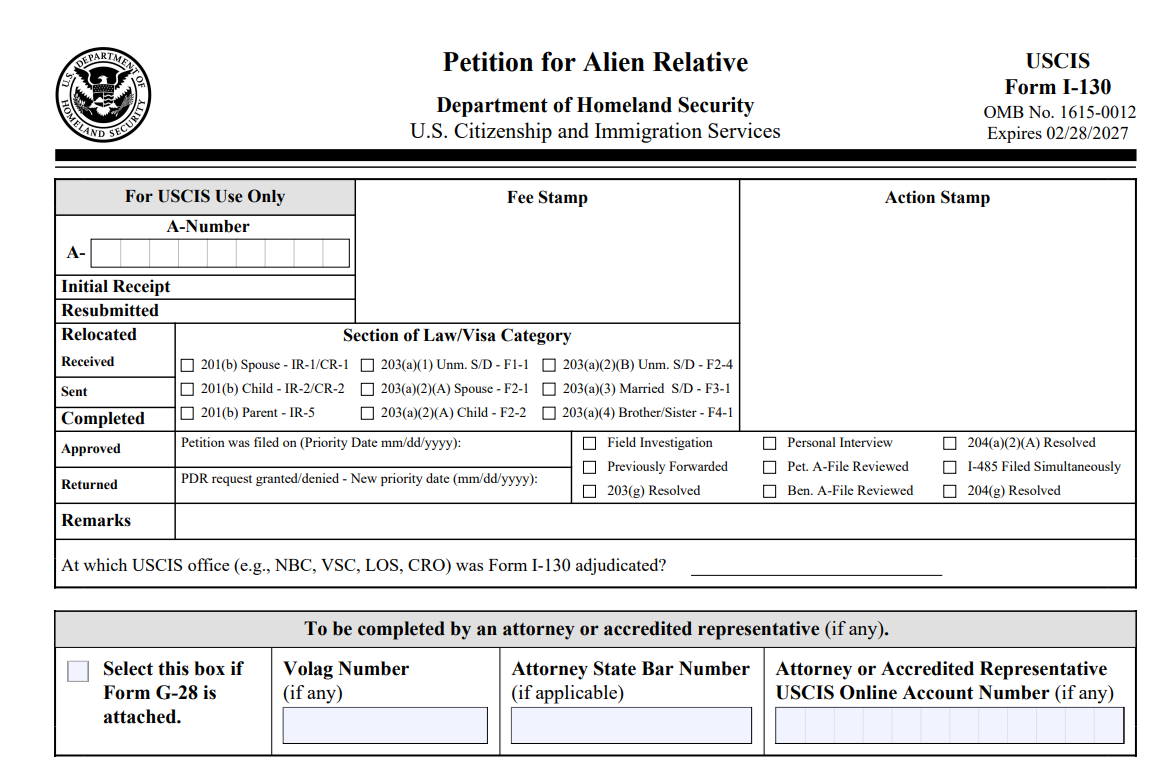
Many deportation cases separate families, leaving spouses and children in distress. Immigration lawyers work to reunite families through legal avenues such as family-based visas and waivers.
For individuals fearing deportation or seeking legal immigration assistance, Hacking Immigration Law, LLC provides expert legal representation and guidance. Our firm, led by Attorney Jim Hacking, has helped countless immigrants navigate the complex U.S. immigration system.
If you or a loved one is facing deportation, we can provide strong legal defense to challenge removal orders and explore all available options for relief.
If your immigration case has been stuck for months or even years, our firm can file delay lawsuits in federal court to force the government to act on your application.
We guide clients through the naturalization process, green card applications, and other legal pathways to permanent residency.
Hacking Immigration Law, LCC helps U.S. citizens and permanent residents bring their family to the U.S. through proper legal channels.
Every immigration case is unique. Our attorneys take the time to understand each client’s situation, providing tailored legal solutions.
With Trump’s mass deportation effort looming, immigrants should take proactive steps to protect their status:
✔ Know Your Rights. If confronted by immigration authorities, remember that you have the right to remain silent and to request legal representation.
✔ Get Legal Advice. Consult an experienced immigration attorney to explore your options and prepare for potential policy changes.
✔ Gather Documentation. Keep all important documents (such as passports, visas, and immigration papers) in a safe place.
✔ Avoid Scams. Beware of fraudulent immigration services promising quick fixes—always seek advice from a licensed immigration attorney.
✔ Act Quickly. If you are eligible for legal immigration status, apply as soon as possible before any new restrictions take effect.
Who is targeted under the new deportation plan?
The plan primarily targets undocumented immigrants, including those who have resided in the U.S. for less than two years.
What is expedited removal?
Expedited removal allows for the swift deportation of certain undocumented individuals without a formal court hearing.
Are naturalized citizens at risk?
While the focus is on undocumented individuals, there have been discussions about reviewing the status of naturalized citizens, especially if fraud is suspected during the naturalization process.
What should I do if I'm approached by immigration authorities?
Remain calm, know your rights, and get legal counsel immediately. Do not sign any documents without understanding them fully.
The uncertainty surrounding Trump’s deportation plan makes it more important than ever for immigrants to seek legal protection. Whether you are at risk of deportation, need help with a stalled immigration case, or want to apply for legal status, Hacking Immigration Law, LLC is ready to fight for you.
Don’t wait until it’s too late—contact us today to secure your future in the United States.