You can apply for citizenship years after getting a green card. How long before you can send your application depends on your situation in the U.S.
Being a United States citizen offers many benefits, such as government jobs and voting rights. Many green card holders want to become citizens, but the application process can be lengthy.
The naturalization process has specific requirements that the U.S. Citizenship and Immigration Services (USCIS) has laid out. Let this guide bring you all the information you need about applying for citizenship after getting a green card.
Key Takeaways:
• You can apply for citizenship once you've held a green card for five years or three if you're married to a U.S. citizen.
• Passing the English and civics tests is a requirement for citizenship.
• Don't stay out of the U.S. for too long or apply too early for a green card.
Let our lawyers figure something out for your immigration case!
Table of Contents
You must have the following qualifications to become a U.S. citizen through naturalization:
• You should be a lawful permanent resident (LPR) or a green card holder
• Must have continuous residence in the U.S. for a required period of time
• Show good moral character
• Meet the physical presence requirement, such as two and a half out of five years before green card application, or one and a half out of three years if you're married to a U.S. citize
• The ability to read, write, and speak basic English
• A basic understanding of the Constitution and U.S. history
• Take an Oath of Allegiance to the United States
You can apply for naturalization after being an LPR in the U.S. for at least five years, a period called the permanent residence requirement.
You're qualified under this rule if:
• You've had a green card for five years.
• You've lived continuously in the U.S. for five years before filing your naturalization application.
• You've been physically present in the U.S. for at least 30 months.
• Maintain good moral character within five years.
• You've lived in the same state or USCIS district for three months or longer before applying.
If you're married to an American citizen, you can start applying for citizenship after three years of permanent residence. You should live in a harmonious marital union with your spouse during the entire three years.
Show documents that prove your recent marriage, such as a marriage certificate and your spouse's U.S. citizenship proof, joint financial documents, tax filings, and lease agreements.
Members of the U.S. military can apply for naturalization without the three—or five-year requirements, depending on their time and length of service.
If you've served in the armed forces during peacetime, you can apply after a year of honorable service and being an LPR. You can apply to become a U.S. citizen even if you're not a permanent resident if you served during wartime.
Aside from the physical presence requirement, these two can also determine your eligibility for citizenship:
This means you should continuously reside in the U.S. during the required period of your application. You didn't leave the U.S. for more than six months and didn't abandon your permanent residence.
Absences of more than a year can break this requirement, unless you're filing Form N-470 or taking other special steps.
USCIS examines your moral character over the statutory period. Your application can be denied if you lie to immigration services, commit crimes, or fail to pay child support or taxes. You should maintain a good moral character throughout the naturalization process.
You must know how to read, speak, and write basic English to understand all the questions during the citizenship interview.
This test assesses your knowledge of the U.S. Constitution, history, and basic government structure. You'll be asked 10 questions out of 100, and you should accurately answer at least six.
Green card holders with medical disabilities and those engaged in certain types of overseas employment may be exempted from the civics and English tests and physical residence requirement, respectively.
• Speak English daily
Talk to your friends, family, or English-speaking groups to practice your English. You should also watch English news or videos with subtitles to understand grammar and the flow of words.
• Improve reading skills
Read simple English sentences aloud to become more confident in your speaking skills. Review the official reading vocabulary list from USCIS to learn important words that may appear in the exam.
• Work on writing skills
Write words and short sentences from the USCIS writing vocabulary list to write your answers in the test confidently. Test your writing accuracy with mobile apps or flashcards.
• Review common interview questions
Practice answering questions about your background and residence, as well as questions like "Why do you want to become a U.S. citizen?"
Take sample tests
Simulate the interview using online resources to get an idea of how it really goes.
• Study the 100 official civics questions
Familiarize yourself with each civics question so you can answer all 10 during the test.
• Understand the concepts, not just memorize
Learn why important historical events happened and how the U.S. government structure works for better chances of passing the exam. Search for YouTube channels that explain civics in plain language to understand everything more clearly.
• Practice aloud
Say your answers to a friend or family member to increase your confidence in speaking. This will help you prepare better for the actual test.
Prepare early and consistently to boost your chances of passing the two tests and making your way to the citizenship interview.
Don’t let your case get the best of you. Get help now!
Before applying for citizenship, make sure you're qualified for the physical presence and permanent residence requirements and have passed both the English and civics tests.
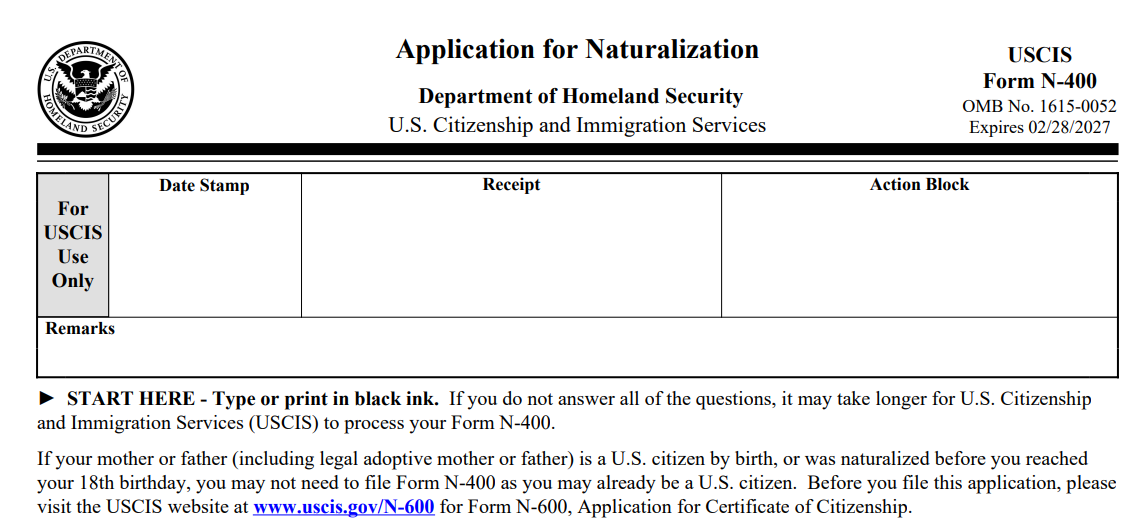
Complete the Form N-400, the official naturalization application document, and send it to USCIS. Include the following:
• A clear copy of your permanent resident card, both front and back
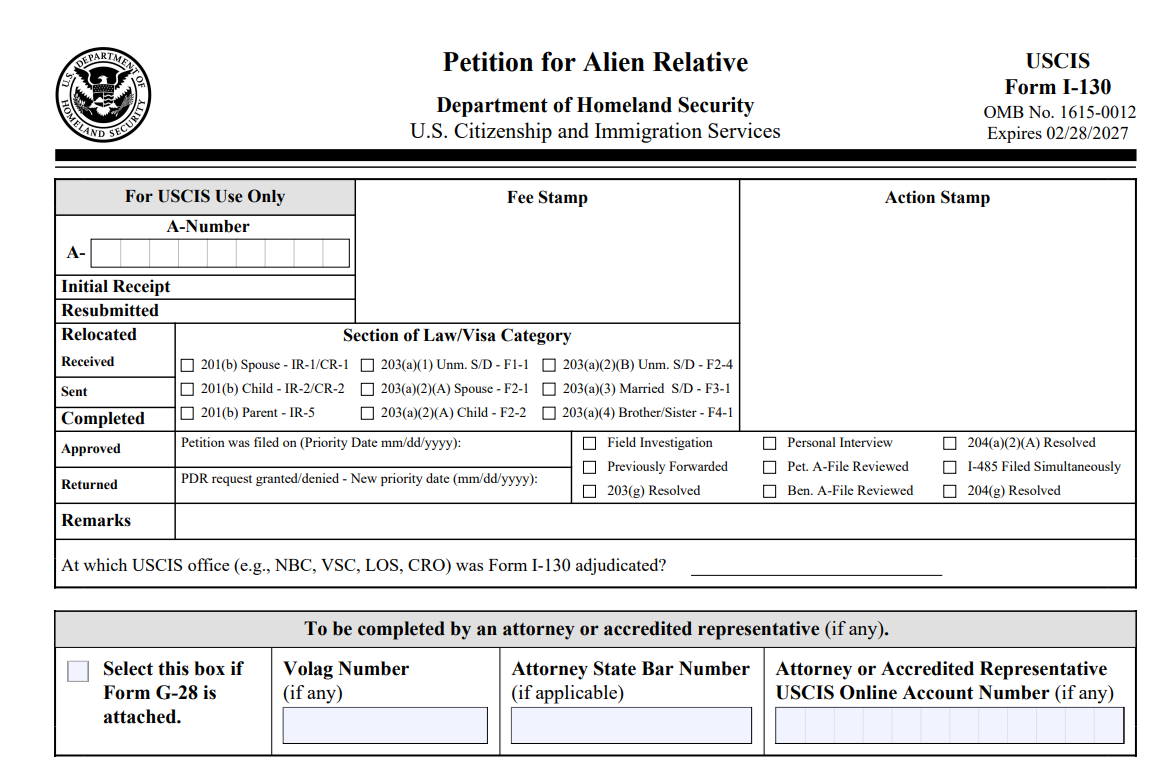
• Proof of marriage to your U.S. citizen spouse if you fall under the three-year exception
• Pay the necessary filing fees—$760 for paper filing and $710 for online filing.
USCIS will send you a notice to visit their office to submit your photographs and fingerprints. Show up on the specified date and time.
Wear business or formal attire and keep yourself looking neat and sharp. Arrive at least half an hour before the interview time for security checks. Bring all your necessary documents in a folder.
During the interview, the USCIS officer will review your application, ask about your background and travel history, and give the English and civics test.
USCIS may approve your application, ask for more documents, or deny the application. You should be ready for every decision they give you.
You'll attend an allegiance ceremony once the application has been approved. You’ll take the Oath of Allegiance to become a U.S. citizen fully.
You can't apply before completing your residence period. USCIS lets you submit your N-400 up to 90 days before your LPR anniversary date, regardless if you'rer spouse U.S. citizen or not.
Living outside the U.S. for more than six months can break the continuous residence. Be careful when taking extended trips.
Prepare and study for the exams in advance. You only have two chances to pass each test.
You can apply for U.S. citizenship on your own, but an immigration attorney can help you if:
• You have a criminal history or a complicated case
• You've been abroad for a long time before returning to the U.S.
• You're applying under a military provision
A competent and qualified attorney sees to it that your application is complete and accurate. They can also help you prepare for the interview, gather supporting documents, and advise you on what to do during application denials.
Going from being a green card holder to a full-pledged U.S. citizen involves language mastery, good character, and timing. You need to understand the citizenship requirements regardless of whether you apply after three years, five years, or through special provisions.
Track your residence dates, stay in the U.S., be a good person, and pass the civics and English test to become a citizen. It's more than paperwork—you're committing to a life in a new country that has become your home.
Get guidance from our St. Louis immigration lawyers to make the application process easy for you!