Divorce is the ultimate end for a marriage that has suffered so much. Along with it is the end of the H4 visa, a dependent visa for spouses and children.
Some marriages end in divorce, and with it come many changes. A big concern for individuals on an H4 visa is their immigration status after divorce. The H4 visa is a dependent visa given to spouses and kids of H1B visa holders. But what are the rights and protections under the H4 visa after the marriage has been terminated?
If you hold an H4 visa, let's walk through the impact of divorce on your employment, legal status, and permanent residency options in the U.S. in this guide.
Key Takeaways:
• Divorce can end your H4 visa when your spouse has an H1B visa. You may risk going out of status if you don't act quickly.
• Your employment also hangs in the balance with your divorce and loss of H4 visa.
• Filing for a status change is a quick remedy so you can lawfully remain in the U.S.
• Your children may need a new visa status in your custody. They may not need one when your spouse, holding an H1B visa, has your kids.
• Working with an immigration lawyer lessens the burden on your part while getting guidance on what to do next.
Seek answers to your immigration questions here.
Table of Contents
Aside from being issued to dependents, an H4 allows you to remain in the U.S. as long as the principal H1B holder has a valid visa status. However, it won't automatically permit employment unless the H1B visa holder gets an Employment Authorization Document (EAD).
The H4 visa is based on a spousal relationship. When the marriage ends, the visa is affected, and the holder's lawful status can also suffer a severe impact.
After the divorce is finalized, you lose eligibility for the H4 visa. You're no longer a dependent, affecting your ability to stay in the U.S. for the foreseeable future.
Your EAD becomes invalid as well after the divorce. The work permit is tied to the visa's validity, so you also lose it once the H4 is no longer valid. You must stop working right away or risk being out of status, leading to removal proceedings.
While there may be no formal grace period under the law, you may have a limited time to file for a change of status. Act quickly if you want to maintain a legal status in the U.S.
Get the help of an experienced immigration attorney in this situation. Delaying any action can result in losing your status and affecting your permanent residency application.
While divorce can end the H4 visa validity, these potential legal options allow you to still stay in the U.S.:
You can apply to another eligible visa category to change your status. Common options include:
• Student visa (F1), when you enroll in a highly qualified U.S. educational institution.
• Work visa (H1B), if your employer is willing to sponsor you and you meet all eligibility requirements.
• Dependent visa under another family member, if your parents are on work visas or any other case.
Start the application process even before your H4 ends.
When your employer sponsors your H1B or any other visa, you can file for an O-1 visa if you have extraordinary abilities or a TN visa if you're an eligible Mexican or Canadian citizen.
If your children are U.S. citizens and over 21 years old, they can file for a green card on your behalf. This option is available under the U.S. immigration law, but is limited by circumstances and age.
If you're a battered spouse or an abuse victim of a U.S. citizen or green card holder, you may file for self-petition under the Violence Against Women Act (VAWA). There's no need for the abusive spouse to file or submit a joint petition, and you must prove the marriage was done in good faith. You should also provide evidence of the abusive relationship.
Self-petitioning lets eligible individuals seek permanent residency and gain security after a difficult relationship.
You can still get a green card, but it depends on your immigration status at the height of the divorce.
The divorce may affect the application's outcome if your green card application is marriage-based. If you hold a conditional green card, file a waiver to prove you got married in good faith.
The United States Citizenship and Immigration Services (USCIS) considers various factors, such as the intent and length of the marriage, children, and shared finances, for you to get a green card.
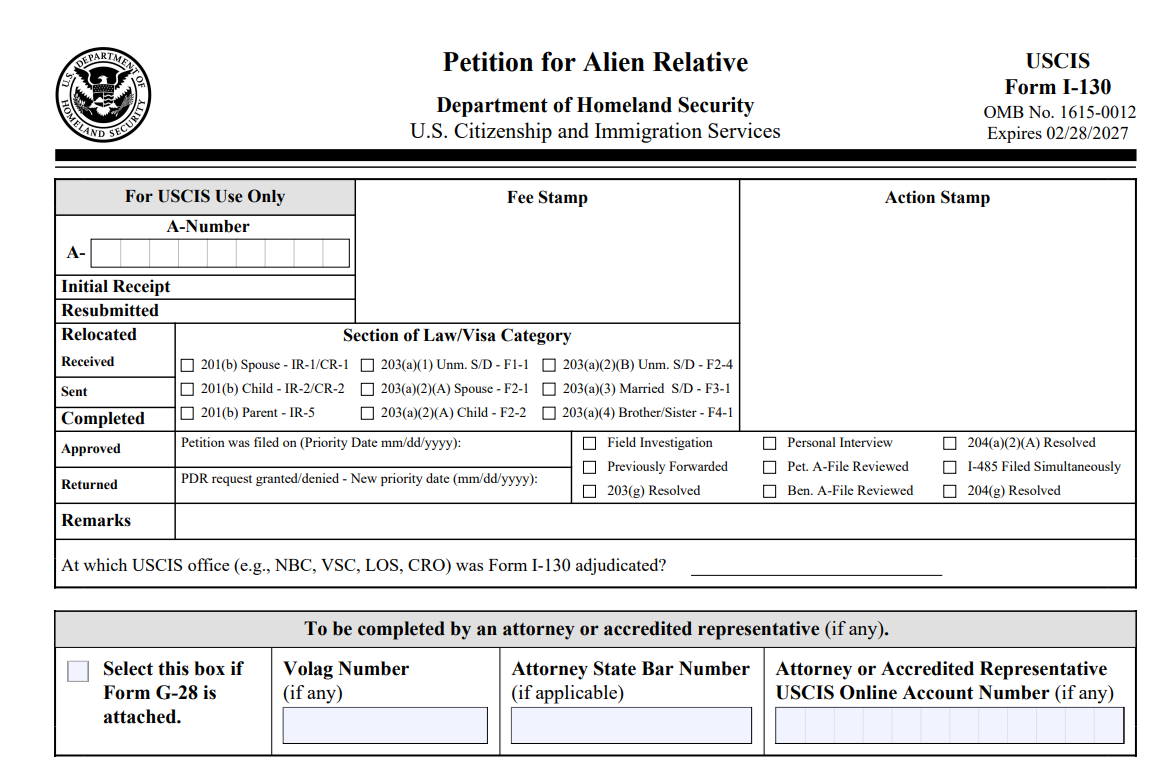
You can also file Form I-751 with a waiver if you want to remove conditions on your green card after getting divorced. Include evidence of genuine marriage. You may be appointed for a USCIS interview or court proceedings.
Contact St. Louis attorneys today to succeed in your case!
Hire a St. Louis Immigration Attorney
Children on H4 visas are affected by the divorce. However, their situation depends on these factors:
• The child can still have an H4 when the H1B parent retains custody.
• The child may need a new visa status when the divorced spouse has custody of them.
• The child may be eligible to become a permanent resident if one parent gets a green card.
The divorce process is already overwhelming. Here's what you should do during and after the whole ordeal:
Your lawyer can give you advice depending on your situation, help you file appropriate forms, and guide you throughout the divorce process.
Move fast before your H4 visa expires. Submit applications for change of status or waivers as per your lawyer's advice.
Provide these if you're a victim of abuse to get protection:
• Communication records
• Photos
• Joint bills
• Lease agreements
• Court documents
• Police reports
• Medical records
You can go out of status when your H4 visa was terminated because of divorce, and you didn't act on time. This can make you:
• Ineligible for green cards or certain visas
• Be at risk of being placed in removal proceedings
• Leave the country or file an appeal via an immigration court
You can still apply for relief under VAWA or humanitarian grounds or request advance parole in some cases.
Going through the hoops of the U.S. immigration system can be draining, especially during divorce, visa expiration, or breaking from abuse. A highly skilled immigration attorney can support you and help you make informed decisions to protect your rights and future.
Here's what they can do for you:
Lawyers will explain your rights under immigration law in simple terms. Each case is different, and your options depend on your visa category, marital status, or permanent residency goals.
• Immigration lawyers study your current status and explain the potential consequences of changes in your personal life, like divorce.
• They make it clear if you're qualified for relief under programs like U visas or asylum.
• They inform you about the next legal steps to take and the risks that come with them.
Your lawyer does more than just file forms. They help you prepare the paperwork, compile evidence, and beat deadlines. One single mistake in any document can lead to delays and denials. They make sure that everything is filed correctly before submissions are closed.
Lawyers prepare and submit Forms I-360 for VAWA, I-485 for adjustment of status, and I-765 for work authorization. They track deadlines to keep your case moving smoothly forward.
In case you're removed or deported, the immigration attorney will represent you before the judge. They will help you obtain justice by building a strong case on your behalf, arguing for relief from removal, or advocating for waivers. They'll challenge government decisions that may be unlawful on your part.
An immigration attorney will help victims of abuse be protected under VAWA or other programs. They help gather important documentation and ensure confidentiality throughout the process.
Aside from completing forms, your attorney's role is to ensure that your rights are protected as you go through the grief and legal process of divorce. They'll work to make you remain lawfully in the U.S., even in high-stakes situations.
Divorce can affect your immigration status, but don't let it ruin the future you deserve. Getting the right legal guidance, acting quickly, and understanding your choices and rights can help you achieve a stable future for you and your children.
If you're still on H4 and you're undergoing a divorce, a St. Louis immigration lawyer can help you regain your footing. Contact us today!
Can I stay in the U.S. after divorcing my H1B spouse?
You can, but only after changing your status, qualifying for another visa, or applying under special provisions like VAWA.
How long do I have to act after the divorce?
Act quickly and file for a change of status to avoid being out of one.
Can I work after I get divorced if I have an H4 EAD?
No, you can't. Your work permit also ends once you're no longer eligible for an H4 after a divorce.
Can I stay in the U.S. without leaving the country?
Yes! Change your status, ask sponsorship from an employer, and file a petition under VAWA to be able to stay longer in the U.S.