You can change your name after being naturalized in the U.S. But first, you need to understand the legal processes.
A name is more than just a name—it’s how you want to be known. Changing your name after you become a citizen of the United States is doable, depending on where you live in your naturalization process or how the local court or United States Citizenship and Immigration Services (USCIS) officer handles requests for name changes.
If you need to switch to a new name, this guide explains the essential processes in name change petitions and how to do it.
Key Takeaways:
• As you go through the naturalization process, you have the opportunity to change your name through court ceremonies.
• After naturalization, you can still change your name due to marriage, divorce, or other personal reasons—but this must be done through a separate name change petition in a state court unless it was granted during a judicial oath ceremony.
• When changing your name, prepare your legal documents, like your birth certificate, driver’s license, passport, and more.
Find information about immigration here.
Table of Contents
Yes. You can change your legal name during the naturalization process. However, there are some limitations.
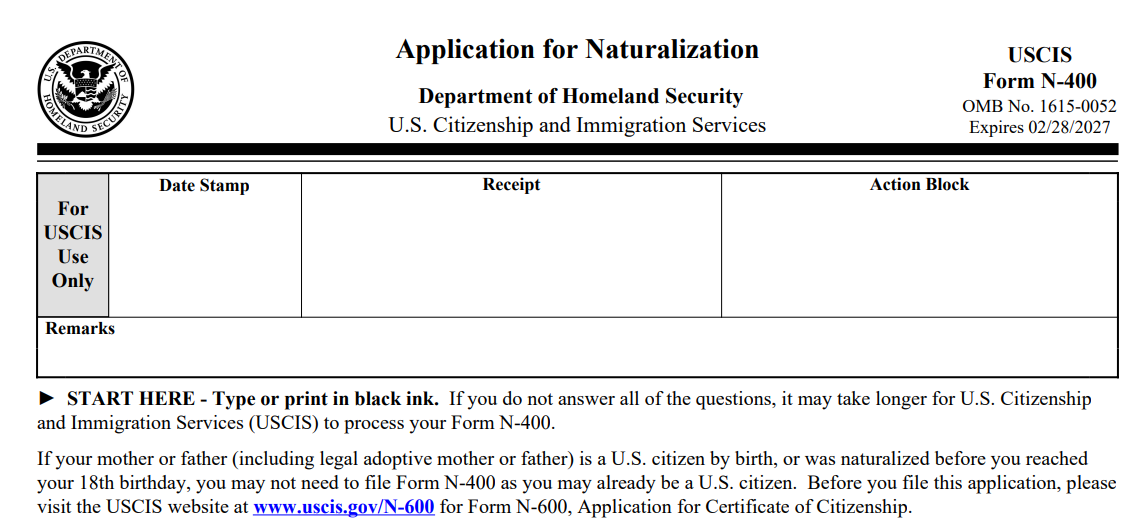
When you submit Form N-400, you can include a name change request. This must be reviewed at your naturalization interview.
Only a judge can approve the legal name change as part of the application process. If your area does a judicial oath ceremony rather than an administrative one, the court will sign off on the change petition. This approval will be reflected in your naturalization certificate.
The answer to the question, “Can I change my name after naturalization?” lies in understanding these two types of ceremonies:
This is conducted in a federal district court or state court. There’s usually a court hearing in the swearing-in ceremony, and the judge reviews and approves name change petitions. You’ll receive your new certificate with your correct name afterwards.
The USCIS and a USCIS officer organize this ceremony. Here, there’s no court order involved. The naturalization certificate only shows the name you put in your Form N-400, unless it’s already legally changed before filing.
If you want a new name, you must file a separate petition in state court after the ceremony is over.
You still have these options to change your name, even if your name change request wasn’t included in your Form N-400 or you attended an administrative oath ceremony:
• Submit the name change petition in a state court near you.
• Provide certified copies of your legal documents.
• Pay the filing fee.
• Attend a court hearing where the court signs the petition.
• Once approved, you’ll get a court order.
After the legal process, update your immigration and legal documents to reflect your new name. You can also apply for a replacement naturalization document with the USCIS.
At the judicial or administrative naturalization ceremony, you take the oath ceremony pledge, complete the swearing-in ceremony, and receive your naturalization certificate.
Here’s what happens if you request a name change:
• Judicial ceremony: The court order will be included. Your new certificate will reflect the legal name change.
• Administrative ceremony: Your certificate will show your name during the naturalization process. You don’t have much control over it unless you filed a prior petition.
Mistakes happen when issuing certificates, and they’re inevitable. If your naturalization certificate contains a clerical error or you’ve changed your name through a court order after naturalization, you can apply for a replacement using Form N-565.
Follow these steps:
• File Form N-565 with the USCIS.
• Include a certified copy of the court order that shows your legal name change.
• Pay the filing fee.
• Wait for processing and be aware of any possible delay after submission.
After completing the name change process, update your official documents, including:
• Passport
• Social Security card
• Driver’s license
• Green card, if you’re a lawful permanent resident applying for your family
• Marriage certificates
• Divorce decrees
Working on legal document updates as soon as possible avoids mismatches and other legal complications.
Each federal district court or state court has a judicial ceremony calendar. This tool shows when name change petitions and change requests facilitated during the naturalization process are up for review.
Most courts hold regular judicial ceremonies. However, some districts depend on administrative ones. Check in with the USCIS office near you if you want your new name approved in the swearing-in ceremony.
Yes, but you have to go through a legal process separate from naturalization. You need to:
• File a petition in a state court.
• Get a court order
• Update your certificate with a replacement naturalization document.
• Change your records with government agencies and private institutions.
This means that even if you didn’t request a name change in the naturalization interview, you can still do it later when you become a U.S. citizen.
Work with our St. Louis lawyers now!
Hire A St. Louis Immigration Attorney
When you’re filing to change your name after you become a U.S. citizen, you’ll likely need these papers.
• Original certificate of naturalization
• Certified copy of your birth certificate
• Marriage certificates or divorce decrees, if married or divorced
• Government-issued ID, like green cards, for history
• Other supporting immigration documents
The filing fee for name change petitions differs by court and state. Note that the filing fees can be substantial and non-refundable, even if denied. You may need to pay additional costs, such as:
• Fees for certified copies of your official documents.
• Application fees for replacing your naturalization document.
• Costs to update your other records, like passports.
Processing your name change request can take more time than usual. Some of the possible delays include backlogs in the judicial ceremony calendar and waiting time for the court hearing date.
The USCIS may still be processing your new certificate, and some administrative errors can also require you to re-file your application.
You have little control over these delays, so it’s best to be patient while waiting for your name change to be approved.
Many new U.S. citizens opt for a legal name change during or after naturalization for the following reasons:
• Aligning with the records of a family tradition or citizen parent.
• Correcting the misspelled name on the birth certificate.
• Simplifying a complex name when it’s used in official immigration documents and daily life.
• Adding the spouse’s last name to the marriage certificate.
• Reverting to the maiden name upon divorce.
• Going back to a name recognized in your home country.
All these personal, cultural, and practical reasons can be valid for changing names after becoming an American citizen.
You’ll be known by your new name once you make it official. Change it without hassle with these tips:
• Decide on the new name you want before filing your citizenship application.
• Confirm whether the district you live in allows a judicial ceremony for name change requests.
• Compile your legal documents, including birth certificates, marriage certificates, and divorce decrees.
• Prepare money for the filing fee and request a certified copy of the court order.
• Follow up with the immigration services to avoid application delays.
You can change your name after becoming an American citizen. But the path depends on your timing and whether a judge will be involved. Judicial ceremonies allow you to request a legal name change during the naturalization application, while administrative ones will prompt you to go to state courts for name changes.
You’ll have a new certificate and the power to update your official documents with a court order. Knowing the steps of the name change process ensures that your name reflects who you are.
We at Hacking Immigration Law, LLC, are ready to lend a hand if you need to change your name. Schedule a call with us now!