Discover the key steps in the deportation process and how to be ready for each one.
If you or someone you know is facing deportation in the United States, the process can feel overwhelming, confusing, and downright terrifying. You might have heard stories about long waits, confusing paperwork, or last-minute court decisions, and honestly, a lot of those stories are true.
But here’s the thing: deportation doesn’t happen overnight. It’s a legal process, one that’s full of steps, rights, and opportunities to fight for your stay. Understanding what really happens during the deportation process can help you protect your future.
Key Takeaways:
• Deportation is a process, not an instant decision. It involves multiple hearings, legal arguments, and (often) years of waiting in the immigration courts.
• You have due process rights. Even foreign nationals have the right to legal representation, to present a defense, and to challenge the government’s claims.
• Preparation is everything. Knowing your rights, gathering documents, and working with a trusted firm like Hacking Immigration Law, LLC can make all the difference.
Understand your rights. Connect with an immigration professional today.
Table of Contents
• Deportation can happen for many reasons.
• Criminal convictions, especially for serious crimes.
• Overstayed visas or broke visa rules.
• Fraud or fake immigration papers.
• Threats to public safety or national security.
• Skipping immigration court or ignoring orders.
You may have defenses or options. Talk to a lawyer early.
The deportation proceedings officially begin when you receive a Notice to Appear (NTA) from Immigration and Customs Enforcement (ICE). This document is the government’s way of saying: “We think you’re deportable, and here’s why.”
The notice usually lists:
• Your immigration status (or lack of one)
• The reason Homeland Security believes you should be deported
• The laws or regulations you allegedly violated
• The location and date of your immigration court hearing
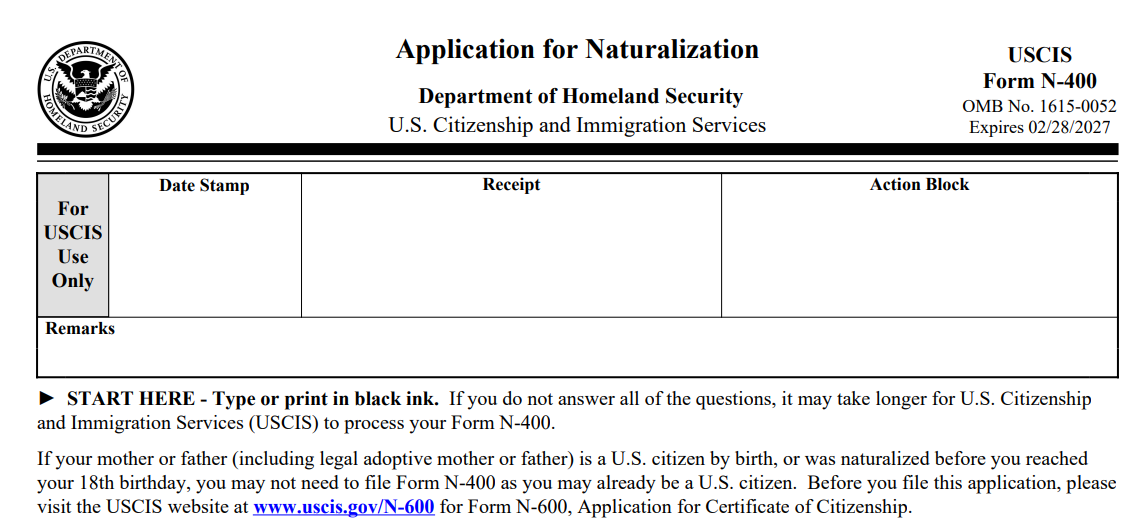
Sometimes, the Department of Homeland Security (DHS) sends this after immigration services, like USCIS, deny your green card or visa application. If they determine you’re not eligible to stay, they can refer your case to ICE to start removal proceedings.
Important: Once you get an NTA, you’re officially in the system. Deportation and removal mean the same thing; both involve the government trying to deport a foreign national from the U.S.
Your first court date is called a Master Calendar Hearing, and it happens at an immigration court (not a criminal court). It’s more like an orientation than a trial.
Here’s what happens:
• You appear before an immigration judge (appointed by the Department of Justice).
• The judge goes over your NTA and asks if you understand the charges.
• You’ll confirm whether you have a lawyer and how you plan to respond to the allegations.
This is where having an immigration attorney from a firm like Hacking Immigration Law, LLC is essential. They’ll help you:
• Decide what to admit or deny
• Identify possible defenses (asylum, family ties, or adjustment of status)
• Protect your due process rights
Tip: Never admit to allegations without legal advice. Once you admit, it’s part of the official record — and that can hurt your case later.
After your first hearing, your case moves forward. But not quickly. The U.S. immigration system is backlogged with millions of pending cases.
According to TRAC Immigration, there are over 3 million active immigration cases as of 2025 — the largest backlog in U.S. history.
That means it can take years before you reach your final individual hearing (your trial). During this time, you might have:
• Multiple short Master Calendar Hearings
• Regular ICE check-ins
• The opportunity to apply for asylum, temporary protected status, or other forms of relief
It’s not unusual for people to live in the U.S. for years while waiting for a final decision.
Your individual (or “merits”) hearing is your trial. This is when the immigration judge hears from both sides and decides whether you can remain in the U.S. or not.
At this stage:
• The government attorney presents reasons you should be deported.
• Your immigration lawyer presents evidence, witnesses, and arguments in your defense.
• The judge weighs both sides and may issue a decision immediately or later in writing.
Common defenses include:
• Asylum: If you fear persecution.
• Cancellation of removal: If you’ve lived in the U.S. for many years and meet specific requirements.
• Adjustment of status (green card): If you qualify through family or marriage.
Each defense requires careful preparation and documentation. And that’s where experienced immigration lawyers like those at Hacking Immigration Law, LLC can help you build the strongest possible case.
Not every deportation goes through the full court process. In some cases, the government uses what’s called expedited removal, a faster version of deportation that skips the usual hearings.
Under the expedited deportation process, immigration officers can remove someone without a judge’s order if:
• They were caught near the border without proper documents
• They entered illegally within the past two years
This process expanded significantly under the Trump administration, giving immigration officers more authority to deport people quickly. While this system is still under legal review, it’s a reminder of how fast things can move and why it’s vital to know your rights.
If ICE detains you during your deportation proceedings, you’ll likely be held in an immigration detention center while waiting for your court date. Some people can request release on bond; others may remain in custody until their case is resolved.
Detention doesn’t mean you’ve lost your case. It just limits your freedom while the case moves forward. Having an attorney can help you request bond hearings, argue for release, and stay connected to your family.
If the judge decides against you, you’ll receive an official order of removal. That means the government has the authority to deport you.
But that doesn’t always mean it’s over:
• You can submit an appeal to the Board of Immigration Appeals within 30 days.
• You can file motions to reconsider or reopen your case if new evidence appears.
• You can request a stay of removal while your appeal is pending.
In some cases, the issue can even reach the Supreme Court, especially when due process or constitutional rights are in question.
The key is not to give up. Immigration law changes constantly, and a skilled attorney can help you find another path forward.
If your appeals are denied, the government may allow you to leave voluntarily instead of being forcibly deported. This is called voluntary departure, and it’s often a better outcome, as it doesn’t carry the same penalties as a formal deportation order.
If you don’t leave voluntarily, ICE will arrange your removal. You may be detained temporarily before being sent back to your home country.
It’s never an easy process, but legal guidance ensures your rights and dignity are respected every step of the way.
Protect your rights and your family. Get professional immigration help today.
The short answer: a long time. Delays come from overloaded immigration courts, a shortage of judges, and administrative backlogs at Homeland Security. Ironically, these delays sometimes help people, giving them time to qualify for new relief options or updated immigration status categories like TPS.
Here’s what you need to do if you get a notice to appear:
1. Don’t ignore it. Missing court means automatic deportation.
2. Call a lawyer immediately. Firms like Hacking Immigration Law, LLC, specialize in defending clients in deportation proceedings.
3. Stay calm and get organized. Gather your visa, work records, identification, and proof of family or community ties.
4. Don’t sign anything without understanding it. Especially if you’re detained, you have rights.
5. Stay informed. Keep up with changes in immigration law and court updates.
The U.S. immigration system is complicated, and the odds are stacked if you try to handle it alone. Studies show that immigrants with attorneys are five times more likely to win their cases than those without one.
That’s why having experienced legal representation, like the team at Hacking Immigration Law, LLC, is essential. They’ve handled thousands of immigration and deportation proceedings across the country, helping clients fight removal, regain legal status, and even reopen old cases.
Whether you’re dealing with a denied green card or a complex expedited removal, their attorneys understand the system and how to protect your rights.
Deportation is one of the most stressful experiences a person can face. Every immigrant, every foreign national, has due process rights under U.S. law.
Remember:
• Deportation begins with a Notice to Appear.
• You’ll face multiple hearings in immigration courts.
• You can appeal, apply for relief, and fight to stay.
With the right preparation, knowledge, and legal support, you can face the process confidently and protect your future in the United States.
If you or a loved one is facing deportation or removal proceedings, contact Hacking Immigration Law, LLC today. Their experienced team of immigration attorneys is ready to help you understand your options, build a strong defense, and stand up for your right to stay in America.