A spouse visa application can be complicated. A trusted lawyer can guide you.
When someone in the U.S. marries a foreign national, they often want to bring their spouse to live with them in the United States. That means the U.S. immigration law is more complicated than just filling out a form.
There are eligibility rules, documentation requirements, timing issues, potential legal risks, and, depending on where you’re processing, consular interviews, additional checks, or delays. It’s the kind of process where one small mistake (or misunderstanding) can lead to major delays, requests for more evidence (RFEs), or even a denial.
That’s why, for many couples, it’s well worth investing in legal guidance from an experienced immigration attorney, like those at Hacking Immigration Law, LLC. Their team specializes in spouse and marriage visas, helping couples to avoid common pitfalls.
Key Takeaways:
• Spouse visa cases are typically manageable, but nuanced. If you meet the eligibility criteria and prepare well, you have a strong chance. But “easy” doesn’t mean “no work required.”
• A specialist immigration attorney increases your odds. Having an experienced immigration attorney familiar with spouse visas, family‑based visas, and potential pitfalls (including prior visa denials) can save you stress, time, and money in the long run.
• Choosing the right immigration attorney matters. Not all immigration attorneys are alike. It’s best to pick one with experience in spouse/ marriage visas and a clear process you understand.
Your spouse deserves a stress-free path to permanent resident status. Get legal help now.
Table of Contents
In U.S. immigration law, when a U.S. citizen (or sometimes a lawful permanent resident) marries someone abroad (or someone present in the U.S.), there are pathways for that spouse to obtain lawful status. Broadly speaking:
• If the U.S. citizen spouse files an immigrant visa petition for their foreign‑nation spouse and the spouse is abroad, the spouse may receive an immigrant visa (e.g., IR‑1 or CR‑1) through the consular process.
• If the spouse is already in the U.S. and eligible, there may be an “adjustment of status” route to permanent resident status.
Important note: Spouse visas are part of the “immediate relatives” category when the petitioner is a U.S. citizen. That’s significant because immediate relative cases aren’t subject to certain annual quota caps.
You’ll generally need to meet several requirements, including but not limited to:
• A valid marriage recognized by law (i.e., the marriage is valid in the jurisdiction where it happens).
• Proof of a bona fide relationship (not entered into just for immigration purposes).
• That the U.S. petitioner is eligible (citizen or lawful permanent resident, depending on category).
• That the foreign spouse (or spouse‑applicant) is admissible (i.e., no disqualifying criminal or immigration history, prior visa denials, etc.).
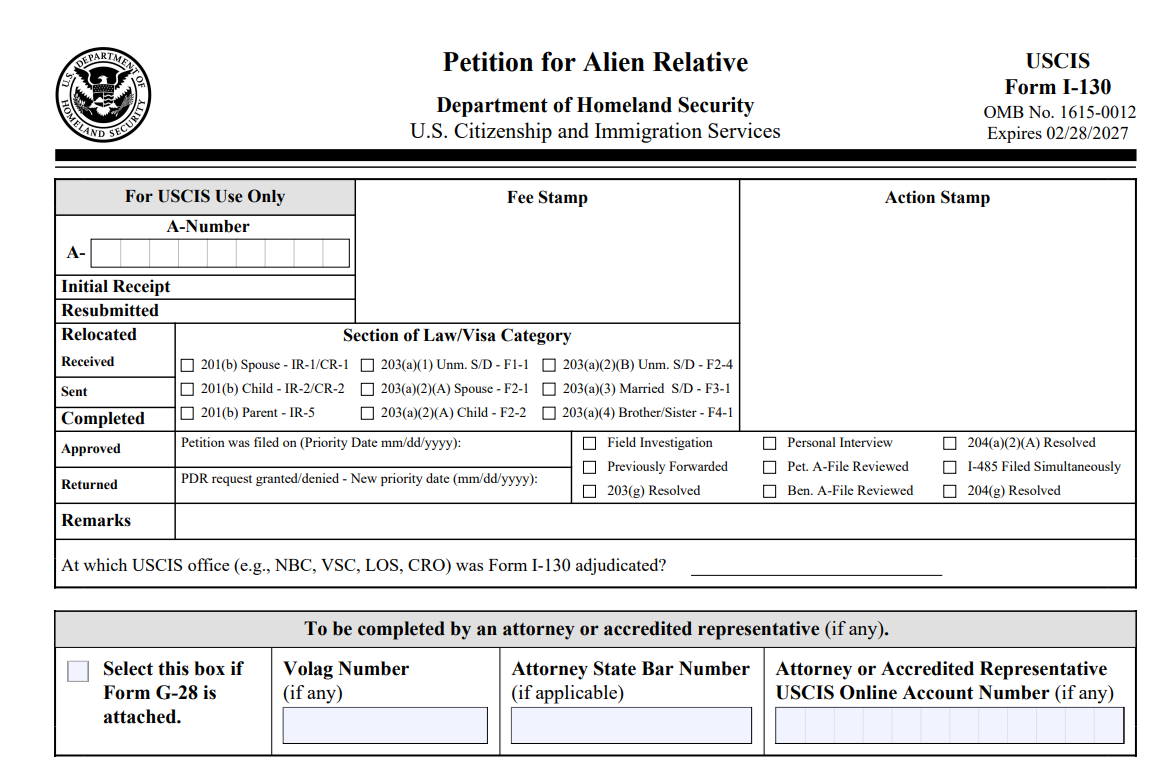
• Proper filing of required forms and supporting documentation (like Form I‑130, perhaps Form I‑485 if adjusting status).
• If processed abroad: attending a consular interview at the National Visa Center, passing a medical exam, background/security checks, etc.
Because the marriage visa route involves both immigration law (petitioner, eligibility) and often consular law (when abroad), it’s more complex than many people expect. That’s why consulting a firm like Hacking Immigration Law, LLC can be invaluable. They help clients navigate the process, prevent errors, and deal with immigration authorities effectively.
At first glance, it might seem straightforward: you’re married, you’re together, you want to live in the U.S. But in practice, there are many moving parts. Here are some reasons it can get tricky:
• Documentation burden: You’ll need to submit marriage certificate(s), evidence of your genuine relationship (joint bank accounts, photos, correspondence, travel together, etc.). If that evidence is weak or missing, the case may stall.
• Admissibility issues: The foreign spouse must clear background checks. Previous unlawful presence, criminal history, prior visa denials, or any issues flagged by immigration authorities can cause complications or even bars to entry.
• Timing and processing variations: Processing times vary depending on service centers, consulates, country of origin, and whether you’re adjusting status inside the U.S. or applying from abroad. Backlogs can occur. (For instance: “Of the 1.2 million immigrants receiving a green card in 2023, 47 % were immediate relatives of U.S. citizens.”)
• Missteps can lead to RFEs or denials: Mistakes such as incomplete forms, missing signatures, inconsistent info between forms and evidence, or poorly documented relationship history can trigger requests for more evidence or cause outright denials.
• Consular dimension (if abroad): If the spouse is abroad, the process adds a consular interview, possible travel, more paperwork, and the risk that the consulate might question the bona fide nature of the marriage.
• Complexity around changing rules: Immigration policy and guidance shift over time. A filing strategy that worked a few years ago may not be optimal now.
Many couples find that even though their case should be “straightforward,” the risk of delay or misunderstanding makes it worth having a professional guide.
One click could save months of waiting and paperwork—speak to a spouse visa lawyer today.
If you’ve ever asked yourself, “Do I need an immigration lawyer for spouse visa applications?”, here’s what an attorney can do for you:
A lawyer will review your marriage history, your spouse’s background, and your prior immigration history. They flag issues early so you avoid delays or denials. They can also advise on the best type of visa to file, making the immigration process after marriage smoother.
Immigration forms are easy to get wrong, and missing evidence can be costly. An attorney ensures that forms are complete and that supporting documents are organized and persuasive. They also help gather photos, communication records, and financial documents to strengthen your case.
Deadlines, form updates, and consular rules change often. A lawyer tracks filings and follow-ups so your case keeps moving. This prevents small mistakes from becoming major problems that could stall approval.
If USCIS or the consulate asks for more documents, an attorney prepares a clear, methodical response. This lowers the chance of denial or further delays. They know what officials look for and how to frame your evidence effectively.
Consular interviews can be nerve-wracking. Lawyers prep the foreign spouse with likely questions and practical tips to present the relationship confidently. They also provide guidance on what documents to bring and how to handle tricky questions.
If your spouse is outside the U.S., the consular process has extra steps and timing issues. An attorney explains travel, visa issuance timelines, and entry requirements so you know what to expect. They can also coordinate communication between you, the consulate, and the National Visa Center.
A good lawyer points out the benefits tied to your petition, like work authorization or steps toward permanent resident status. They help you claim every appropriate advantage and avoid missed opportunities that could slow your immigration journey.
Sometimes complications require formal representation. While most spouse visa cases are handled by USCIS or the Department of State (not in immigration court), an attorney can represent you if any related issues (like removal proceedings or inadmissibility) arise.
For specialized help, consider Hacking Immigration Law, LLC. They offer marriage visa services and can guide you, making your spouse visa journey much easier and less stressful.
When you engage a lawyer who specializes in spouse/marriage visas (and family‑based visas), you gain key advantages:
• Experience with similar cases: They’ve seen what works and what fails. They know typical pitfalls and how consulates or USCIS officers view spouse visa cases.
• Clear communication and process clarity: You’ll get guidance on what docs you need, how long things might take, and what you should expect at each stage.
• Improved confidence and peace of mind: Knowing your case is in professional hands reduces stress, especially when emotions are high (family, spouse abroad, time apart).
• Faster resolution or fewer delays: Well-prepared filings tend to move more smoothly; less risk of RFEs, fewer surprises.
• Higher likelihood of long-term success: Getting the spouse properly in the U.S. legally means fewer future immigration complications (adjustment of status, green card, travel).
If you choose to work with Hacking Immigration Law, here’s how they present their services:
• Marriage Visa Lawyer: Helping couples navigate the emotional and legal complexity of bringing a spouse to the U.S., making the process smoother.
• Family-Based Visa Lawyer: Handling cases where a U.S. citizen or permanent resident wants to bring family members to the U.S., guiding the process.
What this means for you:
• Initial case review: evaluating your marriage, spouse’s eligibility, prior visa denials, and documents.
• Strategy planning: deciding whether you apply through consular processing or adjustment of status, timing, and documentation checklist.
• Document preparation and filing: forms, evidence, submission to USCIS or consulate.
• Monitoring the case: tracking USCIS/consular movements, responding to RFEs or interview requests.
• Interview preparation: preparing your spouse for common questions and how to effectively present the relationship.
• Post-visa steps: entry into the U.S., adjustment of status, clearing the path toward permanent resident status, and eventual citizenship.
Make your spouse’s dream of living together in the U.S. a reality. Book a consultation now.
Now the big question: Is it worth it? In many cases, yes.
Hiring a lawyer is especially worth it:
• If your spouse is abroad and you’re going through consular processing (higher stakes, more moving parts).
• If there are complicating factors: prior immigration violations, criminal history, complex relationship history, prior visas, or prior visa denials.
• If you want to minimize the risk of delay, error, or denial.
• If you need guidance on post-visa steps (adjustment of status, green card, travel, etc.).
• If this is emotionally important, and you prefer to offload the legal details to someone else.
Our honest take: For a spouse visa, because of the emotional and practical stakes, investing in a specialist immigration attorney often pays off. The legal fees may be more than you’d spend doing it solo. But they may save you a lot of time, stress, travel, and risk.
Do you need a spouse visa lawyer?
You don’t always need a lawyer to apply for a spouse visa, but an experienced immigration attorney can help avoid mistakes. Hacking Immigration Law, LLC can guide you through paperwork, deadlines, and complex immigration rules.
How much does a spouse visa lawyer cost?
Spouse visa lawyer fees typically depend on case complexity. Simple applications are cheaper, while cases with prior visa denials or complications cost more.
How long will it take to receive approval for a spouse visa?
Processing times vary by country and visa type, often taking several months to over a year. Delays occur due to application errors or additional requests from immigration authorities.
What kind of questions do they ask for a spouse visa?
Officers usually ask about your relationship, marriage details, and daily life together. They may also ask about finances, future plans, and shared responsibilities to confirm your marriage is genuine.
So, do I need an immigration lawyer for spouse visa applications? While it’s not legally required, it’s a smart decision in most cases. You’ll go through a complex immigration process with personal stakes. Mistakes can cost you time, money, and stress. A specialist lawyer improves your odds of success and gives you peace of mind to focus on your life together rather than the paperwork.
If you’re ready to move forward, reach out to Hacking Immigration Law, LLC for an initial consultation. They can review your unique situation (marriage details, your spouse’s origin, and potential red flags) and advise you on your best path — whether to proceed DIY or with representation.