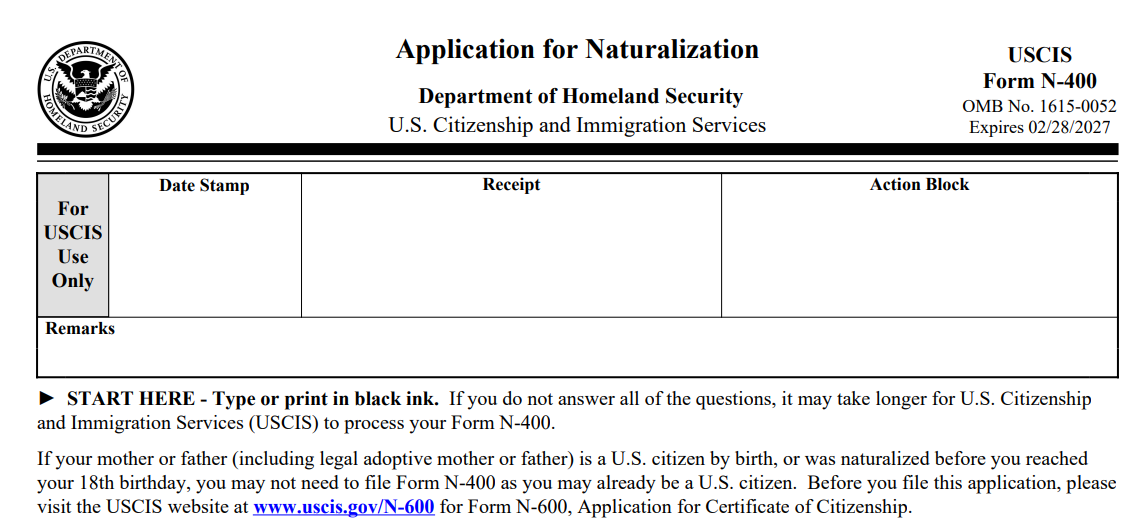
When becoming a U.S. citizen, you promise loyalty to the United States and may need to renounce allegiance to your home country. But you do not have to give up your foreign passport unless required by the laws of your home country.
Learn more about the pledge of allegiance made during U.S. naturalization and its impact on your responsibilities as a U.S. citizen.
What is one promise an individual makes when they become a u.s citizen?
Hi, I'm Jim Hacking, an Immigration Attorney practicing law in St. Louis, Missouri. Many people come to our office and ask us what happens when I become a U.S. citizen. “Do I have to give up my passport to my home country in France, Egypt, or Japan?” What promises do I make when I become a U.S. citizen?” The law says that when you become a U.S. citizen, you renounce any allegiance to your home country.
According to the Migration Policy Institute, about 9 million U.S. citizens hold dual citizenship as of 2023. Dual citizenship is legally recognized by the U.S., but it depends on whether the individual’s home country also permits it.
Key Takeaways:
• When becoming a U.S. citizen, you promise to renounce allegiance to your home country.
• Federal government law does not require you to give up your home country’s passport after naturalization. Some countries, however, may require it.
• Many people find it convenient to hold both a U.S. passport and a passport from their home country, though the rules of that country will apply.
Confused about dual citizenship rules or the naturalization process? Get the answers you need from our experienced immigration team.
Table of Contents

When you become a U.S. citizen, you must take the Oath of Allegiance, which is a formal pledge to the United States. You're going to stand up to a federal judge or an immigration officer, raise your right hand, and promise that if the United States needs you in the future, you will be there for the United States.
This means you are swearing to support and defend the country against all enemies and to be loyal to the United States above all other nations. The promise involves:
• You will fight in the military if you can, and they need you.
• You can perform work of national importance on behalf of the United States.
• You would be there for the United States If there was some kind of struggle between your home country and the United States.
• Your allegiance would be totally and completely to the United States.
That's a basic part of the naturalization process. These solemn promises lead to the legal and symbolic shift that comes with becoming a U.S. citizen.
You can renounce your allegiance to your home country and become a U.S. citizen, and promise that if in the future the United States needs you to help them, you'll help the United States.
Does that mean that you have to give back your passport? Do you can't renew your home passport anymore? Or that you can't use it to enter your home country? The answer to that question is NO. Federal immigration law does not require in the United States that you give up your passport or that you no longer carry that passport from your home country.
Now one thing to keep in mind is that there are certain countries that require you to give up your passport once you become a U.S. citizen. That's more an operation of your home country's law as opposed to federal law.
Becoming a U.S. citizen is more than a legal process—it’s a pledge of loyalty. Discover what’s involved by hiring an immigration lawyer.
I had an interesting moment during a recent naturalization ceremony in St. Louis that sheds light on this issue. The federal judge who was going to swear everybody in was running a little bit late and so one of the immigration officers from St. Louis was fielding questions from people who were about to become U.S. citizens. Someone asked this very question. She said that simply the United States doesn't have the resources to figure out if people are, in fact, using both their US passport and their home country passport.
This struck me as funny because so many people come to our office and say, "Jim, I want to become a U.S. citizen." Or they just say, "Jim, I want to get that US passport." A lot of people really like having that US passport, but they also really like having their home country passport. They don't want to give that up. It makes it easier to enter into the home country. There are several reasons why people like to keep their passports, and the answer is you can do it. Be happy about that if that's something that is important to you.
Becoming a U.S. citizen is a life-changing decision with legal and personal consequences. The promises made during naturalization are loyalty, national service, and commitment to the United States. But this does not automatically mean you must give up your foreign passport unless required by your home country.
If you have any questions about becoming a U.S. citizen, navigating U.S. Citizenship and Immigration Services, or keeping your passport from your home country, give us a call at 314-961-8200. For any further questions or to discuss your immigration journey, you can email [email protected]. And don't forget to like and subscribe to stay updated on the latest immigration news!