Deferred inspection is a process where a foreign national is allowed entry into the United States despite a documentation or admissibility issue that cannot be resolved immediately at the port of entry. Instead of an immediate decision, the arriving traveler is issued a Form I-546, Order to Appear-Deferred inspection, requiring them to report to a designated deferred inspection location at a future date to present the necessary documentation to a Customs & Border Patrol officer.
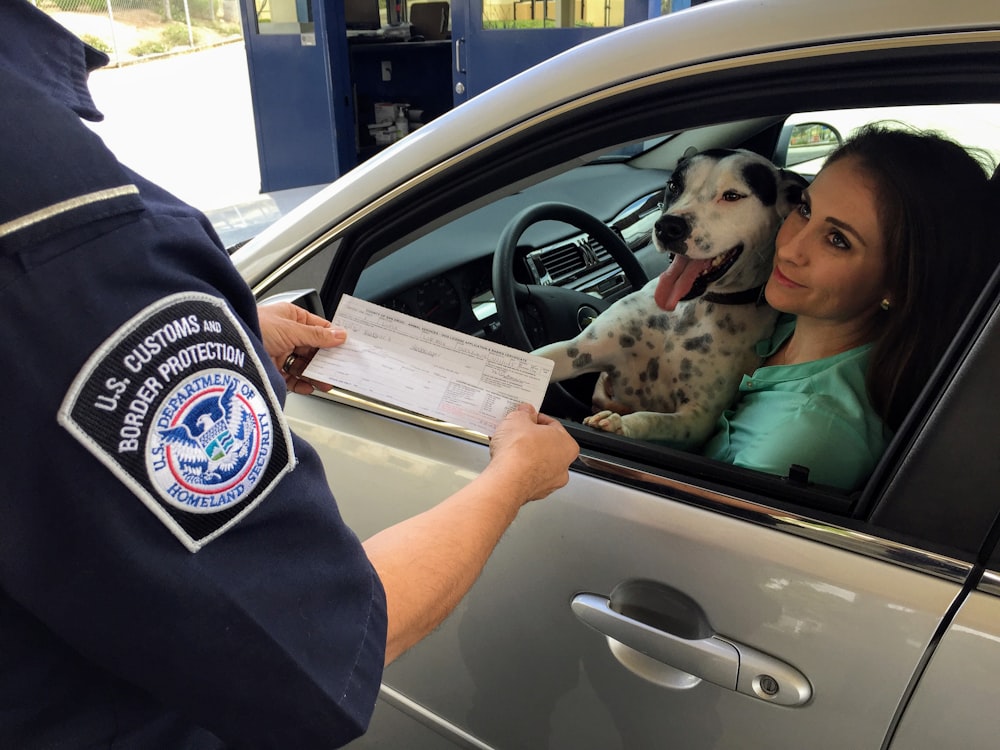
When you arrive at a United States port of entry, and the inspector from Customs & Border Patrol cannot determine whether you are admissible, you may be granted a deferred inspection.
Key takeaways
• Deferred inspection means CBP is giving you more time to provide missing documents or resolve an issue before making a final decision about whether you can enter the United States. You will be asked to report to a CBP office later with the required paperwork.
• You must appear for deferred inspection at the scheduled time of entry or appointment date; failure to do so can lead to removal proceedings.
• While you must request permission to have an attorney present, consulting one before your deferred inspection appointment is vital to protect your immigration status.
Table of Contents
Deferred inspection is often given to noncitizens when they do not have the actual document or necessary documents needed to prove that they should be allowed to enter the United States. A border protection officer or inspector will decide to grant deferred inspection on a case-by-case basis using several criteria:
• The likelihood that you will be able to establish admissibility
• The types of documents that you are missing, and your ability to get those documents
• Whether you made a good faith effort to get the needed documents before you got to the United States
• Whether they can verify your identity and nationality
• Your age, health, and family ties to the United States
• Other humanitarian considerations
• The likelihood that you would appear for deferred inspection
• The type of inadmissibility at issue (including criminal history or security-related concerns)
• The danger to society if you were allowed entry into the United States
If the inspector or CBP officer thinks that you might be found inadmissible because of criminal activity or thinks you may be a security risk, they will place you in expedited removal proceedings or allow you to withdraw your application for admission to avoid a removal order from an immigration court.
If you are granted deferred inspection, the inspector will give you an I-546 Form (Order to Appear-Deferred Inspection), which will tell you when you must appear for deferred inspections. It also lists what documents you need to bring with you.
There are over 70 deferred inspection sites. You can find the one closest to you by viewing all of the deferred inspection sites here. The St. Louis deferred inspection site is at Lambert-St. Louis International Airport in the East Terminal at Room E-1201, St. Louis, MO 63145.
A port of entry may often issue arrival documents with mistakes. A deferred inspection site staff member can assist if you need to remedy errors on arrival documents issued at the time of entry. This includes a possible correction for:
• Inaccurate biographical information.
• An incorrect period of admission.
• Improper non-immigrant classification.
• Issues with an admission stamp, parole card, or a mutilated crewman's landing permit.
Whether you’re a lawful permanent resident (green card holder) or traveling on a visa, it is vital that your legal status and corresponding endorsements are accurate to ensure you receive future immigration benefits from U.S. Citizenship and Immigration Services.
Please know that you have to show up when you are scheduled for a deferred inspection. If you do not, you will be put in removal proceedings. You are allowed to bring a lawyer with you to the CBP office if you get permission from the specific CBP office located at that port.
An immigration specialist from Hacking Immigration Law, LLC will be able to tell you what to expect from your deferred inspection appointment and review your case to see if you have any reason to be concerned.
Can I correct my I-94 at any CBP office?
No. To remedy errors recorded on your arrival documents, you must contact a designated deferred inspection location. The deferred inspection site staff are specifically authorized to only correct errors made by CBP at the time of entry.
What happens if I am found inadmissible during the inspection?
If a border protection officer determines you are inadmissible, they may initiate expedited removal or require you to appear in immigration court. Having an attorney review your documents before the deferred inspection appointment is the best way to avoid this.
Is a green card holder subject to deferred inspection?
Yes. A green card holder can be scheduled for a deferred inspection if there are questions about their criminal history or if they have been outside the U.S. for a period that raises concerns about their legal status.
What should I bring to my deferred inspection appointment?
You should bring your Form I-546, your passport, the actual document that needs possible correction, and any other necessary documentation that helps establish admissibility or proves your correct immigration status.
If you have been scheduled for an appointment and would like to speak with an experienced immigration attorney, contact Hacking Immigration Law, LLC today at 314-961-8200 or via our online contact form. We can help you correct errors and ensure you have the necessary documents to protect your immigration status in the United States relating to your entry.