One question we're hearing more often from immigrants is: "Can USCIS go back and review an old case that was already approved?" The short answer is yes.
Many immigrants believe that once an application is approved, the case is permanently settled. Unfortunately, that is not always true.
Hi, I'm Jim Hacking, an immigration lawyer practicing throughout the United States. Today's question comes from Ani, who asked whether USCIS would go back and review an old asylum application if she later applied for a green card through marriage or another category.
Over the past several years, U.S. Citizenship and Immigration Services (USCIS) has increasingly reviewed approved immigration cases, including green cards, asylum applications, adjustment of status applications, and even naturalization cases. As a result, individuals who thought their immigration history was behind them are finding that old applications are being revisited years later.
Key Takeaways:
• Even if a case was filed years ago or already approved, USCIS may revisit it when reviewing a green card, citizenship, or another immigration benefit.
• Officers often compare information from past applications against current filings and may investigate discrepancies.
• If you have concerns about prior applications, asylum filings, visa petitions, or previous immigration benefits, consulting with an experienced immigration attorney before filing can help prevent surprises.
Don't wait until USCIS raises questions. Understanding your immigration history before filing can help avoid costly mistakes.
Table of Contents
Many people assume that once an immigration application is approved, USCIS moves on.
In reality, USCIS maintains extensive records on every immigration filing. When you submit a new application, officers often review your entire immigration history, including:
• Previous visa applications
• Asylum applications
• Green card petitions
• Employment-based petitions
• Adjustment of status filings
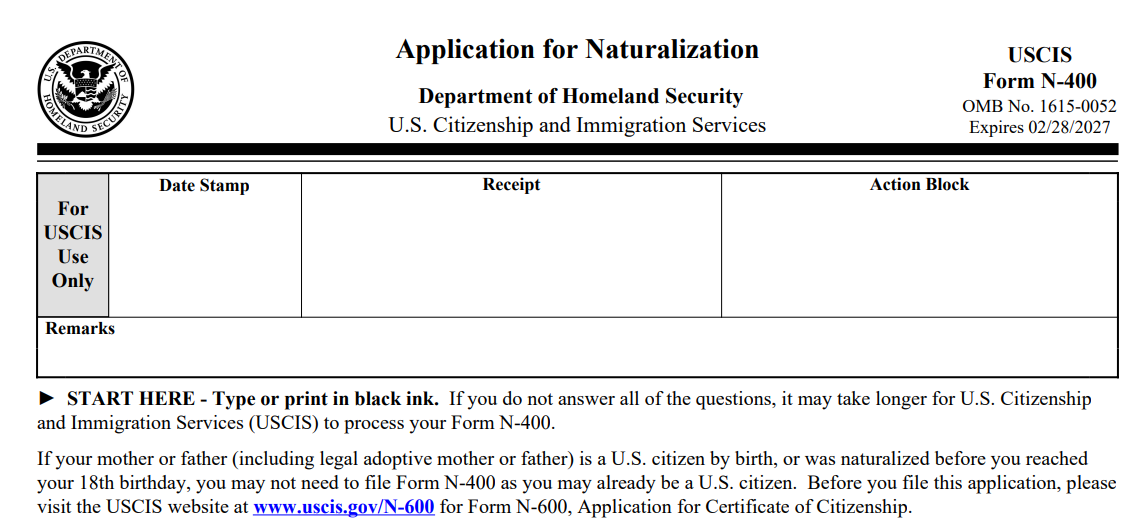
• Naturalization applications
• Travel records
• Prior interviews
• Statements made to immigration officers
USCIS officers frequently compare information from older filings against current applications to ensure consistency and accuracy. If they discover discrepancies, they may request additional evidence, schedule an interview, issue a Notice of Intent to Deny (NOID), or, in some situations, begin proceedings to revoke a previously granted benefit.
These reviews can occur before the final adjudication of new applications or while USCIS evaluates additional benefit requests submitted by the applicant.
In recent years, USCIS has expanded its review of previously approved immigration cases as part of broader enforcement and fraud-detection initiatives.
One reason for this increased scrutiny is a USCIS policy memorandum issued on May 25, 2025. Under this guidance, officers reviewing Adjustment of Status (AOS) applications are instructed to carefully examine an applicant's prior immigration filings and supporting records before deciding whether the applicant is eligible for permanent residence.
Rather than looking only at the current application, officers may review earlier petitions, asylum applications, visa filings, interviews, and other records to identify inconsistencies or issues that could affect eligibility.
Cases receiving increased scrutiny include:
| Immigration Benefit | Potential Review Areas |
| Green Cards | Eligibility, prior statements, fraud concerns |
| H-1B Petitions | Employer compliance, qualifications |
| Naturalization Applications | Good moral character, prior eligibility |
| Asylum Cases | Credibility findings, supporting evidence |
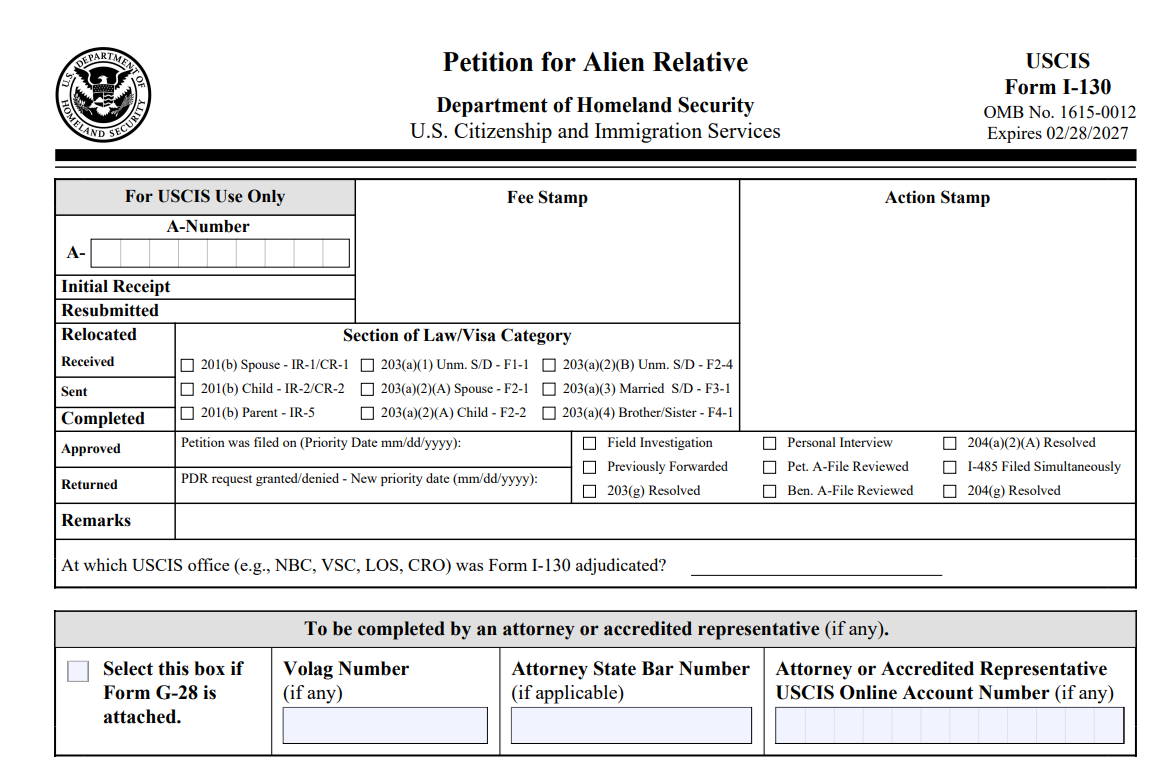
| Marriage-Based Cases | Relationship evidence and prior filings |
USCIS may revisit an older approval when:
• New information becomes available
• Background checks reveal discrepancies
• Information conflicts with current applications
• Fraud indicators are identified
• Records from multiple agencies do not match
• A person applies for citizenship after obtaining permanent residency
As part of the Department of Homeland Security, they expanded efforts to detect immigration fraud, verify eligibility, and protect national security. Officers may review whether the applicant properly obtained lawful permanent residence before determining eligibility for naturalization.
We've recently seen cases in which USCIS, while reviewing a naturalization application, went back to examine asylum records, visa applications, and adjustment-of-status filings.
I've had situations lately where people have applied for citizenship, and USCIS has gone back to look at the asylum case. Until a few years ago, the Asylum Office operated separately from the rest of USCIS.
Today, officers are more likely to revisit old asylum files, especially when reviewing applications for green cards or citizenship. They could try to use a frivolous asylum case, or one they claim is frivolous, as a basis for denying you a green card.
And that's true whether the Asylum Office granted the asylum or whether an immigration judge granted the asylum. So people who received asylum in the United States, or even those who applied for it, can be looked at with greater scrutiny. And it's not just asylum.
If you're applying for a green card now, or for citizenship, they're reviewing your entire immigration file. They're looking over every single piece of paper, every application you made. They're looking for problems. They're looking for check boxes that you might've checked incorrectly, and that can be on an old student visa. It can be on an old visit visa. It can be on anything you gave to the State Department, USCIS, or Customs and Border Protection.
They may also evaluate whether the original claim contained significant inconsistencies. This is especially common when an applicant seeks to register permanent residence or maintain lawful permanent resident status through adjustment of status or other immigration process.
If you learn that USCIS is revisiting a previously approved case, do not panic.
There are several practical steps you can take.
Review all immigration applications submitted in the past, including:
• Asylum applications
• Green card filings
• Visa applications
• Employment petitions
• Citizenship paperwork
This is particularly important for applicants with employment-based or family-based cases that may have involved priority dates tracked through the visa bulletin.
Compare:
• Dates
• Addresses
• Employment history
• Travel history
• Family information
Even minor discrepancies can trigger questions.
Collect evidence that supports both prior and current filings, including:
• Passport Copies
• Prior Visa Applications
• Green Card Records
• Employment Records
• Tax Returns
• Marriage Documents
• Court Records (if applicable)
• Asylum Applications
• USCIS Approval Notices
• Previous RFEs and Responses
If you're preparing for a green card application or Adjustment of Status, having the right documentation from the beginning can make the process much smoother. Our comprehensive Green Card Evidence Guide explains the types of evidence USCIS commonly reviews and how to organize your supporting documents before you file.
If USCIS issues a Request for Evidence or Notice of Intent to Deny (NOID), timely action is critical.
If your immigration history contains:
• Prior asylum filings
• Previous denials
• Misrepresentation concerns
• Inconsistent information
• Complex immigration issues
If USCIS is reviewing an old approval, questioning a prior asylum application, or requesting additional information about a previously approved case, it is important to understand your options. Our team helps immigrants navigate complex USCIS reviews, NOIDs, RFEs, green card applications, and naturalization cases.
Our attorneys regularly help clients address:
• USCIS case reviews
• Requests for Evidence
• Green card applications
• Naturalization issues
• Prior asylum filings
• Complex immigration histories
Don't wait until a problem becomes a denial. Speak with an experienced immigration attorney..
What happens when USCIS reviews an old approval?
USCIS may request prior records, compare information across applications, review supporting documentation, and determine whether any issues affect eligibility for a current benefit.
Can USCIS revoke an approved green card?
In some situations, yes. If USCIS discovers fraud, material misrepresentation, or other serious eligibility issues, the agency may pursue rescission or removal proceedings. These situations are highly fact-specific and often require legal assistance.
How long does USCIS take to review old cases?
There is no standard timeline. Reviews can take several weeks, months, or longer, depending on the complexity of the case, the age of the records, and whether additional evidence is requested.
Can USCIS review my asylum application years later?
Yes. We've seen situations where USCIS reviews asylum filings many years after submission, particularly when a person later applies for a green card or U.S. citizenship.
Does USCIS look at every immigration application I've ever filed?
In many cases, officers review the applicant's entire immigration history, including prior visa applications, petitions, asylum filings, adjustment of status applications, and naturalization records.
USCIS is increasingly reviewing previously approved cases, particularly when individuals apply for additional immigration benefits through family-based, employment-based, or other immigration services.
Whether your asylum case was approved, denied, or never adjudicated, USCIS may revisit those records and compare them against your current filings.
The best approach is preparation. Review your immigration history carefully, gather supporting documents, and seek legal guidance if there are any issues about prior applications or approvals.
If you have questions about USCIS reviewing old cases or previously approved immigration benefits, contact Hacking Immigration Law to discuss your situation. You might want to give us a call at 314-961-8200 or email us at [email protected]. Be sure to join us in our Facebook group, Immigrant Home. And for this video, please share it on social for us and subscribe to our YouTube channel so you get updates whenever we make videos, just like this one. Thanks a lot. Have a great day.