Yes, asylum seekers can travel outside the U.S., but it's generally not recommended, especially if they plan to visit their home country. Traveling without proper documentation can lead to complications and potential denial of reentry. Learn more about the intricacies and tips for safe travel in this guide.

Can I travel with a pending asylum status? This is a common question for most immigrants.
Sometimes, asylum cases take a very long time to process. The initial interview may be a year or more away. Asylum applicants sometimes get anxious about remaining in the United States for a long time and ask us - can asylum seekers travel?
Learn more about:
• How to check your pending asylum status
• Travel restrictions for pending asylum application
• How experienced immigration attorneys can help
Ensure a smooth travel with expert guidance.
Table of Contents
When you have a pending asylum case, it’s best not to travel outside the United States at all costs. Whether your application is with the immigration judge or the asylum office, travel needs extreme caution and accurate documentation.
You could lose your immigration status, get your case denied, or have problems when you re-enter the country if you leave the U.S. without the right authorization.
When your case is still up for review, whether you’re waiting for the asylum interview or a hearing before the immigration judge, you must not travel out of the country with your home-country passport.
Traveling at this tricky time can make the government think you’re not afraid of persecution anymore, or you can return home safely. The asylum officer might also question your credibility and eligibility for protection.
Travel is risky because:
• Leaving without proper authorization can stop your asylum process entirely.
• Re-entry is not guaranteed, especially if you face inadmissibility grounds, such as visa overstays or a criminal history.
• You may miss your interview notice or hearing date.
• Authorities may think you’ve abandoned your asylum case.
• A departure may restart the immigration timeline or put you in removal proceedings.
Should travel be unavoidable, apply for a refugee travel document before leaving the U.S. This is a safe way for asylum applicants like you to pursue limited international travel capacity without disregarding your case.
Prepare the following documents:
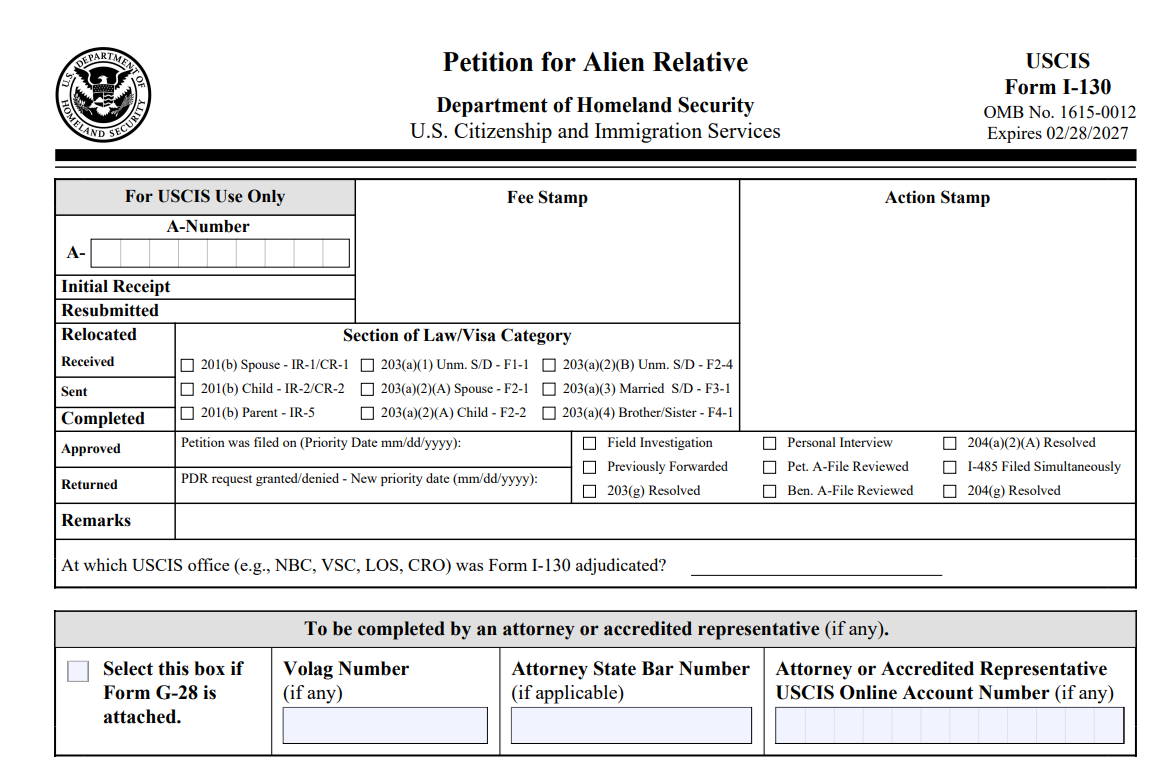
• Form I-131 (Application for Travel Document)
• Copies of your pending asylum receipt, proof of ongoing case, or work permit.
• A valid reason for your trip, such as medical emergencies or critical issues involving family members.
Once approved, you can temporarily leave the U.S., but always exercise caution. Even if you have a travel document, the Customs and Border Protection can still deny you re-entry if they think you’re inadmissible.
International travel becomes easier once you’ve won asylum. You can safely visit many countries with a refugee travel document, except for the one you’ve sought protection from. After a year, you can apply for a green card and later, U.S. citizenship. Reunite with family members with a stable immigration status as you keep building your life in the U.S.
People who have been persecuted or fear persecution in their country might seek safety and move abroad by applying for asylum. In simple terms, it’s a type of protection.
Temporary protection is granted to asylum applicants until the processing of their application.
Here are ways to check your asylum status in the United States:
Note: It may take some time to receive a decision on your asylum application.
If your application for asylum is pending, and you are thinking about leaving the U.S., you need to think about a few things.
The United States Citizenship and Immigration Services (USCIS) does not explicitly prohibit asylum applicants from leaving the U.S. while their application is pending. However, you must file an I-131 application for advance parole and have that application approved BEFORE you leave the U.S.
If you leave the U.S. without obtaining advance parole, you will most likely be deemed to have abandoned the asylum application. You may not be able to re-enter the U.S.
You should file your advance parole application at least three months before you intend to travel. It usually makes sense to request advance parole shortly after applying for asylum, as you never know when you may need to leave the country quickly.
Leaving the U.S. should be avoided if at all possible. Even with a pending asylum application, if you have inadmissibility grounds - such as a visa overstay or criminal history - you may not be allowed to return.
Finally, the most important thing about asylum and travel is that you CANNOT return to the country that you are claiming in the asylum application, which would persecute you if you were to return. This would not only be fatal to the asylum application, but it would also open you up to a possible claim of immigration fraud.
If you have applied for asylum, be sure to notify the immigration court or USCIS for more updates.
While individuals who apply for asylum might be tempted to seek unconventional means, it’s best to consider the serious legal consequences of such actions.
Before making any travel decisions, it’s important to consult with an experienced immigration attorney like Hacking Immigration Law, LLC. Our team of experts can guide and protect your asylum status.
Contact us today to evaluate your travel options before you are granted asylum. Ensure your asylum journey remains on track with Hacking Immigration Law, LLC.