President-elect Donald Trump's proposed immigration policies, articulated during his 2024 campaign, are poised to significantly reshape the U.S. immigration landscape. These initiatives, expected to be introduced early in his administration, aim to implement stringent measures affecting a broad spectrum of immigrants.

The "Trump Immigration Bill" is a term often used to describe the legislative and policy initiatives proposed or supported by Donald Trump during his first term as president and campaign for re-election. It generally refers to a set of legislative and executive actions aimed at reshaping U.S. immigration policy.
With promises of unprecedented federal immigration enforcement and sweeping changes to legal immigration, these proposals are poised to significantly impact millions of people. Here's what you need to know about his immigration plans, their implications, and how they might reshape the U.S. immigration landscape.
Key Takeaways:
• President-elect Trump proposes changes that encompass stricter enforcement measures, potential policy reversals, and the introduction of new legislative initiatives.
• Controversial proposals like ending birthright citizenship will likely face significant legal challenges.
• Immigration attorneys play a crucial role in navigating policy changes. They can protect rights and explore legal pathways for immigrants.
Don’t let the complexities of Trump-era immigration policies hold you back.
Hire St. Louis Immigration Lawyers
Table of Contents
One of the key proposals during the Trump administration was the Reforming American Immigration for a Strong Economy (RAISE) Act, introduced in August 2017. The bill sought to:
• Reduce Legal Immigration by 50%. The legislation aimed to halve the number of green cards issued annually.
• End the Diversity Visa Lottery. This program provided green cards to individuals from countries with the lowest immigration levels to the U.S.
• Cap Refugee Admissions. Refugee admissions would be limited to 50,000 per year, a significant reduction from prior levels.
Supporters of the RAISE Act argued that it would prioritize highly skilled immigrants and protect American workers by reducing competition for jobs. However, critics highlighted its potential negative economic and social impacts.
Despite its introduction and support from key Republican figures, the RAISE Act failed to gain significant traction. It did not receive a vote in the Senate. A separate immigration-restricting bill, supported by then-President Trump, Senators Tom Cotton, and David Perdue, was also defeated ( 39–60 vote) in the Senate.
As Trump prepares for another term as President of the United States, immigration reform is once again at the forefront of his federal government agenda. Here are some of the key proposals under his immigration policy:
Trump has pledged to initiate the largest deportation operation in U.S. history. And it's targeting undocumented immigrants. Using measures such as the Alien Enemies Act, he plans to deploy resources, including the National Guard, to expedite the removal process.
Additionally, the construction and expansion of the U.S.-Mexico border wall remain a priority. There will also be tighter border surveillance. And most importantly, he will be reviving strict policies like "Remain in Mexico."
Trump has committed to ending programs introduced by the Biden administration. This includes pathways for migrants from specific countries like Cuba and Haiti. Visa backlogs, country quotas, and re-entry bans due to unlawful presence laws would make it harder for individuals to rejoin family members legally in the U.S.
One of Trump’s most controversial proposals is the elimination of birthright citizenship for children born to undocumented immigrants. While this requires a reinterpretation of the 14th Amendment, it is likely to face significant legal and political challenges.
Trump plans to expand travel bans on additional countries. He will also re-introduce "ideological screenings" to bar individuals deemed to hold extremist or dangerous views. Critics argue this could lead to increased discrimination against immigrants based on nationality and beliefs.
The administration intends to revoke TPS for certain countries. This will affect immigrants who have been granted temporary refuge due to conditions in their home countries. It could also lead to the displacement of individuals who have established lives in the U.S.

1. Undocumented Immigrants. Approximately 13-14 million individuals residing in the U.S. without legal status are at risk of deportation. Many have lived in the country for over a decade and are integral to the workforce.
2. Mixed-Status Families. Families with members of varying immigration statuses, including U.S. citizens, may face separations. This is primarily due to enforcement actions affecting millions nationwide.
3. DACA and TPS Recipients. Individuals granted with temporary relief from deportation may lose their protections. This will lead to legal uncertainty and potential removal.
Trump-era immigration policies are tough, but you don’t have to face them alone.
The rationale behind the Trump administration's immigration policies stems from a combination of national security concerns, economic priorities, and political ideology.
Trump has repeatedly emphasized the need for strong borders to protect the U.S. from perceived threats. This includes terrorism, drug trafficking, and gang violence. Proponents of his policies argue that stricter border controls and deportations can reduce crime and enhance national security.
• Border wall and surveillance. The physical barrier along the U.S.-Mexico border and increased surveillance are framed as tools to prevent illegal crossings. This will also help curb the flow of drugs and contraband.•
• Targeting criminals. Mass deportation campaigns have been justified as a way to remove individuals with criminal records or those deemed threats to public safety.
The administration claims that limiting both legal and illegal immigration helps protect American jobs. It will also reduce competition in the labor market. The argument often centers around the belief that fewer immigrants mean more job opportunities and higher wages for U.S. citizens.
• Merit-based immigration. By shifting to a system that prioritizes skilled workers, the administration aims to address labor shortages in specialized industries while reducing reliance on low-skill immigrant labor.
• Public charge rule. Policies restricting green cards for those who might use public benefits are intended to prevent immigrants from becoming financial burdens on the U.S. economy.
Some elements of Trump’s immigration rhetoric appeal to concerns about preserving what is often described as "American values" or cultural identity. Critics argue that this rationale may reflect underlying xenophobic sentiments. Meanwhile, supporters see it as an effort to maintain national cohesion and integration.
By imposing harsher penalties and eliminating pathways like DACA and TPS, the administration seeks to deter future unauthorized migration. The goal is to create a clear message that illegal entry into the U.S. will not be tolerated and will have huge consequences.
Immigration has long been a divisive issue in American politics. And the Trump administration has leveraged this to galvanize its base. Policies emphasizing strict enforcement and border security appeal to voters who prioritize law and order and support reducing immigration levels.
Trump’s proposed immigration policies, if implemented, could have far-reaching effects on families, communities, and the U.S. economy.
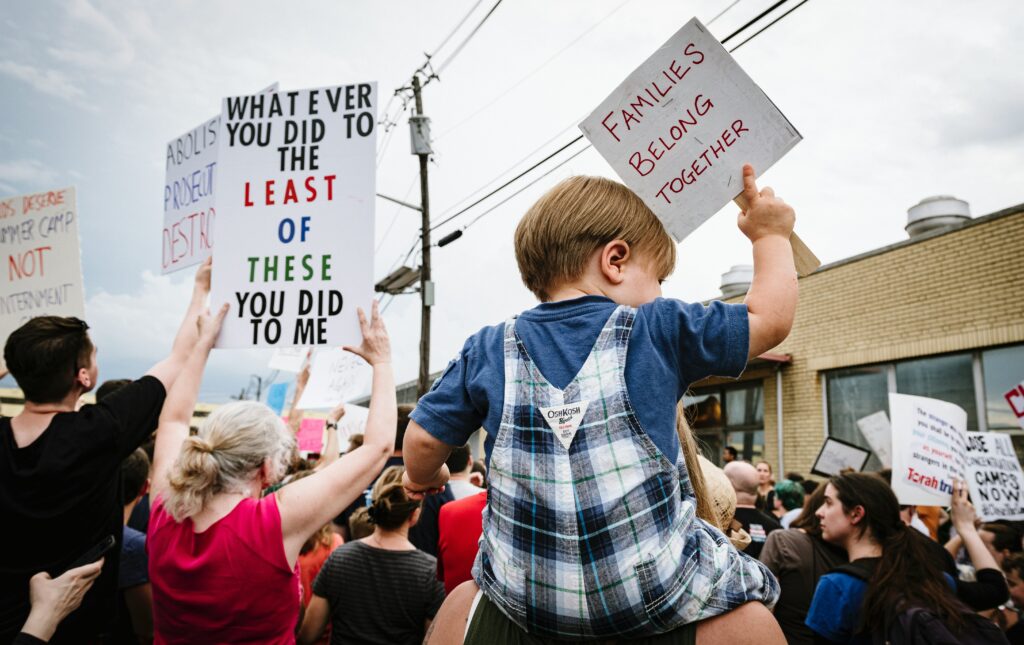
Here’s a closer look at the potential consequences:
Mass deportations could result in the removal of millions of people. This includes long-term residents who have built lives, families, and businesses in the U.S. This could lead to:
• Family separations. Many undocumented immigrants live in mixed-status families. Deportations could result in U.S.-born children being separated from their parents.
• Economic disruption. Undocumented workers play vital roles in industries such as agriculture, construction, and hospitality. Removing them could lead to labor shortages and economic instability.
Restrictive policies, such as ending Biden-era pathways and reducing the number of visas, would slow family reunifications. This will also reduce opportunities for skilled workers to immigrate to the U.S.
Over time, this could hinder economic growth and innovation in industries that rely on foreign talent.
Policies like expanded travel bans and ideological screenings may strain U.S. relations with affected nations. Countries barred under such bans may retaliate diplomatically, economically, or both. Ultimately, this could create broader geopolitical tensions.
The "Remain in Mexico" policy, combined with reduced asylum opportunities, could put vulnerable individuals—fleeing violence, persecution, or natural disasters—at greater risk. Refugees and asylum seekers might face dire conditions as they wait for uncertain outcomes.
Proposals like ending birthright citizenship will face strong constitutional challenges. The 14th Amendment guarantees citizenship to all individuals born on U.S. soil. Legal battles could delay or halt such policies. Eventually, this will create prolonged uncertainty for affected families.
During his presidency, Trump supported various legislative efforts aimed at codifying these policies. However, most did not gain sufficient traction in Congress. Instead, many of these measures were implemented through executive orders and administrative actions.
With his upcoming second term, Trump plans to sign several executive orders to implement these changes quickly. These orders will focus on mass deportations and border security measures.
Additionally, the administration is pushing for Republicans in Congress to prioritize these immigration measures as part of a budget reconciliation package. This would allow them to pass without needing Democratic support.
Stay ahead of policy shifts and secure your future.
In this challenging environment, immigration attorneys are vital allies for individuals and families navigating these changes. Here’s how lawyers at Hacking Immigration Law, LCC can help:
Our immigration attorneys provide expert representation in deportation cases. We help our clients present their best defense in immigration courts. We fight to protect your rights and prevent unjust removals.
With policies shifting rapidly, we can help you better understand how changes affect your immigration status. We offer personalized advice on pathways to legal residency or citizenship.
We ensure that asylum claims, green card applications, and other legal paperwork are accurately completed and submitted. This will help reduce the risk of denials due to errors or omissions.
We work with advocacy organizations to challenge policies that are discriminatory or inhumane. By filing lawsuits and raising awareness, we help shape a fairer immigration system.
As the immigration debate intensifies, those affected by these policies need to stay informed and proactive. Consulting with immigration attorneys is essential for protecting your rights and exploring options for legal status.
The proposed changes underscore the importance of legislative and judicial oversight. This helps ensure that immigration policies align with constitutional protections and humanitarian values. As these proposals unfold, they will shape not only the lives of immigrants but also the fabric of American society.
If you are facing uncertainties about your immigration status, now is the time to seek legal advice. You must plan for potential changes and advocate for compassionate, inclusive policies that reflect America’s foundational values.