The E-2 visa is generally granted in increments of up to two years. Fortunately, E-2 status can be renewed or extended indefinitely, provided that the business remains active and meets the requirements. Here are the two main paths on how to renew an E-2 Visa.
You have successfully obtained an E-2 visa – congratulations! You can now live and run your business in the U.S. However, remember that E-2 visas aren’t permanent. They are typically granted for up to two years at a time, with the option to renew indefinitely as long as the business is running.
Unlike some visas, there’s no strict limit on the number of times you can renew an E-2. However, you should initiate the renewal process 3–6 months prior to the expiration of your current visa. This allows for processing time and accounts for any backlogs. US law actually encourages early renewal to avoid lapses.
Key Takeaways
• Start your E-2 visa renewal process early.
• Document real business performance — don’t rely on promises.
• Show non-marginality and economic impact.
• Anticipate requests for extra evidence and be transparent about ownership changes or business pivots.
An E-2 visa lawyer creates a realistic timeline, recommends whether to file with USCIS or renew at a consulate, and avoids last-minute mistakes that cause delays or travel complications.
Table of Contents
If you will travel outside the U.S., you must apply for a new E-2 visa stamp at a U.S. consulate abroad. This is essentially a new visa application (Form DS-160, pay the fee, and undergo an interview). It’s ideal if your current visa is expiring and you need a visa stamp to re-enter the U.S. in the future.
It works like this:
Complete the online DS-160 visa application and print the confirmation.
Pay the renewal fee and book an appointment at the U.S. embassy/consulate in your home country. (A spouse/child each needs their own DS-160 and appointment.)
Gather your passport, current E-2 visa, and supporting evidence, which includes:
• updated business plan
• financial documents (bank statements, profit & loss statements, tax returns) showing the business’s success
• proof of your continued role
USCIS (and consular officers) will want proof of ongoing substantial investment funds and business viability.
Go to the interview. A consular officer will review your case, much like last time. If all is well, they issue a new visa stamp, usually valid for up to 2 years.
If you are inside the U.S. and simply want to stay longer without traveling, you can extend your E-2 status by filing a petition with USCIS. Specifically, you file Form I-129, Petition for a Nonimmigrant Worker, marked as an E-2 extension of stay. This avoids leaving the country.
The steps are:
Complete Form I-129 and the Supplement E (for E visa). This is the same form that an employer would file for you, but E-2 petitions often are self-filed (owner filing for themselves) or by an authorized agent.
Submit proof that the business and investment still meet E-2 criteria. This includes:
• updated IRS business tax returns
• profit and loss statements
• bank statements showing funds invested
• payroll records if you employ U.S. workers
• your resume (showing your role)
• an updated business plan
Essentially, do the same documentation you did initially. The bottom line is you must prove that the enterprise is alive and thriving.
Mail the petition package (including the filing fee) to the appropriate USCIS Service Center.
If you need a decision quickly, you can pay for Premium Processing to get an answer in ~15 days. Otherwise, regular processing takes a month or two.
USCIS will review and often approve if everything checks out. Unlike a new visa, USCIS does not require another interview for E-2 extensions, so you won’t have to leave the U.S. for this process. If approved, you’ll receive an updated Form I-94 showing your extended stay, typically another 2 years from the date of expiration.
Don’t leave a renewal to chance; consult an immigration attorney early so you keep your business running and your status secure.
In any renewal, you must demonstrate active involvement and business success. USCIS and consular officers will look for:
Your enterprise has received ongoing funds (no major withdrawals). If you took money out, show reinvestment or a reason why it was needed.
The company is active and profitable (or at least viable). Provide recent profit/loss and tax statements. USCIS will scrutinize whether the business still meets the “non-marginal” standard. This means it’s generating more than just a minimal living.
Show that the business employs U.S. workers or has the potential to do so. This strengthens the case.
You remain key to the business, traveling to the U.S. frequently or working here. If you’ve been abroad too much, an officer may worry you’re not directing the company.
Gather as many evidentiary documents as you can. Common pieces include:
• USCIS Forms & Passport: I-129 (with Supplement E) or DS-160 confirmation, valid passport, old I-94, and visa.
• Updated Business Plan: Explain recent progress and future plans.
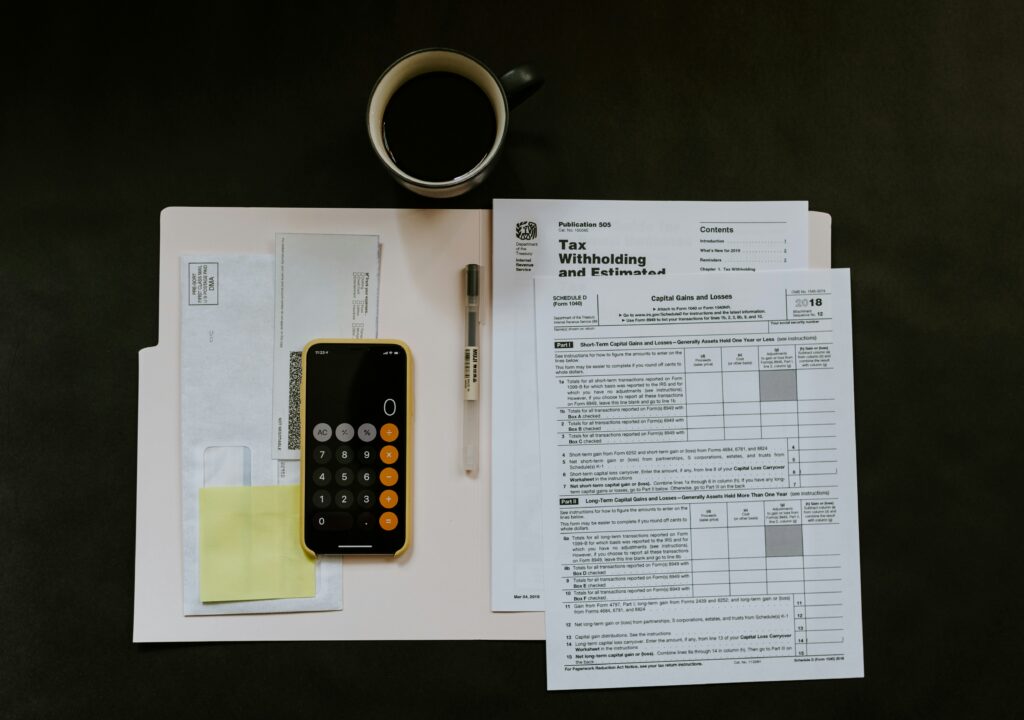
• Financial Statements: Bank account statements showing funds in the business account; IRS business tax returns and profit/loss statements for the last year or two.
• Organizational Records: Articles of incorporation, leases, client contracts, payroll records, etc.
• Proof of Investment: Receipts or wire transfers showing how and when you invested the capital.
The USCIS Form I-129 fee, visa fee (and biometrics fee if applicable), must be paid. Consulates have separate interview fees. Check the current fees on the USCIS or Department of State website.
Consular E-2 visa renewals typically take 2–6 months (varies by consulate). USCIS extensions can take a similar time (usually 1–2 months with premium processing). Plan accordingly.
Once your E-2 status or visa is renewed, enjoy up to 2 more years of work authorization (your I-94 or visa expiration date will reflect this). You can continue renewing indefinitely every 2 years, as long as the business remains eligible.
Don’t risk delays or denials; work with an immigration attorney early to protect your business and maintain your E-2 status.
Renewing an E-2 is not just a re-run of your original application; adjudicators focus on actual business performance and whether the enterprise still meets the E-2 rules. At Hacking Immigration Law, LLC, we can help you translate your company’s real-world results into the legal story that officers expect to see. Here’s how:
Our E-2 visa lawyers will first review whether your business still qualifies. We will identify weak spots early (e.g., insufficient payroll, inconsistent revenue, or gaps in corporate records) and recommend fixes you can implement before filing. This front-end triage reduces the chance of denial or an RFE (request for evidence).
Renewals require real documents — bank statements, invoices, payroll records, leases, contracts, tax returns, profit & loss statements, and an updated business plan showing hiring and revenue projections.
Our immigration lawyers understand which documents immigration officers prioritize and how to organize them to tell a clear, credible story of ongoing operations and job creation. That organization matters, as adjudicators compare projections from your initial petition to actual performance at renewal.
One common pitfall is failing to document the origin of investment funds or the path the money took. We will gather, authenticate, and annotate source-of-fund records (such as sale agreements, loan documents, wire records, and tax returns) so that the financial trail is clear and defensible. This reduces concerns about fraud and delays at both USCIS and consulates.
For renewals, you must replace forecasts with actuals and explain deviations. Our immigration lawyers update financials, refine hiring timelines, and prepare a short legal memorandum that ties documents to the legal criteria. For example, showing how current payroll and contracts demonstrate non-marginality and economic impact.
There are strategic choices — file an extension/change of status with USCIS (if eligible) or renew via the U.S. consulate in your home country. Each path has pros and cons (timing, risk of travel, processing time, local consular practices). We can recommend the best path for your situation and handle the necessary forms and filings.
If USCIS issues an RFE or a consulate requests additional evidence, a timely, well-argued response makes the difference. We will draft targeted responses, assemble missing documents, and explain how the new evidence satisfies legal standards — often turning a potential denial into an approval.
Give yourself peace of mind; let our immigration attorneys guide your renewal so your business and status stay safe.
Hire St. Louis E2 Visa Lawyers
If you renew at a consulate, we can prepare you for the interview. We will discuss the questions you are likely to face, how to present your role and business operations, and which documents to bring. We can also coordinate with local counsel or offer representation where permitted.
Past arrests, changes in ownership, loans from related parties, or significant business pivots all raise questions. Lawyers advise on how to disclose and contextualize these facts, prepare mitigation arguments, and, when needed, obtain supporting evidence (court dispositions, affidavits, corrected corporate records). This proactive handling reduces surprises at adjudication.
Our E-2 visa attorneys coordinate certified translations, audited or reconciled financials, and tax documents — all things adjudicators rely on. This ensures documents are admissible and professionally presented.
Because the E-2 is non-immigrant and can complicate immigrant-intent issues, we will advise on longer-term plans (extensions, travel, when/if to consider other visas or green-card options). This ensures renewals don’t inadvertently harm future immigration choices.
Q: Can I renew my E-2 visa without leaving the U.S.?
A: Yes. If you’re currently inside the U.S., you can file Form I-129 (E-2 extension of stay) with USCIS. No interview is required. If approved, your stay is extended without travel.
Q: Do I need a new DS-160 for renewal?
A: Only if you apply for a new visa stamp abroad. For consular renewals, yes: you must fill out the DS-160 (online nonimmigrant visa form) and attend another interview. For USCIS extensions, DS-160 is not used.
Q: What documents prove my investment is ongoing?
A: Updated financial documents: profit-and-loss statements, recent tax returns, and bank statements showing funds in the business account. Also include any new business licenses or contracts.
Q: How early should I apply to renew?
A: We recommend starting 3–6 months before your current non-immigrant visa expires. This avoids gaps in your authorized stay.
Q: Will renewing require a business interview?
A: If you extend via USCIS, generally no interview is needed. At a consulate, yes—you’ll have another visa interview. In either case, you must demonstrate your business’s success through documentation.
The validity period of an approved E-2 visa is two years. Subsequent renewals follow the same status process. Each time, plan for a few weeks to a few months to complete the paperwork and interview.
To avoid hiccups during the visa renewal process, ensure the US business is genuinely generating revenue, paying salaries, and other necessary expenses. USCIS officers will look for evidence that your enterprise is continuing to grow or operate successfully. If the business becomes marginal or meets your personal needs, it can jeopardize renewal.
If you want a tailored renewal package or don't know how to renew an E-2 visa, our team can manage the whole process. Seek legal assistance for peace of mind and a smoother path to your goal.