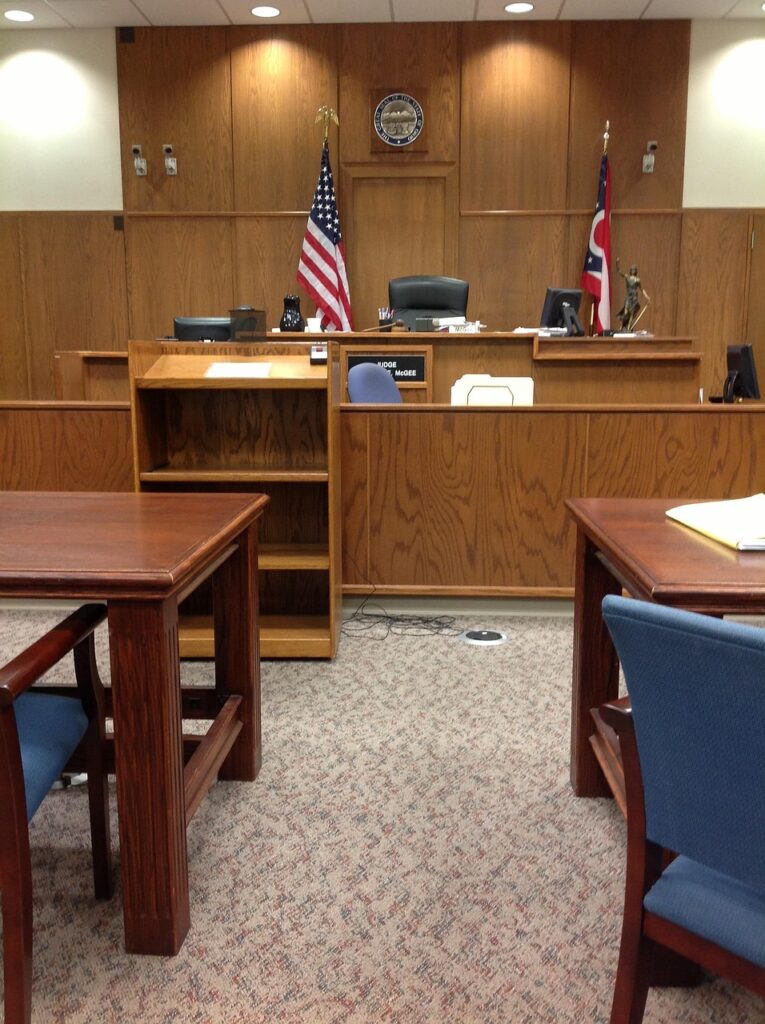
Administrative closure is a procedural tool used by immigration judges and the BIA - Board of Immigration Appeals - to temporarily pause removal proceedings without dismissing the case entirely. It doesn’t grant legal status, but it can buy valuable time for immigrants to pursue other relief options. Here’s how it works:
You’re facing removal proceedings and wondering if there's any way to press pause on this stressful roller coaster.
Every court notice fills your stomach with dread. You're trying to get a work permit, waiting on a visa petition, or hoping for new immigration reforms—but the clock is ticking and the court is looming. You need breathing room, but the system feels relentless.
Here’s where administrative closure comes in handy. This is a valuable (but often misunderstood) tool that can temporarily pause your case while you work on your options. It's not a magic fix, but in the right hands, it can be a total game-changer.
Key Takeaways
• Administrative closure pauses immigration court cases but doesn’t end them or provide legal status.
• Judges and DHS attorneys must agree for a case to be administratively closed.
• An immigration attorney can help you strategically request administrative closure.
Don't face immigration court alone—get trusted legal support now.
An administrative closure in immigration court temporarily halts your removal proceedings. You're still technically in the system, but your case is off the judge's active calendar. You won’t have a court date, and you won’t get removed while it’s closed.
It’s especially useful when you’re waiting on something else to happen, like a pending asylum application, a green card petition, or an application for Temporary Protected Status (TPS)
Important to know:
• You’re not ordered deported.
• You’re not granted any new status or green card.
• You're in a sort of "legal limbo"—but sometimes, that’s exactly what you need.
Not everyone qualifies, but for some immigrants, it can be a strategic lifesaver.
You may be a good candidate if you:
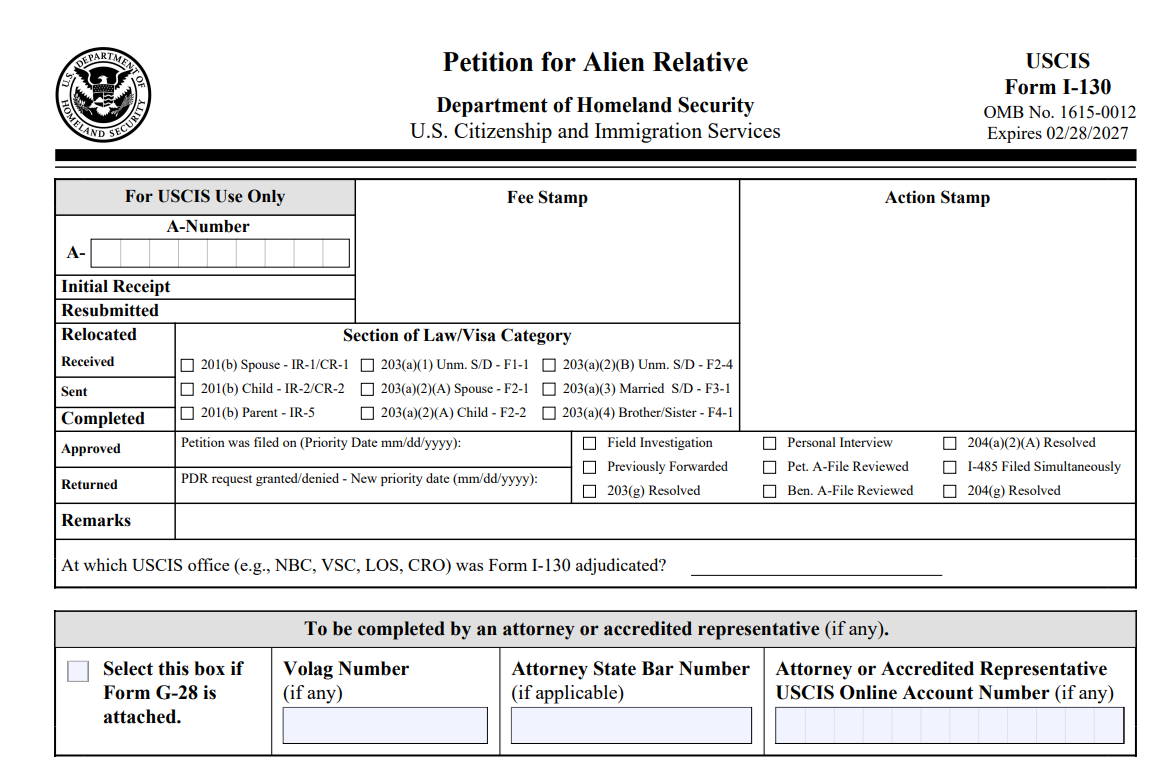
• Are waiting on a family- or employment-based petition (like an I-130 or I-140).
• Have DACA, TPS, or pending asylum.
• Are hoping to adjust status or get relief outside of court.
• Want to avoid spending thousands on full-blown litigation when your path to residency is nearly ready.
• Are living a peaceful life with no criminal issues and contributing positively to your community.
It's not a guarantee, but it can completely change the trajectory of your immigration review process.
| Pros | Cons |
| Temporarily stops immigration proceedings | Case can be reopened at any time |
| Allows time to pursue other immigration relief | Does not confer legal status or employment authorization |
| Reduces burden on immigration courts | Not guaranteed to be granted |
| May offer stability during policy changes | Political winds may shift, affecting eligibility |
Stay informed about administrative closure—get immigration help today.
Under Trump (2018–2021):
Then-Attorney General Jeff Sessions effectively banned administrative closure in most cases, limiting judges' ability to pause proceedings.
Under Biden (2021–2024):
The Department of Justice restored administrative closure in many situations, granting immigration judges and DHS attorneys discretion to close appropriate cases.
Under Trump (2025–Present):
With Trump's re-election in 2025, administrative closure has once again come under scrutiny.
Since Trump’s 2025 return to office, his administration has taken sweeping steps to reshape immigration policy:
• Expanded expedited removal
• Rescinded protections
• Increasing detention and deportation quotas
While no official rule change has been implemented yet regarding administrative closure, the administration's stance suggests a potential shift towards restricting this tool. Immigration advocates are closely monitoring the situation, as any changes could significantly impact individuals seeking relief in immigration court.
Given these developments, it's crucial to stay informed and consult with experienced immigration attorneys to navigate the evolving policies effectively.
An administrative closure allows a case to be removed from the court’s active docket without being fully dismissed. This isn’t automatic—you have to ask the court.
Here's how it works:
1) You (or your lawyer) file a motion for administrative closure.
2) You include:
• A solid reason (like a pending visa petition).
• Evidence that you’re eligible or in process.
• A timeline or update showing the progress of your immigration case.
3) The Department of Homeland Security (DHS) attorney and the immigration judge have to agree.
You’ll need to convince the judge that your case deserves to be paused and that there's a good reason to wait. Having a pending United States citizenship or green card petition can help tip the scales in your favor.
If both sides give the green light, you’re off the active court calendar.
Pro tip: If you're representing yourself, it’s easy to make a technical mistake. Hiring an experienced immigration lawyer can dramatically increase your chances.
Here’s what a good lawyer at Hacking Immigration Law, LLC can do for you:
• Evaluate if administrative closure is right for your case.
• Craft a winning argument for the judge and DHS.
• Stay on top of changes in immigration law.
• Help you avoid accidental removal orders or missed deadlines.
• Coordinate your case with other filings (like I-130s or I-601As).
A single mistake could cost you years. Don’t risk it—partner with a team that lives and breathes immigration law.
Not a fit for administrative closure? Here are a few backup plans your attorney might explore:
• Prosecutorial Discretion (PD): DHS may agree to dismiss or pause your case altogether.
• Termination or Dismissal: If you have a green card process pending elsewhere.
• Continuance: You ask for more time in court without full closure.
• Adjustment of Status in Court: If you're already eligible to adjust without leaving the U.S.
The right strategy depends on your specific case, paperwork, and life situation. One size definitely doesn't fit all.
Is administrative closure the same as getting a green card?
No. It just pauses your court case—it doesn't grant any immigration status or benefits.
Can I work while my case is administratively closed?
Only if you already have work authorization or qualify based on a pending application, like asylum or TPS.
Can ICE reopen my case later?
Yes. Either DHS or the judge can put your case back on the calendar if circumstances change.
Is administrative closure automatic?
No. You must file a motion and get approval from both the judge and the DHS attorney.
How long does administrative closure last?
Indefinitely—until someone (you, DHS, or the judge) moves to reopen the case.
You should consider requesting administrative closure if:
• You have an immigration benefit pending.
• You need time to become eligible for relief.
• You want to avoid unnecessary court battles.
• You’re in a stable situation but need to "pause" deportation.
Don’t guess - speak with our immigration lawyers. We’ll help you make the right move at the right time.