Let’s be honest—immigration law is complicated. It’s a web of policies, procedures, and paperwork that can be overwhelming, even for the most determined individuals. But what if there were a way to pause your immigration court case without closing it or risking immediate deportation?
Immigration court backlogs have reached historic levels. According to the TRAC Immigration database, there were over 3.5 million backlogs as of November 2024. For many immigrants, this means years of waiting with no clear answers and no real progress.
You’re caught in a waiting game, hoping for a solution that doesn’t feel like it’s coming. It's the mental toll of uncertainty:
• Will ICE come knocking at my door?
• Should I renew my work permit?
• What if something changes in my case before the judge has a chance to rule?
Here’s where administrative closure steps in.
This legal tool allows immigration judges or the Board of Immigration Appeals (BIA) to pause proceedings in certain cases. It doesn't mean your case is dismissed. Rather, it’s placed on the inactive docket, giving you time and space to pursue other immigration benefits or legal strategies—without the constant threat of deportation looming overhead.
Key Takeaways
• Administrative closure serves as a temporary pause in immigration proceedings.
• Policy changes during the Trump administration significantly curtailed the use of administrative closure, impacting case management.
• Understanding the nuances of administrative closure is essential for individuals navigating immigration proceedings.
• Engaging experienced legal counsel is crucial to leverage administrative closure and other legal tools effectively.
Stay empowered and explore how administrative closure might shape your immigration journey with expert assistance.
Table of Contents
Administrative closure is a procedural action used to temporarily pause removal proceedings or remove a case from the active immigration court docket. Think of it like pressing the “pause” button on a movie—you're not deleting the movie; you're just stopping it until you're ready to continue.
Key points:
• It’s not a final decision on your case.
• The case can be reopened at any time by either party (you or the Department of Homeland Security).
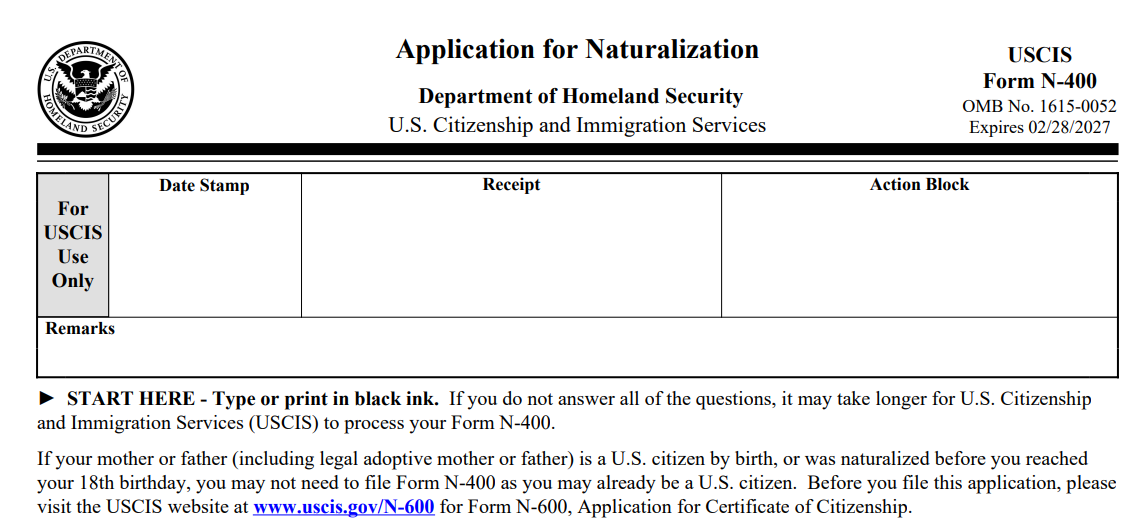
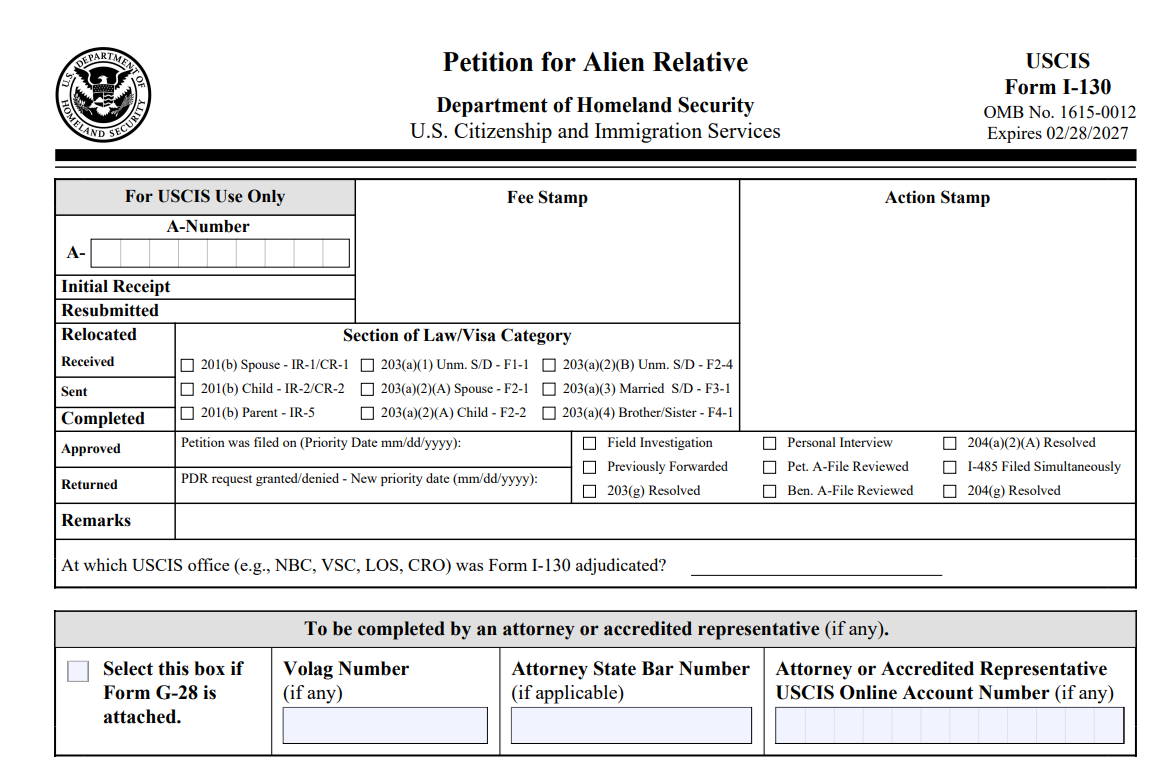
• It’s often used when pursuing other legal remedies (e.g., I-130 approval or visa processing through consular processing).
Administrative closure, immigration lawyers firmly emphasized, isn’t available in every case. It typically applies when:
• You are waiting for a USCIS visa petition (like Form I-130 for a family-based green card) to be approved.
• You are eligible for a nonimmigrant visa waiver or another form of relief outside the courtroom.
• The government agrees that removal isn't a priority in your situation.
• You're trying to adjust your immigration status or apply for a green card.
Important Note: It’s a discretionary tool, meaning the immigration judge or BIA must agree it’s appropriate for your case.
Why would you want to pause your immigration case? Turns out, there are several strategic advantages:
• Reduces stress. It puts a temporary end to court appearances and deadlines.
• Allows time for USCIS processing. You can wait for pending petitions or applications to be approved.
• Helps build stronger cases. You gain more time to gather evidence, improve circumstances, or apply for other benefits.
• Avoids removal orders. Without administrative closure, you could be ordered removed while you wait for another case to be processed.
• Possibility of future relief. You may become eligible for immigration relief you didn’t qualify for earlier.
Administrative closure can be crucial to your immigration case—get professional guidance to make informed decisions.
While it can be a powerful tool, administrative closure isn’t a silver bullet. Here are a few things to keep in mind:
• No path to work authorization. Unless you qualify for work authorization through another process, you won't automatically receive it during closure.
• Not permanent. The government or judge can reopen your case at any time.
• Delays resolution. It’s a pause—not a fix. Your case will still need to be resolved eventually.
People often confuse administrative closure with case termination, but they’re not the same.
| Feature | Administrative Closure | Termination |
| Case Status | Inactive, can be reopened | Fully removed from the court docket |
| Deportation Risk | Still exists (can be reopened) | Removed unless re-filed |
| Strategic Use | To buy time for other benefits | Used when there’s no basis to proceed with removal |
| Can Apply for Benefits | Sometimes (depending on the case and benefit type) | Often, but must reapply elsewhere |
As of 2025, administrative closure has once again come under scrutiny with the return of former President Donald Trump to office. While no official rule change has been fully enacted yet, immigration attorneys and advocacy groups are closely monitoring potential policy reversals.
Pre-2018: Administrative closure was commonly used, especially in cases where the noncitizen had a path to legal status outside of court.
2018 – Sessions’ Decision: Under President Trump’s first term, then-Attorney General Jeff Sessions issued a decision in the Matter of Castro-Tum that significantly limited immigration judges’ authority to administratively close cases. This caused case backlogs to swell and limited judicial discretion.
2021 – Garland Reinstates It: Under the Biden administration, Attorney General Merrick Garland reversed Sessions’ decision, restoring immigration judges’ ability to use administrative closure.
2025 – Trump’s Second Term: Since returning to office, Trump’s administration has signaled a renewed interest in curtailing administrative closure again as part of a broader push for stricter immigration enforcement.
Although there has not yet been a formal reversal of Garland’s 2021 decision, legal observers and immigration courts are bracing for potential changes. Trump’s administration has already begun implementing more restrictive immigration policies, such as increased social media screening, removal of temporary protected status, and visa denials based on perceived antisemitic content.
If the Department of Justice revisits administrative closure, immigration judges may soon lose the discretion to pause deportation cases—even for individuals actively working on legitimate avenues for legal status.
The complexities of administrative closure and broader removal proceedings underscore the need for experienced legal counsel specializing in citizenship and immigration services.
At Hacking Immigration Law, LLC, immigration is a mission. With a reputation for fighting fiercely for immigrants' rights, we help individuals and families overcome legal hurdles and find peace of mind in uncertain times.
What sets us apart?
• Deep experience. We’ve handled thousands of immigration cases, including administrative closure motions.
• Up-to-date knowledge. We stay ahead of policy changes—like those enacted during the Trump administration and reversed under Biden—to use every available legal tool in your favor.
• Compassionate service. We understand how emotionally exhausting immigration cases can be and offer support every step of the way.
• Strategic advocacy. Whether you need administrative closure, a green card, or help with a USCIS delay, our St. Louis immigration lawyers can craft a plan tailored to your specific needs.
Let a trusted legal team like Hacking Immigration Law, LLC guide you through the process, protect your rights, and help you make the best legal decisions possible.