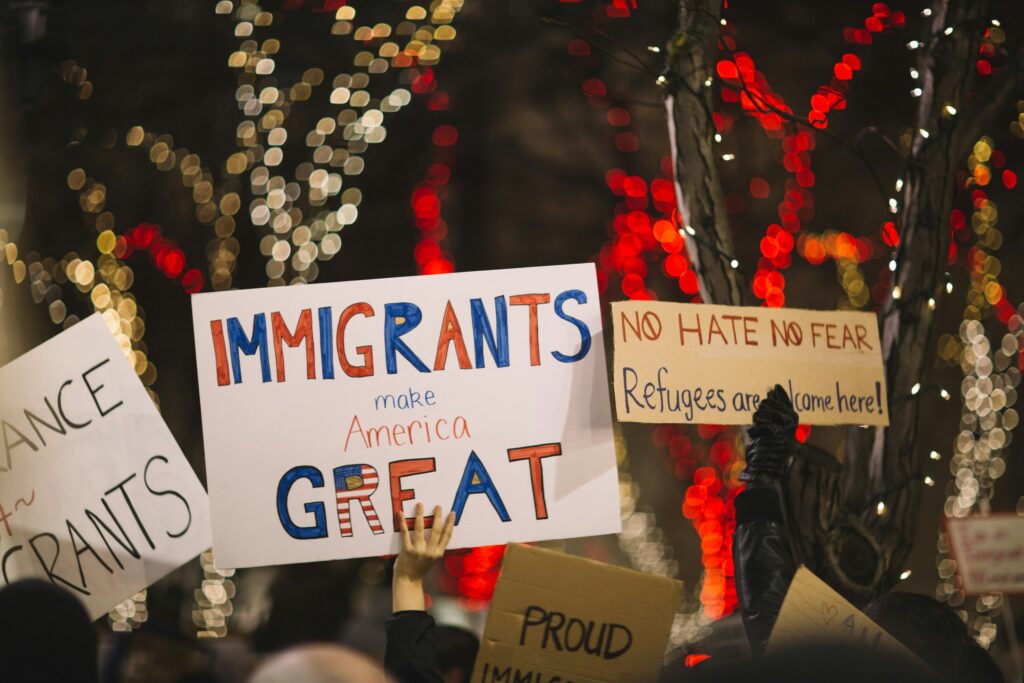
Dealing with USCIS is often frustrating due to delays, strict rules, and unpredictable decisions. Discover the struggles that immigrants face with USCIS and tips to overcome them.
One of the most frustrating aspects of immigrating is dealing with USCIS. Not only is the application process arduous, but the interviews themselves are ultimately subjective. Unlike other government programs, there is no standardized point system or objective measurements that prospective immigrants can rely on. Instead, decisions are influenced by a variety of factors, including documentation, interview responses, and specific skills that an immigrant can bring to the U.S. economy.
Many immigrants arrive with hopes of building a better life, but they face discrimination, economic barriers, and cultural differences that make integration into a new society difficult. While some immigrants come from countries with similar legal and economic systems, others from Central America, South America, and other countries must adapt to entirely new environments with unfamiliar rules and expectations.
In this article, we’ll explore the key struggles that immigrants face with USCIS and offer insights into how to navigate these obstacles effectively.
Key Takeaways:
• USCIS delays are common and can stretch application processing times to years.
• Small mistakes can lead to outright denials, requiring applicants to restart the process.
• Stricter policies mean more scrutiny of applications, making approvals harder to secure.
• Legal assistance can help immigrants avoid common pitfalls and improve their chances of success.
Need expert guidance? Navigate the immigration process successfully with our immigration attorney!
Table of Contents
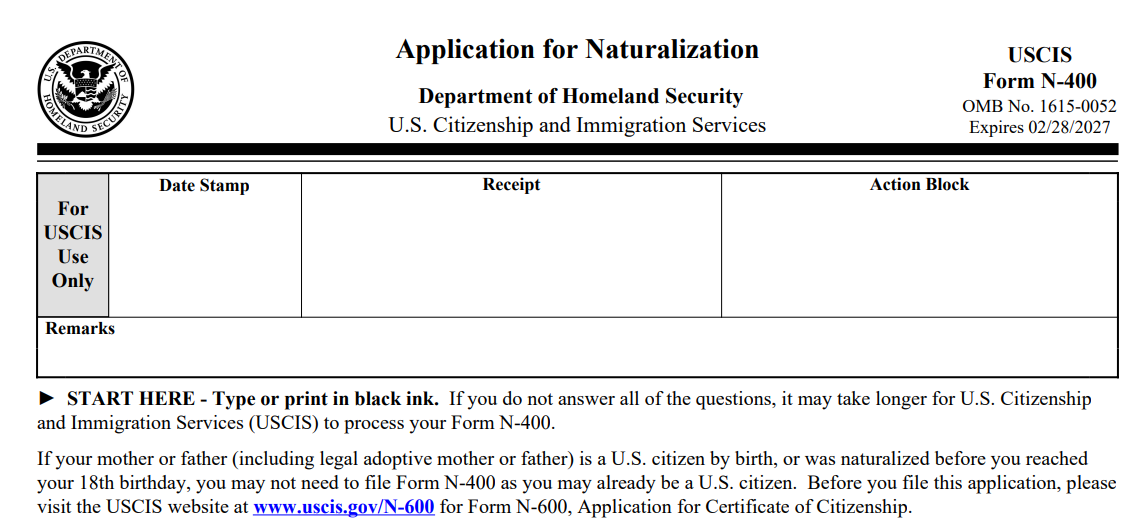
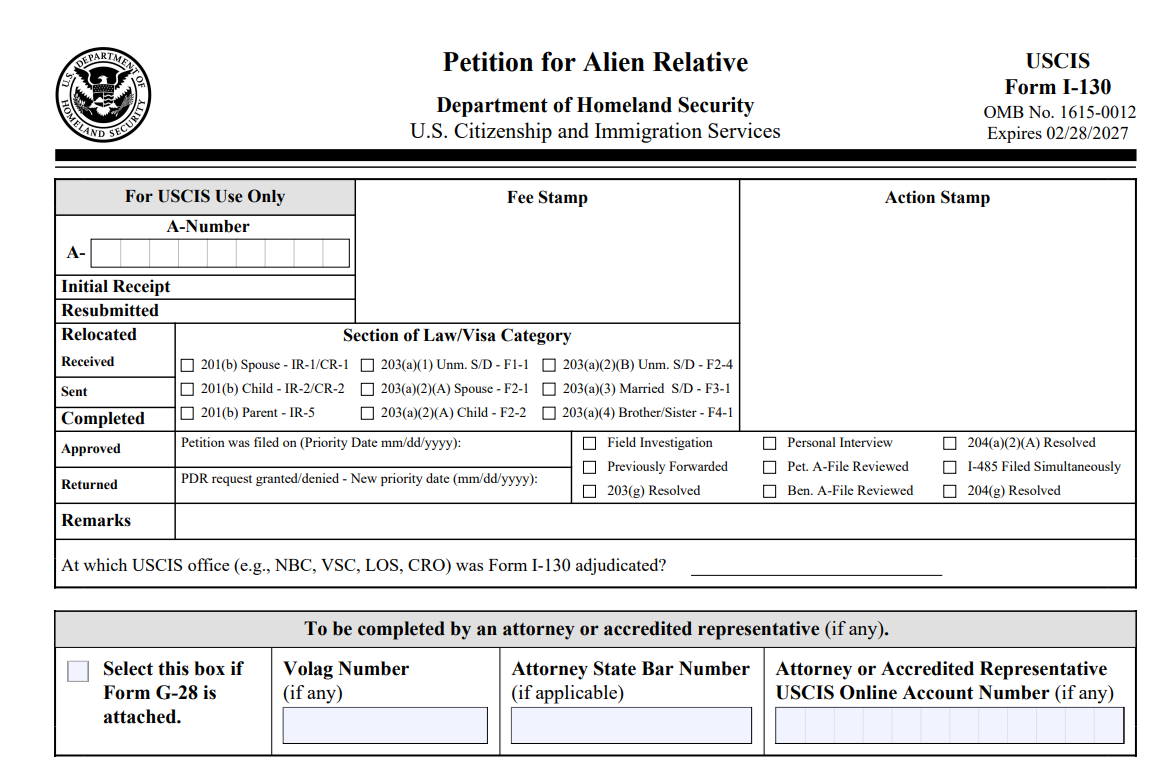
As part of the Department of Homeland Security, USCIS administers the immigration and naturalization process. Most people who want to immigrate to the U.S. must start the process by having someone file an immigration petition on their behalf with USCIS. Frequently, they cannot even apply for an immigrant visa until USCIS approves the petition.
For Hispanic immigrants, Asian immigrants, and other ethnic groups seeking lawful status, this process can be overwhelming, particularly for those who are not English proficient. Language barriers, ethnic identity, and racial and ethnic groups’ experiences can shape how immigrants interact with USCIS and their overall experience within the system.
USCIS also reviews applications of lawful permanent residents with green cards who are applying for citizenship and immigrants seeking asylum. The agency works closely with the Visa Center at the State Department and with Immigration and Customs Enforcement (ICE).
One of the most common and frustrating challenges immigrants face with USCIS is the delay in receiving decisions or even signs of progress on an application. Even processes that were once simple, such as adjudicating a petition for a priority status immediate relative, now take close to a year. The wait for action on petitions involving those in lower preference categories can extend for years or even decades.
When problems arise, such as missing information, delays can extend indefinitely. Some of the delays are likely due to increased applications and a lack of staff to handle the processing. However, delays are also probably the result of policies calling for closer scrutinization of applications and supporting documents.
Get expert tips and support for your immigration struggles!
USCIS has adopted a strict stance on mistakes. Previously, if a petition or application was missing a required piece of documentation, the agency might have sent a request for more information. Now, missing documentation can result in outright denials, forcing applicants to start over and pay another filing fee. This poses a significant financial burden, particularly for many migrants who already face lower incomes and fewer opportunities due to their immigration status.
For lawfully present naturalized citizens, small errors can impact their ability to access government programs, social security benefits, and even their ability to obtain a driver’s license. The strict policies disproportionately affect those from racial and ethnic groups who may have less education and face language barriers when navigating legal documents.
Many immigrants feel that USCIS is actively looking for reasons to deny applications rather than helping applicants succeed. While this perception may not fully reflect the agency’s intent, it is difficult to ignore the increased scrutiny placed on applications. This increased risk of denial can have severe consequences for asylum seekers, undocumented immigrants, and others seeking legal status.
In addition to application denials, other factors such as economic instability, cultural barriers, and psychological trauma from previous experiences—such as sexual violence or gender-based violence—can make the process even more challenging. Many immigrants arrive in the U.S. fleeing violence, poverty, and discrimination in their home country, only to face additional obstacles in their pursuit of stability.
The stress of the immigration process does not only affect paperwork and legal status—it also has a profound negative impact on mental health. Many immigrants, particularly those from Central America and South America, experience post-traumatic stress disorder due to their past experiences. Among immigrants, food insecurity, economic hardship, and discrimination add to the burden, making it even more difficult to integrate into American society.
For children of immigrants, particularly native-born children of parents facing deportation or legal issues, the instability can lead to emotional distress and educational challenges. School officials often struggle to provide adequate support for these children as they navigate both their ethnic identity and the challenges of a new environment.
Despite these obstacles, most immigrants remain resilient and determined to secure a better life for themselves and their families. With the right legal guidance, many can successfully navigate the system and achieve their goals. Government programs, community resources, and legal assistance can all play a role in supporting immigrants through the process.
To learn more about how the Hacking Immigration Law, LLC could help you, reach out to an attorney today.