Filing a marriage green card after entering on an ESTA is possible, but the rules are strict, and one wrong move can get your case denied. Here’s what you need to know before you file.
If you entered the U.S. on ESTA, married a U.S. citizen, and are about to file for a green card, stop. In 2026, an adjustment of status interview can end with you in ICE custody and on a plane home the same week. No judge. No appeal. A five-year ban on returning.
ESTA waives your right to a hearing. USCIS and ICE are now coordinating at marriage interviews. That combination has turned what used to be a routine step into one of the riskiest filings in immigration law.
This guide walks through what ESTA adjustment of status is, why the rules shifted this year, and how to decide between filing in the U.S. and going home for consular processing before you make a move you cannot undo.
Key Takeaways:
• ESTA travelers waive their right to see an immigration judge, which means a routine green card interview can end with immediate removal if anything goes sideways.
• USCIS and ICE are working together more aggressively, and several major field offices have already produced detentions during marriage-based interviews.
• Many couples are choosing consular processing instead, which sends the foreign spouse home for the green card but avoids the expedited removal trap that visa waiver program entrants face.
Most people on ESTA don't know they have options. Get the answers you need before your time runs out.
Table of Contents
ESTA (Electronic System for Travel Authorization) is the visa waiver that lets citizens of about 40 countries enter the U.S. for up to 90 days without applying for a visa at a consulate. It was built for tourism and short business trips, not for staying long-term.
Adjustment of Status is the official name for the process of applying for permanent residency while you are physically inside the United States. So, an ESTA adjustment of status is when someone who entered on a visa waiver tries to become a lawful permanent resident. It is most common in marriage-based filings, where one spouse came to visit, met someone, and decided to stay.
On paper, the process looks simple:
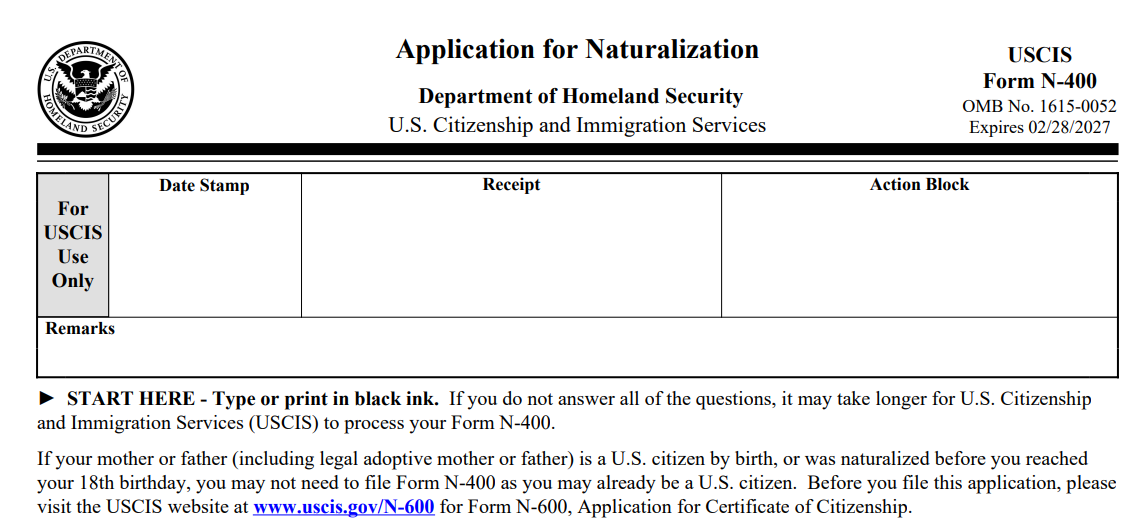
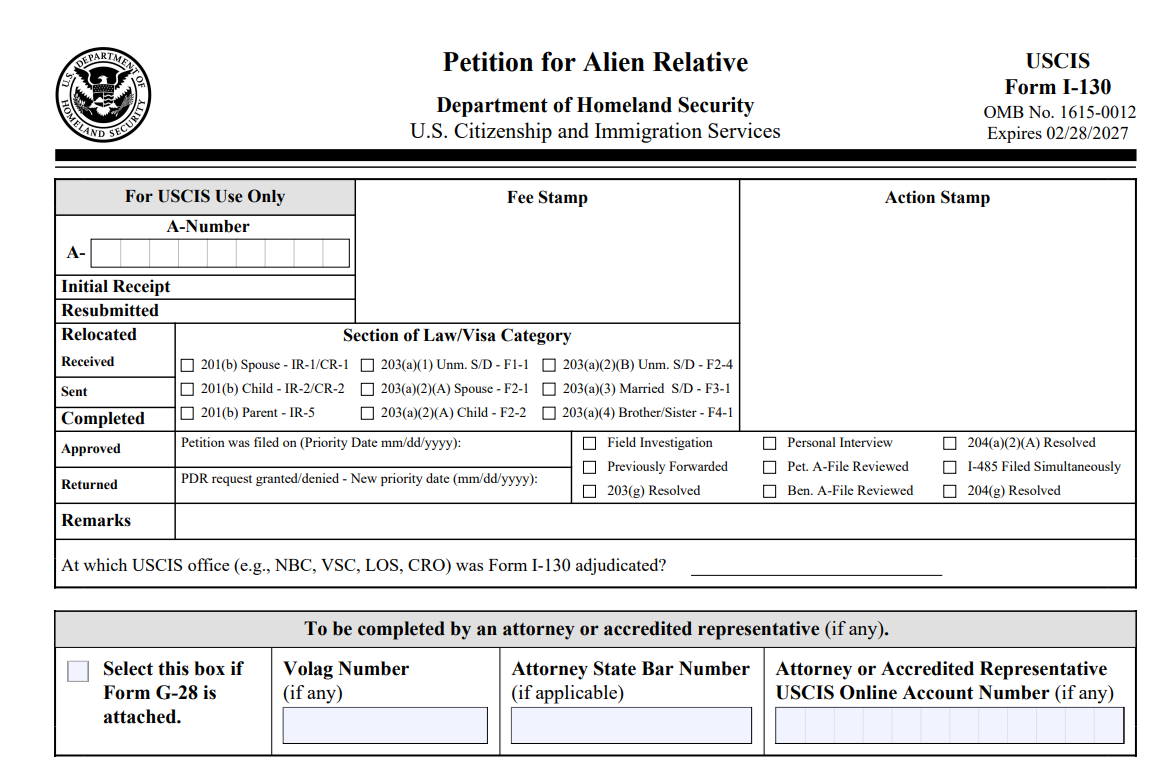
• File an I-130 petition with your U.S. citizen spouse and an I-485 application for adjustment, plus a few related forms.
• Attend an interview.
• If approved, walk out as a green card holder.
That is the version that worked for years. It is not the version playing out in 2026.
The timing on these filings used to be the biggest worry. Couples planned their interviews around realistic I-130 processing times for family-based visas and worked them around school, jobs, and travel. In 2026, timing is no longer the thing keeping people up at night.
According to Homeland Security, more than 18 million travelers entered the U.S. under the Visa Waiver Program in fiscal year 2023. A small slice of those visitors end up marrying U.S. citizens, and that small slice is now sitting in the highest-risk legal position of any green card filer.
The "Visa Waiver" in ESTA does not waive the inconvenience of an interview. It waives your due process rights at the border.
When you click "I agree" on the ESTA application, you sign away your right to a hearing before an immigration judge if the U.S. government decides to remove you. That single waiver is what makes 2026 so dangerous.
| Feature | ESTA (Visa Waiver) | Standard Visa (B1/B2, F-1, etc.) |
| Duration | Strictly 90 days | Varies by visa type |
| Right to a Judge | Waived | Guaranteed due process |
| Deportation Risk | Fast-track (Expedited Removal) | Removal proceedings in court |
| Current 2026 Trend | High risk of immediate detention | Opportunity to defend immigration status |
Compare it side by side with a regular visa holder. A B1/B2 tourist, an F-1 student, or anyone with a regular nonimmigrant visa keeps full due-process rights. If immigration agents try to remove them, they get:
• A court date
• A chance to argue their case
• Possibly a bond hearing
• Time to prepare a defense
ESTA holders get none of that: ninety days, no extensions, no exceptions. The right to a judge is waived. Deportation, if it happens, is fast-tracked through expedited removal. And in 2026, that fast track has become a real possibility at the green card interview table.
A standard immigrant visa holder facing removal can argue that they are married to a U.S. citizen, that they have a pending I-130, or that they have a path toward permanent residence. An ESTA holder in the same situation cannot. ICE and Customs and Border Protection have the legal authority to put them on a plane that day.
Your ESTA was just the beginning. Find out if you qualify to stay permanently before your window closes.
Marriage-based green card interviews used to feel like reasonably safe ground. If your relationship was real, you brought your wedding photos, your joint lease, your shared bank statements, and you walked out approved. Even when there were problems, USCIS officers usually issued a denial letter and let you appeal or refile.
That changed in 2026. Reports from cities like San Diego, San Francisco, and Salt Lake City indicate that USCIS is increasingly turning beneficiaries over to ICE during their interviews if they are out of status. If the foreign spouse is out of status, ICE agents have shown up at the office, taken the applicant into custody, and started removal that same day.
For ESTA holders, that custody often means expedited removal. There is no judge to call. No second interview to schedule. The applicant is processed and flown home, sometimes within 48 hours.
Immigration attorney Jim Hacking of Hacking Immigration Law, LLC, explains the difference using two hypothetical applicants, Elvis and Victor.
• Victor (Visa Holder): If Victor is placed in removal proceedings, he can go before a judge. He can argue that he has a pending I-130 and a path to legal status. He may even be eligible for a bond.
• Elvis (ESTA Holder): If Elvis is taken into custody, there is no judge to see. Because he waived his rights, ICE and CBP can put him on a plane immediately. There is no "day in court" to explain the marriage or the pending application.
That is the entire reason 2026 has rewritten the strategy for ESTA marriage cases. The legal protection people assume they have is simply not there.
If you leave the U.S. after overstaying, you do not walk away clean. You run straight into the unlawful presence bars, the time penalties Congress built to punish people who stay past their authorized period. These bars block you from coming back, regardless of who you are married to or how strong your case looks on paper. Three of them are likely to come up if you entered on ESTA:
• 3-year bar: Triggered if you accumulated more than 180 days but less than a year of unlawful presence and then left the country.
• 5-year bar: Triggered when you are removed through expedited removal, which is exactly what happens when ICE picks you up at a USCIS interview.
• 10-year bar: Triggered if you accumulated more than one year of unlawful presence and then left the country.
Stack the bars together, and the picture gets harsh. If you walk into a green card interview, get handed to ICE, and end up on a plane, you can pick up the 5-year bar from expedited removal and the 10-year bar from a prior overstay at the same time. That is more than a decade away from your spouse, your home, and the life you built.
Consular processing means the foreign spouse leaves the U.S. and finishes the green card process at the U.S. embassy or consulate in their home country. It used to be the slower, less convenient option. In 2026, for many ESTA holders, it is the safer one.
The trade-off is real. Consular processing means:
• Months of separation from your spouse.
• The cost of international travel.
• Depending on how long the person was out of status, a waiver application must be filed before they can return.
Couples who would have filed without thinking twice a few years ago are now sitting down with an experienced immigration attorney and running the numbers. For a lot of ESTA holders, the math points to consular processing as the lower-risk path on the immigration journey.
To adjust status after an ESTA entry is one of the most misunderstood processes in U.S. immigration. Get clarity now.
Yes, it is still legally possible, but the risk profile has changed. Review your case with an immigration lawyer before filing, especially in cities with active USCIS and ICE coordination.
For many couples, consular processing is the lower-risk option. It avoids the expedited removal trap that adjustment interviews can trigger.
No. A real, bona fide marriage helps, but ESTA waives your right to argue your case before a judge. Marriage also raises questions about immigrant intent at the moment of entry, which a good attorney can help you address before any filing.
You may still qualify as the spouse of a U.S. citizen, but the unlawful presence bars and expedited removal risks become much more serious. Talk to an attorney before any USCIS appointment.
If you entered on an ESTA, married a U.S. citizen, and are trying to decide whether to file an adjustment of status or go the consular route, this is the kind of case Hacking Immigration Law, LLC handles every day. The firm has built its immigration services practice around marriage-based green cards and the messy edge cases that come with them, including ESTA scenarios aimed at securing permanent resident status without triggering removal.
If you are navigating this high-stakes environment, do not go it alone.
• Call us: 314-961-8200
• Email: [email protected]
• Join the Community: Find us on Facebook at Immigrant Home or subscribe to our YouTube channel.
The earlier you get a real assessment of your case, the more options you have. Once an interview is scheduled, the playbook narrows fast.