Are you feeling overwhelmed by visa forms and separation from your family? The family immigration process can feel like a maze of paperwork and deadlines. Many families face long delays or missed deadlines that keep loved ones apart. Here’s how a family lawyer immigration expert can help you through this maze.
Family ties are the largest pathway to legal immigration in the U.S., accounting for roughly 65% of all immigration. Yet the rules are strict. Citizens and permanent residents can sponsor only certain relatives (spouses, children, parents, etc.) within complex categories and quotas. Even a small mistake, like a wrong form or a missed deadline, can cause major delays. An experienced family immigration attorney helps you avoid these pitfalls and keeps your case on track.
They know which visa fits your situation, fill out forms correctly, and prevent mistakes. With the right attorney, you can move from stress to success, getting closer to reuniting your loved ones.
Key Takeaways:
• Family-based visas account for the majority of U.S. immigration, but the application rules are detailed and strict.
• Immediate relatives (spouses, minor children, parents of citizens) have different requirements and shorter wait times than preference relatives (adult children, siblings).
• Working with an experienced law firm like Hacking Immigration Law, LLC ensures you get expert support tailored to your family’s needs.
Table of Contents
Each family petition involves paperwork, waiting, and strict eligibility rules.
For example:
• Immediate relatives (spouses, minor children, parents of U.S. citizens) often get visas in under a year, while preference relatives (adult children, siblings) may wait many years due to annual visa limits.
• A fiancé(e) visa (K-1) is another category that lets a U.S. citizen bring an engaged partner to marry within 90 days.
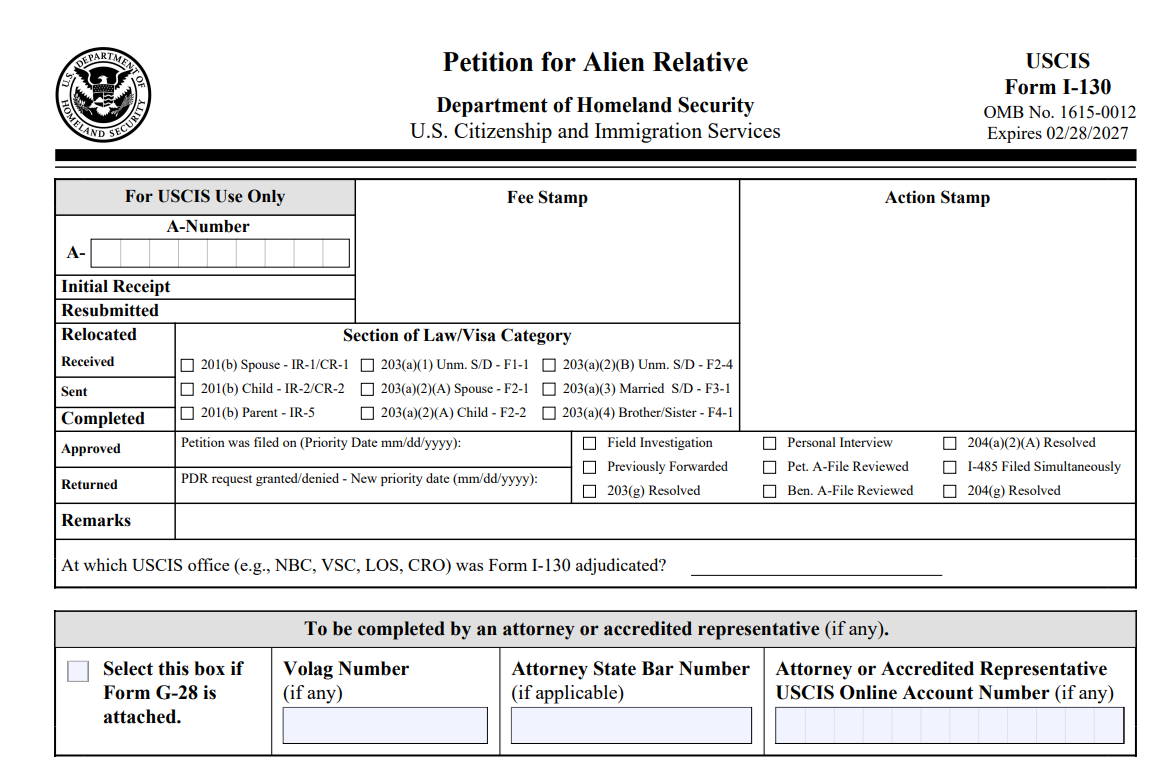
Sponsors must file the correct forms (like Form I-130) and submit evidence of the family relationship and financial support. Any missing document or error can lead to delays or denials. This multi-step process can be overwhelming without expert help.
To give you an idea, here are the basic family visa groups:
Immediate Family Members: Spouses, unmarried children (under 21), and parents of U.S. citizens. These visas have no annual cap, so they are processed faster.
Family Preference: Other relatives such as married or unmarried adult children and siblings of U.S. citizens (and spouses/minor children of permanent residents). Family preference visas have limits and longer wait times.
Fiancé(e) (K-1) Visa: For a U.S. citizen’s fiancé(e) to enter and marry within 90 days.
Petition & Eligibility: For any family visa, the U.S. sponsor must file Form I-130 with proof of the family relationship and an affidavit of support (showing they can financially sponsor the immigrant). Only specific relatives qualify. For example, you cannot sponsor grandparents, cousins, or aunts/uncles.
Understanding these categories is just the first step. A lawyer will help confirm your eligibility and guide you on the right path.
Working with an experienced attorney brings many advantages:
• Avoid costly errors. Your lawyer ensures all paperwork is completed accurately, reducing the chance of denials.
• Strategic planning. They guide timing and strategy, advising on how to handle life changes during the long visa process.
• Efficient family-based immigration process. An attorney keeps your case on schedule by meeting deadlines, gathering documents, and filing on time.
• Communication. They serve as your USCIS contact, handling updates and keeping you informed of progress.
• Advocacy. If complications arise, your lawyer responds with legal arguments and evidence, and represents you at interviews or in court if necessary.
Overall, hiring a family immigration attorney gives you peace of mind and a smoother path to reunification.
Not all immigration attorneys specialize in family cases. Keep these tips in mind:
• Specialized experience. Look for a lawyer who focuses on family-based immigration, as they have handled family law cases like yours.
• Credentials & reviews. Check qualifications and ask for referrals. Read online reviews to find a lawyer with a strong track record.
• Communication style. Choose a family immigration attorney who listens carefully to your concerns and explains each step clearly. They should make sure you understand your options and what to expect.
A great lawyer will be transparent about fees and timelines and will keep you involved every step of the way.
Hire St. Louis Immigration Lawyers
At Hacking Immigration Law, LLC, we specialize in family immigration. Our experienced attorneys will listen to your family’s story and create a personalized strategy for your case. We handle every step, from filing your petition and preparing documents to coaching you for interviews. Our goal is to reunite your family smoothly and efficiently.
Here’s how we help:
Explains which visa category fits your situation and helps you plan. For instance, our immigration attorneys will advise whether to file now or wait for a future life event, given long processing times.
Handles the detailed paperwork, including filling out Form I-130 (and other applications) and gathering documentation. We ensure all forms and answers are correct, minimizing the risk that USCIS will reject your case for errors.
Manages all communication with USCIS on your behalf. We will respond to any Requests for Evidence and keep your case moving, preventing it from getting stalled.
Prepares you for interviews and, if needed, attends hearings with you. We will answer officers’ questions and advocate for your case, making sure your rights are protected.
In short, we will handle the legal heavy lifting. That way, you can focus on your family.
Q: Who qualifies for a family-based immigration visa?
A: U.S. citizens can sponsor their spouse, children (under 21), and parents. Lawful permanent residents may sponsor only their spouses and unmarried minor children. Other relatives, like adult children or siblings of citizens, are eligible under limited preference categories. Relatives such as grandparents, aunts/uncles, or cousins cannot be sponsored.
Q: What are the first steps in applying for family immigration?
A: Typically, the U.S. sponsor must file Form I-1 with USCIS, including proof of the family relationship and an affidavit of support. Once USCIS approves the petition, the family member either applies for a U.S. green card (if already in the U.S.) or an immigrant visa at a U.S. consulate abroad.
Q: Why should I hire a family immigration lawyer?
A: Immigration law is complex, and a single mistake can ruin your application. Without legal help, you risk errors that could delay or deny your case. An attorney also handles USCIS communications and any issues for you, saving you time and stress.
Whether you’re sponsoring a spouse, child, parent, or fiancé, having an experienced family lawyer immigration professional by your side can make all the difference. From filing the right forms to avoiding costly delays and ensuring every requirement is met, a family immigration lawyer gives you the guidance, support, and peace of mind you need during a complex process.
At Hacking Immigration Law, LLC, we know how important family is. Our legal team has helped thousands successfully bring their loved ones home. Let us help you write your family’s next chapter together.
Schedule a consultation with our trusted family immigration lawyers to learn more about our citizenship and immigration services.