If your 10-year green card is approaching its expiration date, you may be wondering what comes next and whether your status is affected. The answer depends on your immigration status, the type of green card you have, and your renewal practices.
Many people assume that when their 10-year permanent resident card expires, their lawful permanent resident status expires too. Fortunately, that's not how it works.
A green card serves as official proof of permanent residence in the United States. While the physical card has an expiration date, your immigration status generally does not.
I'm Jim Hacking, an immigration lawyer practicing law throughout the United States out of our office here in Missouri. Let’s break it all down so I can help you protect your status and avoid getting stressed about it.
Key Takeaways:
• A 10-year green card expires, but your permanent resident status does not. You remain a lawful permanent resident even after the card expires.
• Renew your green card on time. An expired card can cause issues with travel, work authorization, and proving your legal status.
• You can still lose your green card status. Long trips abroad, abandoning residency, or immigration law violations can put your status at risk.
Speak with the team at Hacking Immigration Law, LLC if you have questions about renewing your green card or protecting your permanent resident status.
A permanent resident card, also called a green card, is usually valid for 10 years. Your permanent resident status does not expire when the card expires, but it can be lost if you abandon residency or violate immigration law.
You must renew a traditional green card once it expires. Having an expired card does not revoke your lawful permanent resident status.
For lawful permanent residents, the rule is straightforward—renew your card every 10 years, and keep a valid card as proof of legal status.
However, if you have a conditional green card through marriage or certain investments, it’s valid for only two years. You’re only a conditional permanent resident.
Remove conditional status on your conditional green card by:
• Filing Form I-751 based on marriage or Form I-829 for investors with the United States Citizenship and Immigration Services (USCIS) within the 90-day window before your card expires.
• Submitting supporting evidence, such as tax returns, joint bank account statements, photos, lease agreements, and utility bills.
• Filing waivers for joint filing if you’re widowed, divorced, or were abused. You must still provide evidence that the marriage was bona fide.
• Paying the required filing fee.
A 10-year green card is issued to most lawful permanent residents. It requires renewal every 10 years but does not require you to prove eligibility again.
A 2-year conditional green card is for individuals who obtained permanent residency through a marriage that was less than two years old at the time of approval.
Certain investor visa holders and some individuals who entered through an immigrant visa process may also receive conditional residency.
| 10-Year Green Card | 2-Year Conditional Green Card |
| Valid for 10 years | Valid for 2 years |
| Requires renewal with Form I-90 | Requires removal of conditions |
| Permanent resident status continues after expiration | Status can be lost if conditions are not removed |
| Most permanent residents receive this card | Usually issued through recent marriages or certain investor programs |
To maintain a lawful status, a conditional resident is generally required to file Form I-751 or Form I-829 before their conditional green card expires. Once conditions are successfully removed, USCIS typically issues a 10-year green card.
For a more detailed explanation, read our guide on the differences between a 2-year and 10-year green card.
If your green card is significantly past its expiration date, it becomes more difficult to reside in the U.S. An expired green card can create problems with:
• International travel and reentry in the U.S.
• Proving your work authorization.
• Verifying identity with the U.S. government.
• Accessing benefits tied to your immigration status.
Your green card serves as essential proof of your residency in the United States, so keep it with you at all times.
Find out your next steps before it affects your status.
Go through the application process with the USCIS and follow these instructions:
1. File Form I-90 (Application to Replace Permanent Resident Card) online or by mail and pay the required fee.
2. Attend a biometrics appointment.
3. Wait for your replacement card to arrive.
You will receive a receipt notice that acts as temporary proof of your legal status as your renewal application is being processed.
For a smooth renewal, you should:
• Start the renewal process at least six months before your green card expires.
• Keep a copy of your unexpired green card.
• Track your notice and case updates.
• Seek the help of an immigration lawyer if your circumstances change or have become complicated.
You can also be a green card holder without becoming a U.S. citizen, provided that you follow all the rules of holding a green card.
Yes. While your permanent residency is long-term, it’s not unconditional. Maintaining your status is your responsibility.
You could lose your permanent resident status when:
• Taking trips outside the U.S. for more than six months can trigger suspicions about your permanent residency. It may lead to extra scrutiny upon your return and can affect your eligibility for citizenship. However, it won’t automatically result in losing your green card.
• You fail to file income tax returns.
• You commit certain immigration law violations.
• You abandon your residency.
If you or a family member has been detained as a result, the ICE detainee locator is the fastest way to confirm where they are being held.
When traveling internationally, always carry a valid, unexpired green card along with your passport.
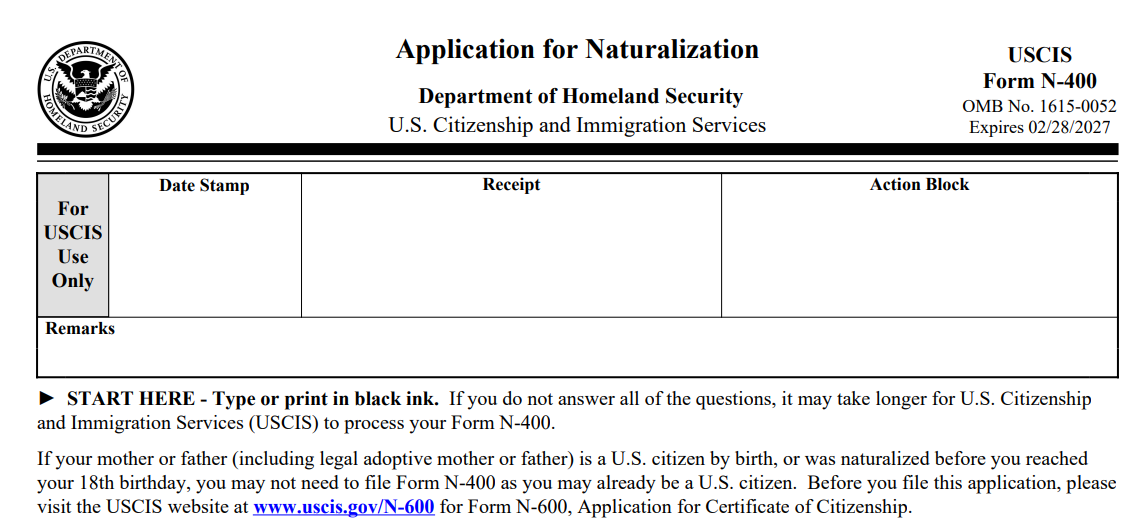
Many permanent residents eventually become U.S. citizens through naturalization. You can be eligible after five years as a permanent resident, or after three years if you're married to a U.S. citizen and meet the eligibility requirements.
Before you reach this stage, it's important to build a strong foundation during your Adjustment of Status (AOS) process. Submitting complete and well-organized evidence can help reduce delays and strengthen your application.
If you're preparing your green card application, our Green Card Evidence Guide provides a helpful checklist of the documents USCIS commonly reviews when evaluating Adjustment of Status cases.
When you later apply for naturalization, you'll need to demonstrate good moral character, continuous residence, and physical presence in the United States. Once you become a U.S. citizen, you no longer need to renew your green card.
The "10-year rule" generally refers to the validity period of a standard green card. A 10-year green card must be renewed every 10 years.
Most people receive a 10-year green card after successfully removing the conditions on a 2-year conditional green card. For marriage-based cases, this usually involves filing Form I-751 and proving the marriage was entered into in good faith.
Yes. A 10-year green card holder can still be placed in removal proceedings for certain reasons, including serious criminal convictions, immigration fraud, abandonment of residency, or other violations of immigration law. A green card provides permanent resident status, but it is not absolute protection from deportation.
In most cases, green card holders can apply after five years of permanent residence. If you are married to a citizen and have been living with your spouse, you may be eligible after three years. Applicants must also satisfy continuous residence, physical presence, and good moral character requirements.
A physical green card is good for 10 years, and a conditional green card is valid for two years. However, your permanent resident status lasts a lifetime as long as you maintain it.
Renew your green card on time, avoid long absences, and be compliant with immigration services requirements. If you need help sponsoring a family member or in moving up to a higher status of citizenship in the United States, we'd love to assist you. Give us a call today!