In California, filing a motion for a change of venue is a crucial step that can impact the fairness and convenience of your proceedings. Understanding the process—and having the right legal support—can make all the difference.
If you're involved in a legal case in California and feel that the location (or venue) of the court is unfair or inconvenient, you may have the right to request a change. This legal request is called a Motion for Change of Venue.
This guide breaks down the California forms you’ll need, the legal grounds for requesting a venue change, and expert tips to help you through the process smoothly. Let’s ensure your case is heard in the most appropriate court.
Key takeaways:
Changing the venue of your immigration case requires legal expertise.
Table of Contents
This is a legal request to move a court case to a different location within California. This is typically done to ensure a fair trial or for the convenience of parties and witnesses.
In legal terms:
Civil vs. Criminal:
Civil cases (like contract disputes or family law matters) follow different venue rules than criminal cases (which are usually tried where the crime occurred).
Why would someone want to change venue?
Relevant California Laws:
Venue changes are governed by California Code of Civil Procedure (C.C.P.) §§ 392–403.
Important Note: Filing correctly — with the right format, supporting documents, and legal justification — can make or break your request.
Under California law, you must have a valid reason to change venue. Common legal grounds include:
Convenience of parties or witnesses (C.C.P. § 397(a))
Impartial trial concerns
Improper original venue
The case was filed in the wrong court based on residency, property location, or jurisdiction.
Local prejudice or safety concerns
Threats or bias from the community may endanger one party or sway a jury.
Example Scenario 1: You live in San Diego, but your divorce was filed in Fresno. Your children, job, and family are all in San Diego, making it extremely inconvenient to travel for every hearing.
Example Scenario 2: A small-town criminal case involving a public figure is getting intense media coverage. It may be difficult to find an impartial jury.
Timing matters. You usually need to file your motion:
Where to file?
Typically, in the same court where the case was filed. Some appeals or motions might go to a higher court, depending on the case complexity.
Watch out for timing traps. Delays or late filings could result in automatic denial.
Let an immigration lawyer guide you through the venue change process, ensuring compliance with legal requirements.
Hire St. Louis Immigration Lawyers
When filing a motion for change of venue, California forms may seem complex. However, the process goes beyond simply completing paperwork and submitting it—it requires a strategic approach backed by clear legal reasoning and thorough documentation.
Here’s how to do it right:
Before filing anything, confirm that you have a legal reason under the California Code of Civil Procedure.
Tip: Gather documentation or statements (e.g., local news coverage, witness travel burdens) to back up your claims.
This is the core of your request. You’ll need to submit:
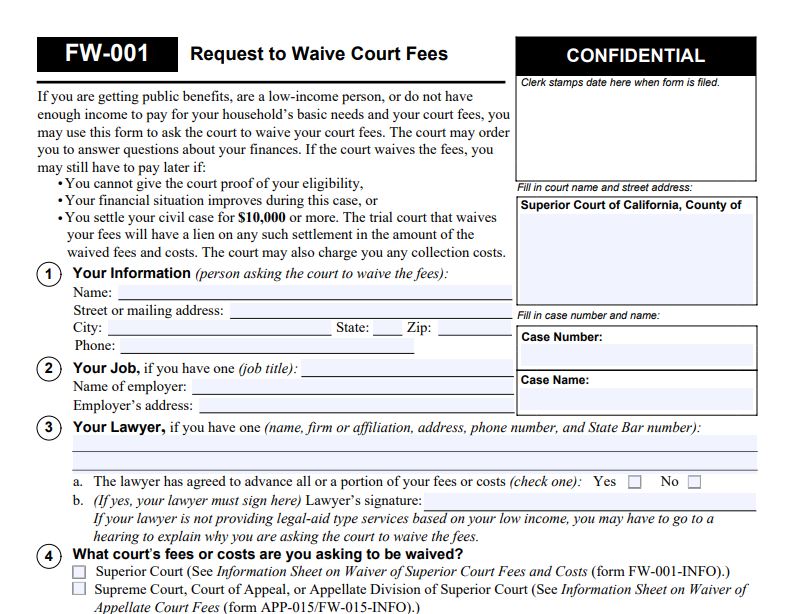
There's no official statewide approved form, so this motion is usually drafted from scratch. At Hacking Immigration Law, LLC, we can help you create one.
You’ll submit your motion to the same court where the case is currently pending.
California law requires that you notify the opposing party of your motion. Here’s how:
Tip: Missing the service deadline can get your motion thrown out—double-check dates!
If the court schedules a hearing (often the case), you must appear and argue your transfer venue motion.
The judge may rule immediately or take the matter under submission and decide later.
There are typically two outcomes:
If denied, you may be able to file a motion for reconsideration or appeal. This depends on the reasons and timing.
Avoid these common pitfalls to increase your chance of a successful venue change:
California courts are strict with timeframes.
Venue changes don’t only happen in civil lawsuits or criminal matters—they’re common in immigration cases, too. And, here’s where having an experienced immigration lawyer can make all the difference.
Immigration cases might need a venue change if:
Immigration law is complex, and a denied venue motion can delay or derail your case. An experienced attorney can:
Need Help? Hacking Immigration Law, LLC is here for you.
If your immigration case involves a complex legal strategy—like filing a motion for change of venue—it’s smart to have pros by your side.
Hacking Immigration Law, LLC is a nationally recognized immigration law firm that can:
We’ve helped thousands navigate the immigration system. Whether you’re relocating, dealing with court bias, or simply overwhelmed, we can help you, too.
Can I use the motion for change of venue in family court cases?
Yes. Venue changes can apply in family law, especially when one party has moved to another county or there's concern over local bias. Ensuring the case is heard in the most appropriate venue, California family law proceedings can significantly impact the fairness and outcome of custody, divorce, and support disputes.
How long does it take to get a ruling?
It varies. Some judges rule immediately after the hearing; others take days or weeks. You’ll receive a mailed or electronic notice.
What happens if I lose the motion?
Your case will remain in the original venue, but you may appeal or seek reconsideration if there’s a legal basis.
Do I need an attorney to file this motion?
Not legally, but a lawyer improves your odds significantly, especially in immigration or complex civil cases.
Can the other side fight the motion?
Yes, the opposing party can file an opposition. Be ready to respond with solid facts and legal citations.
Understanding the proper procedures and required documentation is crucial when filing a motion for a change of venue in a California family law case. The California superior court handling the case evaluates whether the request meets legal grounds, ensuring all motions align with court regulations.
To initiate the process, petitioners must submit the appropriate venue California form. Petitioners may need both locally approved forms, which vary by county, to ensure compliance with California’s broader judicial guidelines. Reviewing all forms approved for the process helps avoid errors or delays.
Whether you're aiming for fairness, convenience, or strategic advantage, having the right legal support and resources can make all the difference. Stay informed and take control of your case.