Getting married to your significant other living in the U.S. entails legal obligations after the vows. Learn all the processes you need to go through to live in the country without worries.
Saying "I do" to a U.S. citizen or a lawful permanent resident (LPR) starts a joyful chapter and legal responsibilities. The immigration process you need to go through after marrying lets the foreign spouse apply for an immigrant visa and become an LPR or a green card holder.
Let this guide take you through every process and what you can do to prepare for them.
Key Takeaways:
• The legal process a couple should go through after getting married is quite long. For starters, they can file to adjust their status or process their visa outside the U.S.
• Couples have to undergo medical examinations, background checks, and interviews before they can fully start their married life in the U.S. without worry.
• After getting the green card, the foreign spouse can apply for naturalization to become an official U.S. citizen.
Everything you need about immigration is here.
Table of Contents
If you want to qualify for immigration benefits through marriage, you must provide the following:
• Provide a valid marriage certificate and be legally married to each other.
• Show proof that the marriage is done out of love and not for immigration purposes.
• Fulfill all eligibility requirements for adjustment of status (AOS) or consular processing.
• Show that the sponsoring spouse is a U.S. citizen or an LPR.
Both pathways are legal for obtaining permanent resident status after you get married. Here's a breakdown of the two:
This process is used when the foreign spouse has a nonimmigrant visa or is already living in the U.S.
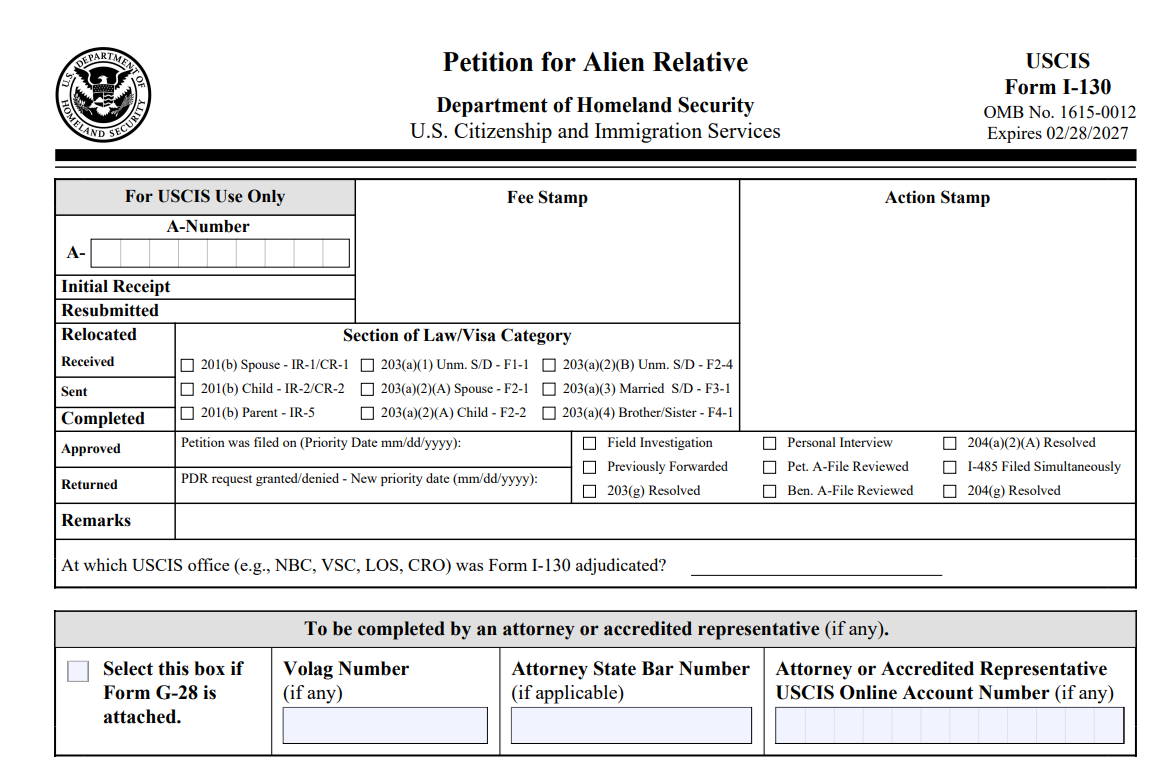
• Known as concurrent filing, you can submit Form I-130 (Petition for Alien Relative) and Form I-485 (Adjustment of Status) together.
• Prepare supporting documents, such as evidence of continuous residence (naturalization certificate, permanent resident card), marriage certificate, and birth certificate.
• If you plan to travel abroad, you can apply for employment authorization.
Here's how you can be eligible for AOS:
• Physical presence in the U.S. when filing Form I-485.
• Must have an approved immigrant petition, like the Form I-140 (employment-based), Form I-360 (special immigrants), and Form I-526 (investors).
• Must have an available visa number, as seen in the Department of State's visa bulletin.
• Must enter the U.S. lawfully, admitted or paroled.
• Must not be inadmissible under immigration law due to certain crimes, public health concerns, immigration violations, or fraud.
This is done when the foreign spouse isn't in the U.S. The process goes like this:
• Submit your Form I-130 to the United States Citizenship and Immigration Services (USCIS).
• The case will be transferred to the National Visa Center upon approval.
• The interview and visa issuance will take place at the U.S. consulate in the spouse's home country.
• The applicant can now enter the U.S. with an immigrant visa and will be granted permanent resident status.
The eligibility requirements include:
• Residing outside the U.S. or planning to apply for a green card from the home country.
• Must have an approved immigrant petition, such as the Form I-140 (employment-based), Form I-360 (special immigrants), and Form I-526 (investors).
• Must have an available visa number.
• Must not be inadmissible under U.S. immigration law unless eligible for a waiver, such as misrepresentation or prior unlawful presence.
• Must have completely filled out the Form DS-260 or the immigrant visa application.
• Must be present for the in-person interview at a U.S. embassy or consulate abroad.
• Must have medical exam results conducted by an authorized physician.
The citizen or LPR spouse must file Form I-130 to start the legal process officially. This form shows the familial relationships, and it needs proof of permanent residence or U.S. citizenship, a marriage certificate, and legal termination of previous marriages, like a divorce or death certificate. As evidence, joint bank accounts, lease agreements, and photos must also be provided.
The USCIS will give you a receipt notice to confirm that they received your petition after submitting the form.
This form must include vaccination requirements, medical records, passport photos, and supporting documents. Pay the general filing fee of $1,440.
This medical examination ensures that you're not inadmissible due to health grounds. The results are required if you're filing Form I-485 or applying for an immigrant visa outside of the U.S.
If you're in the U.S., a USCIS-designated civil surgeon can perform the exam. Find a surgeon in the USCIS civil surgeon locator.
If you're not in the U.S., a panel physician approved by the U.S. embassy or consulate can conduct the exam.
• Passport or government-issued photo ID
• Prior medical history documents
• Vaccination records
• Form I-693
• Payment for the exam, which can vary depending on the provider
Note: If you're applying in the U.S., do not sign Form I-693 until instructed.
• Physical examination (eyes, ears, lungs, heart, and more)
• Mental health screening
• Medical history review
• Chest X-ray (if required, usually for tuberculosis testing)
• Blood and urine tests for TB, syphilis, and gonorrhea
The U.S. Centers for Disease Control and Prevention requires these vaccines:
• Mealses
• Mumps
• Rubella
• Tetanus
• Diphteria
• Pertussis
• Varicella
• Hepatitis A
• Hepatitis B
• Influenza (seasonal)
• COVID-19
Doctors will update the missing vaccines when needed.
• The doctor completes the Form I-693 and seals it in an envelope.
• Don't open the sealed envelope.
• Submit it with your I-485. You can also bring the envelope to the green card interview.
The panel physician will directly send the result to the U.S. consulate or give you a sealed envelope.
The medical exam results are valid within two years if they're properly completed or submitted. If you've chosen AOS, the USCIS must receive the sealed Form I-693 within 2 years after the doctor signs it.
Applicants must complete the background check, such as providing fingerprints and undergoing security screening by the Department of Homeland Security.
Partner with our lawyers to move your case forward!
Hire a St. Louis Immigration Attorney
You and your spouse will be scheduled for an in-person interview at the USCIS office or U.S. consulate after your forms have been processed. Follow these preparation instructions:
• Review your application thoroughly.
• Prepare to explain updates and differences in your key information.
• Carry original and copies of your documents.
• Bring joint documents like bills, leases, photos, and bank statements.
• Practice interview questions applicable to your case.
• Arrive at least 30 minutes before the interview for more time for security screening.
• Dress professionally in business or formal attire.
• Keep yourself calm and listen carefully to the questions.
• Bring new or updated documents that can support your case.
The expected questions may involve your relationship with your spouse and your current living situation. The officers will review your supporting documents, and if your marriage is deemed legitimate, USCIS will approve your application.
However, officers may investigate further or report suspected marriage fraud if your case has too many red flags.
Once approved, your foreign spouse will get a permanent resident card or green card. They receive a conditional green card if they've been married to you for less than two years at the time of the application's approval. You can file to remove conditions later on and show a continued marriage.
You can apply for employment authorization with Form I-765 or advance parole, if you want to travel abroad, with Form I-131. During the entire process, you can work and re-enter the U.S. legally.
Processing time can depend on these factors:
• If the sponsoring spouse is a U.S. citizen or a permanent resident.
• The consulate or service center involved.
• The completeness of your supporting documents.
• Interview availability and background checks.
Typical waiting times are:
• Form I-130: Six months to one year
• AOS: 10-24 months
• Consular Processing: 12-18 months
Check the USCIS website or the Customs and Border Protection (CBP) website for updated timelines.
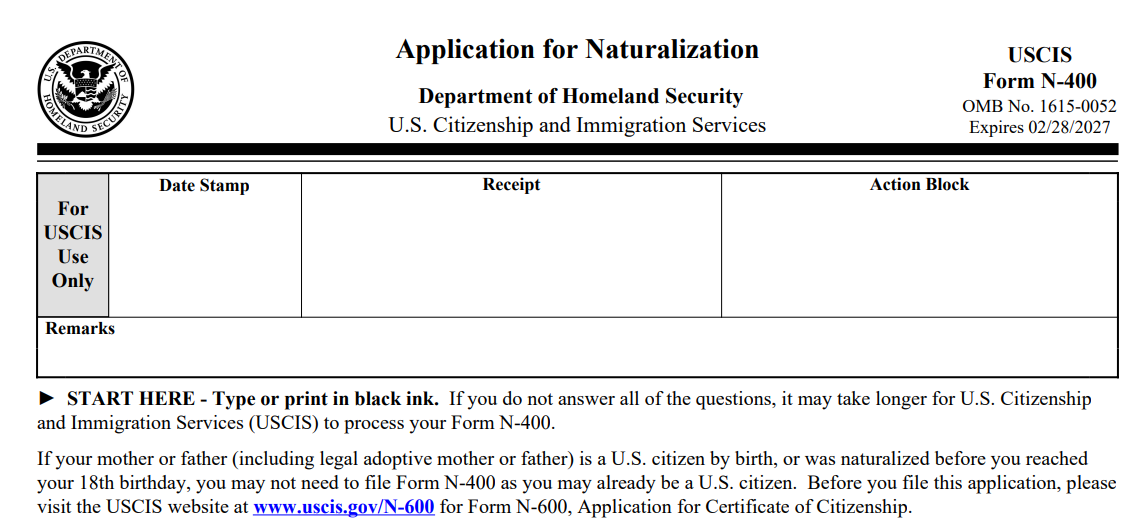
Now that you're the spouse of a U.S. citizen and a green card holder, you can apply for naturalization after three years of continuously living in the country. Just show the following:
• Good moral character
• Proof of physical presence in the U.S.
• A filled-out Form N-400 for citizen application
• Related documents like tax returns, birth certificate, and marriage certificate.
Your application can get delayed or denied when USCIS suspects marriage fraud. To avoid this, you should:
• Be honest in all of your filings
• Provide real evidence of your life with your spouse
• Avoid falsifying answers and documents
If you need more information about your case, visit the USCIS or CBP website. You can also download the official forms from these websites. When needed, schedule an appointment at the local USCIS office near you.
After getting married in the U.S., you need to deal with forms and deadlines and understand eligibility requirements so you can enjoy the rights and privileges the country can give.
While you may want to work on them on your own, working with a seasoned immigration lawyer gives you leverage that helps prevent denials, delays, and even removals from the U.S.
Here are some reasons why:
U.S. immigration law always changes. Sometimes, these changes can be overwhelming, and some even include a broad range of requirements. An immigration attorney can:
• Explain how current laws apply to some or all parts of your case.
• Break down the difference between an immigrant visa and a nonimmigrant visa.
• Guide you on the AOS and consular processing, whichever is appropriate.
• Specify the documents you need to prepare to show good faith in marriage.
You'd get a Request for Evidence notice due to missing supporting documents or minor form errors. Worse, your application could be denied, or get extended processing times, which could drain you financially. Your attorney can help you avoid:
• Incomplete green card application
• Incorrectly filed Form I-130 or Form I-485
• Misunderstanding vaccination requirements or the entire immigration medical examination
• Forgetting your birth certificate, marriage certificate, or proof of previous marriages (if applicable)
Filing an immigration petition without fully understanding the law comes with legal consequences. If you unknowingly submit inconsistent or false information, it could launch investigations and even flag you for suspected marriage fraud.
Let your lawyer help you with the following:
• Make sure your petition aligns with the citizenship and immigration services.
• Study and review your case to minimize red flags.
• Advise if it's applicable to report suspected marriage fraud.
• Help prepare for potential background checks and interviews at the nearest USCIS office.
Filing without help can cause delays, especially if even a single form gets rejected or a request is misunderstood. An immigration lawyer can assist you in tracking your receipt notice, interview dates, or work authorization documents. They can also prepare you for the green card interview and give you emotional support if you and your spouse are having some jitters.
Certain circumstances are tricky due to prior immigration issues or complicated situations. The lawyer can help you if the foreign spouse had a previous visa overstay, one of you has a criminal history, you plan to travel abroad during the application, or you're adjusting status from a nonimmigrant visa.
The immigration process after getting married is a mountain of forms, procedures, interviews, and waiting periods. You need to follow all the correct steps and submit the required documents. Thorough preparation, honesty, and patience can help you get a green card and build your life in the U.S. with the one person you love.
Work with our skilled St. Louis immigration attorneys from Hacking Immigration Law, LLC, to make the process easier! They provide expert advice and handle your case well for your peace of mind.
Whether you want to get a marriage-based green card or prepare for naturalization, our lawyers are your advocates and will help you with every step. Contact us today!