Why are Green Card cases denied?
The most common reasons for green card denial include missing documents, incorrect fees, immigration violations, criminal history, false statements, health-related grounds, and problems with green card eligibility. USCIS determines whether a green card applicant qualifies by reviewing the full application process, immigration history, medical exam, required documents, and any facts that could make a person inadmissible.
Hi, I'm Jim Hacking, an immigration lawyer who practices law throughout the United States at our offices in St. Louis, Missouri, and San Diego, California.
While the path to permanent residency offers incredible opportunities, it can also be a complex process. Unfortunately, green card applications are sometimes denied.
If you are starting or already navigating the green card application process, working with an experienced immigration attorney can help prevent an outright denial - starting with being aware of the following:
If you're considering applying or are already in the process, it's important to be aware of:
Table of Contents
So, there are two main inquiries in most Green Card cases. Now, first, we'll talk about marriage-based Green Card cases, and then we can talk about employment or Green Cards based on asylum. Those are really the three main ways that you're going to get a Green Card or be able to apply for a Green Card.
With every Green Card application, there's usually an underlying basis for it. Either the person has married a US citizen and is applying for a Green Card for lawful permanent residence status based on that marriage, or an employer is sponsoring them, or they have received asylum in the United States, and now the time has come for them to apply for a Green Card.
Denials can be similar or different in each of those kinds of cases. We'll discuss those today.
When applying for a Green Card, it's crucial to ensure that the underlying petition is approvable. Here are key reasons for Green Card denials:
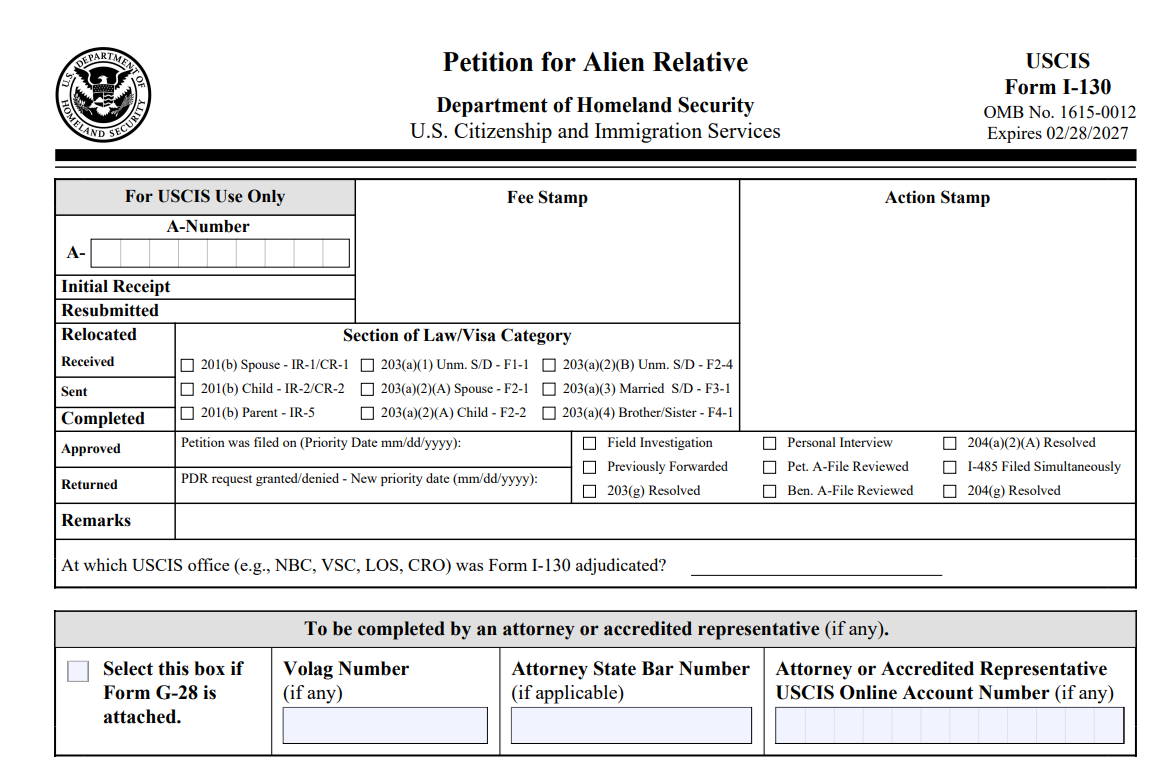
These are issues in the I-130 (marriage-based) or I-140 (employment-based) petitions that can lead to denial.
Whenever you're talking about the underlying basis for the Green Card, you're going to want to be thinking about, well, is the underlying petition approvable? One of the reasons why Green Cards get denied is that there's a defect in the underlying petition. In the marriage-based context, that would be an I-130, and in an employment-based context, that would be the I-140 petition for an alien worker.
Speaking about marriage, if there's something about the marriage that makes the marriage invalid, say one of the members of the couple wasn't legally divorced, or they are first cousins, or the person who is the petitioner is too young to sponsor the foreign national, or for a variety of reasons. It could just be lacking enough marital evidence. If the underlying petition is denied, then the Green Card is going to be denied.
The applicant must be admissible to the U.S. Factors like previous deportations, visa overstays, or a criminal record can make someone inadmissible.
One of the main things we see with marriage-based Green Cards is when the government believes there's been fraud. If there are any kind of allegations of misrepresentations or fraud on the part of the foreign national, or even the US citizen, that's another reason why Green Cards can be denied.
In the employment-based context, sometimes the I-140 will be approved, which is the process by which the foreign national is sponsored by the employer. The employer goes through all the hoops associated with trying to get someone an employment-based Green Card. But the U.S. Citizenship and immigration services (USCIS) is not satisfied.
We've been seeing a lot of pushback lately on Green Card applications, especially in those rare circumstances where somebody applies without an employer for a national interest waiver or any B1 type scenario. We're seeing lots of denials there.
On the employment side, if the government doesn't believe that the job is legitimate or that the person is qualified for the position, there might be some pushback. If there were US citizens or Green Card holders who could do that job, the government, USCIS specifically, is doing a lot more pushback on employment-based Green Cards.
And then, with the asylum, we've been seeing more and more that USCIS goes back and looks at the underlying asylum application. They scrutinize that Green Card application very heavily to see if there are any discrepancies between what the person said on their asylum application and what they said on their Green Card application. This is especially true when there's been a big gap between when you get asylum and when you apply for a Green Card.
You always have to ask these questions:
And this is going to be the same in the I-130, the I-140, and the asylum grantee context. There's always the question of the beneficiary's admissibility.
These are all ways that you can be inadmissible.
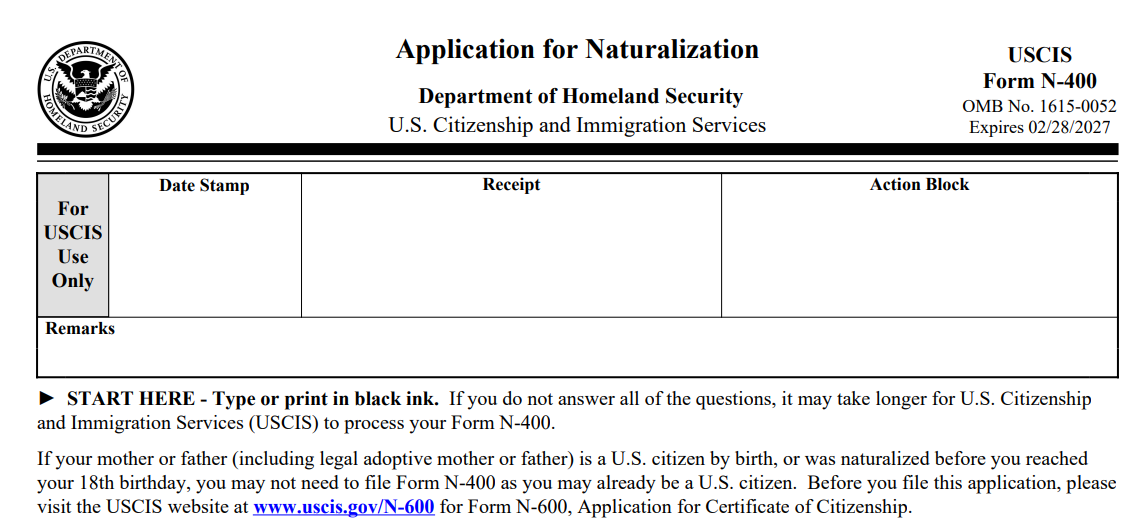
Obtaining a green card involves a key form called the I-485, also known as the Application to Register Permanent Residence or Adjust Status. This form plays a role in determining your eligibility.
Now, the I-485 is the form that's used by foreign nationals to say that they want to get permanent residence in the United States. When I first started doing immigration law, these forms were six pages long. Now, they're 20 pages long and split down the middle with questions in each column. And so, there are a lot more questions about admissibility.
Some of the areas explored in the I-485 include these questions:
If you really want to understand all the ways that Green Card cases can be denied, look at those questions on the I-485. Those questions are all designed to bring out information related to all the statutory reasons why someone could be inadmissible to the United States. So, really, to get the best understanding is the 485 itself.
To avoid denial, ensure the underlying petition is strong, and the applicant meets all admissibility requirements.
If USCIS denies your green card, read the denial letter carefully. The green card denial notice should explain the legal reason for the decision, whether USCIS believes evidence was missing, whether you were deemed inadmissible, and whether you may be able to file a motion.
Depending on the case, your legal options may include:
At Hacking Immigration Law, LLC, our immigration attorneys help you understand why USCIS denies your green card applications and what to do next.
The main reasons for green card denial include missing documents, incorrect fees, prior immigration violations, criminal history, false statements, fraud, health-related grounds, security concerns, and failure to prove green card eligibility. USCIS determines each case based on the applicant’s forms, evidence, immigration history, and whether the person is admissible under immigration law.
Yes. Criminal history can cause a green card denial, especially if you have criminal convictions for certain crimes, crimes involving moral turpitude, drug offenses, fraud, or offenses that raise national security concerns.
A green card applicant with any arrest or conviction should speak with an experienced immigration attorney before filing.
Yes. Immigration violations such as unlawful presence, visa overstays, prior removal proceedings, deportation proceedings, or false statements to immigration authorities can make you inadmissible. Some cases may qualify for a waiver, but others require careful legal analysis before filing a green card application.
If USCIS denies your green card application, you should receive a denial notice or a denial letter explaining the reason. Depending on the facts, you may be able to file a motion to reopen, file a motion to reconsider, submit new evidence, appeal to the Administrative Appeals Office, or file a new application.
A motion to reopen asks USCIS to look at the case again because new evidence is available. The new evidence must usually be relevant to the reason for the denial and strong enough to convince USCIS that the case should be reopened.
A motion to reconsider argues that USCIS made a legal or factual mistake when denying the case. It is not just a chance to repeat the same arguments. It must explain why the decision was wrong under immigration law.
Yes. A green card holder can face a green card renewal denial if USCIS finds fraud, certain criminal convictions, prior immigration violations, or other issues affecting permanent resident status. If you are a lawful permanent resident, you should not ignore a renewal denial because it may create future immigration problems.
Yes. Missing required vaccinations or failing to complete the required medical exam can lead to a denial or delay. USCIS requires most green card applicants to submit proper medical exam documentation to prove they do not fall under health-related grounds of inadmissibility.
Yes. False information, considered fraud or willful misrepresentation, can lead to green card denial and may make you inadmissible. This includes false statements on forms, at interviews, in prior visa applications, or to immigration officials.
If you find yourself going through an I-485, you say, "Oh boy, this question applies to me. Maybe this means I'm not admissible." You might need some help. Hacking Immigration Law, LLC can assist you.
If you need our help, call us at (314) 961-8200. You can email us at [email protected]. Be sure to join us in our Facebook group called Immigrant Home. We'd love to see them there. Subscribe to our YouTube channel for updates whenever we make videos, just like this one. And then, every Tuesday and Thursday, usually at noon Central time, you can find me in an Immigrant Home and on our YouTube channel, answering all your questions for free for an hour. So I hope that helps. If it does, or if you need anything, call us.
Thanks a lot. Have a great day.