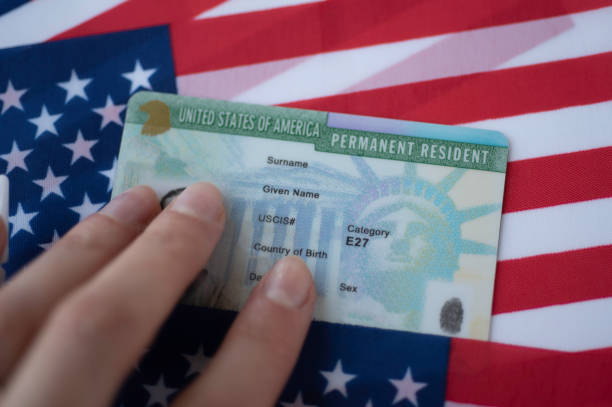
Understand the factors that impact USCIS processing delays and the steps you need to take for a smooth sailing journey to permanent residence.
The United States Citizenship and Immigration Services (USCIS) is a key part of the immigration process. It issues visas, green cards, and citizenship to people from all over the world.
But the long wait times for handling are one of the most frustrating parts of this process for people who want to apply. In this piece, we'll look at the real reasons why USCIS processing times are so long and give you tips on how to deal with them.
Key Takeaways:
Receive all the help you need with immigration matters.
Table of Contents
A green card is important for your lawful permanent residence journey in the United States. However, some green card applicants may face unexpected delays. These delays can affect people in various green card categories, including family-sponsored green cards, employment-based green cards, and immediate relatives.
Here are the factors affecting the green card processing:
The U.S. can only admit a certain number of green card holders by country and category. A backlog happens when applications exceed, especially for certain categories like those with family ties in the U.S. or unmarried children of U.S. citizens. This will make people wait for their priority date before moving forward with their applications.
Parts of the application should be processed by a government agency, such as the National Visa Center and the USCIS field office. Processing times can slow down due to outdated systems and limited staffing. The U.S. government has also struggled with allocating resources and responding promptly, which has added to delays.
Your home country may have high immigration levels to the U.S., especially in the immigrant visa and visa category queues. Ask your immigration lawyer what you can do while your application is pending.
Unexpected things, like natural disasters or global pandemics, can stop regular operations and delay processing times. Priorities in USCIS may change, and your application may sit within their walls for some time.
Always understand the category you’re under to track your place in the list and manage your expectations. Despite the frustration, you should still be patient with yourself and the agency during these trying times.
One of the main reasons why USCIS takes so long to handle things is that they have too much work and not enough people to do it. The agency gets many applications every year, and its limited resources and staff have difficulty keeping up. This slows down the process a lot because each application needs to be carefully looked over and evaluated.
Also, cash constraints and hiring freezes have worsened the staffing problems at USCIS. Because fewer people do the work, the working times have to go up. It is important to know that these delays are not due to the inefficiency or carelessness of USCIS workers. Instead, they are caused by the system's limits.
The fact that USCIS often changes its policies is another big reason why it takes so long to process applications. As laws and rules about immigration change, USCIS must change its processes and requirements to keep up. But as both applicants and USCIS workers get used to the new rules, policy changes often cause confusion and delays.
Policy changes, such as employment authorization rules, can affect everything from who is eligible to what paperwork is needed to support certain applications. Because of this, USCIS may need more time to handle applications correctly and ensure they follow the most recent rules. Applicants must stay current on these changes and adjust their expectations properly.
Be informed about the latest in immigration.
More Immigration Tips and News
In addition to internal factors, outside events can cause USCIS working times to be longer than expected. For instance, changes in the political landscape, like changes in immigration policies or goals, can affect how much work USCIS has to do and its top priorities. Unexpected things, like natural disasters or global pandemics, can also stop regular operations and delay processing times.
It's important to realize that USCIS and its workers can't do anything about these outside factors. Even though it's frustrating, knowing how these things play a role can help applicants manage their expectations and plans. You must be patient and flexible in dealing with USCIS filing time delays.

Even though delays in USCIS processing times can be frustrating, there are procedures you can take to make this difficult process go more smoothly. Here are some ways to deal with the delays and lessen the effect they have on your visa journey:
Check the USCIS website often or sign up for email updates to stay up-to-date on how long things take to be processed. Knowing how long it takes for your application to be processed now can help you set realistic goals and make plans.
To stay updated on USCIS processing times and any changes or announcements, it is recommended to utilize the following resources:
Ensure that your application is complete and correct and that you send all the necessary documents to back it up. Applications that are incomplete or are wrong can cause more delays because USCIS may need to ask for more information or clarification. Ensure your application is correct before sending it in to avoid unnecessary delays.
For an extra fee, USCIS offers a service called "premium processing" for some applications. With this choice, the working time is cut down to 15 calendar days. If your application is qualified for premium processing, consider using it to reduce the time you have to wait.
If your application has been waiting a long time, you should contact USCIS to find out what's happening. You can call or ask the USCIS National Customer Service Center an online question. Even though this may not speed up the time it takes to process your application, it can give you more information and peace of mind about how things are going.
During the USCIS process, keeping your expectations in check is important, especially for processing time gaps. Here are some ideas to help you get through this hard time:
Knowing that USCIS processing time delays are normal can help you be patient while you wait. Remember that thousands of forms are being processed simultaneously, and your immigration case will be handled when it's time.
When you start the process of immigrating, it's important to plan and think about possible delays. Take the working times that USCIS gives you into account when planning to move, looking for a job, or doing anything else that may be affected by the processing time.
It can be draining to deal with USCIS processing delays. Reach out to people who can help you through this hard time, like friends, family, or immigration support groups. They can give you advice and understanding. Sharing your stories and what you know can help ease the stress of waiting.
If the USCIS takes a long time to process your application and you need more help, you should talk to a lawyer. An immigration lawyer or other trustworthy immigration authorities can help you. They can help you determine why there are delays and look into possible answers or other options.
Work with the best lawyers today!
There may be delays in immigration cases because of things like high demand, complicated application processes, policy changes, and a lack of resources at USCIS service centers. These delays can affect permanent visas like tourist visas and immigration perks like green cards.
Immigration applications take different amounts of time to process based on things like the type of immigration benefits being sought, the USCIS service center or office that is handling the case, and the overall number of cases. Processing can take 1 to 3 months for easier cases, but for more complicated ones, it could take 1 to 2 years or even longer.
If your visa case is taking longer than expected, you can check the USCIS website for the most up-to-date information on processing times. If your case has been pending for much longer than the time given, you might want to call USCIS, send in a service request, or talk to an immigration lawyer for advice on possible solutions.
In the immigration process, the receipt letter is very important. It shows that USCIS has received your immigration application and given it a case number. This notice also gives a range of expected times for processing. If you haven't gotten a receipt notice in the time you were told, you should call USCIS to make sure your application is being handled.
Yes, you can ask for your visa application to be processed faster in some situations. Most of the time requests to speed things up are given when they are needed quickly, like when there is a humanitarian crisis or a big financial loss. You'll need to show proof that your request is reasonable. Remember that not all cases can be processed quickly, and USCIS can decide whether or not to accept such requests.
Even though USCIS processing delays can be annoying and hard to predict, it's important to take care of your immigration journey by staying informed, managing your expectations, and getting the help you need. Understanding the reasons for the delays, such as problems with tasks and hiring, changes in policy, and outside factors, can help you get through this hard process more easily.
Be patient, plan, and remember to ask for help when needed. By carefully taking these steps, you can lessen the effects of USCIS handling delays and get closer to your immigration goals.
Don't be afraid to talk to an immigration lawyer or a qualified representative specializing in immigration law if you need help or legal advice with your USCIS application or if there are delays in processing time.
Talk to our St. Louis immigration lawyers now!