You should meet certain requirements if you're applying for U.S. citizenship. Find out what's in store for you.
Becoming a U.S. citizen is the final step for many green card holders. A green card gives you stability as you live your life in the United States. However, your permanent resident card isn't the same as full American citizenship.
U.S. citizenship is a life-changing turning point in your immigration journey. You can vote for American politicians, run for elected office (except President and Vice President), get a U.S. passport, apply for federal jobs, and sponsor your family members to live with you.
This article details the naturalization process, eligibility requirements, and the steps green card applicants must take to become a US citizen.
Key Takeaways:
• The U.S. citizenship requirements include continuous residency in the U.S., good moral character, and passing the English and civics exams.
• There are exemptions to taking the tests, especially if you're older than 50-55.
• The naturalization process involves filling out forms, submitting documents, having your fingerprints collected, attending an interview, and taking an oath.
Give your immigration journey a clear direction by accessing all the information you need here.
Table of Contents
A green card proves that you're a lawful permanent resident (LPR) of the U.S. Holding an LPR status means you can live and work anywhere in the country permanently and apply for a Social Security number or a driver's license. However, the card doesn't give you full protection and rights as a U.S. citizen.
As a green card holder, you can't vote in the U.S. elections. You can also be at risk of deportation proceedings once you violate immigration laws. Your extended stays outside of the United States can affect the stability of your permanent residence status.
For many immigrants, starting the naturalization process is the best step after getting permanent residency.
This is the legal process for a foreign national with a lawful permanent status to become a U.S. citizen. The United States Citizenship and Immigration Services (USCIS), under the Department of Homeland Security (DHS), handles the application for naturalization.
To officially become a citizen, you must submit forms and documentation, attend an interview, and take an Oath of Allegiance.
INA, or the Nationality Act, sets the eligibility requirements for naturalization. It covers:
• Rules for foreign nationals with an LPR status.
• Protections for special immigrant categories.
• Legal pathways for military service members, citizen parents, and citizen spouses.
• Conditions that could deny the application, such as criminal history and fraudulent claims.
Only a chunk of green card applicants can qualify for citizenship. Review the requirements for U.S. citizenship carefully before you file, as meeting every condition is essential to avoid delays or denials, including:
• You must be holding a green card for at least five years of lawful permanent residence with continuous residence and physical presence.
• If you're married to a United States citizen (citizen spouse), start applying for citizenship after three years in a good faith marital union. Show proof of marriage, such as joint accounts and shared residence.
• File Form N-400 when you're at least age 18.
• You must have continuously resided in the United States as a permanent resident.
• File your income tax returns according to schedule and avoid fraud or criminal charges.
• Be consistent with financial responsibilities, such as child support, if you're married and have children.
• You should speak basic English and pass an English test.
• You must also pass a civics test. Its questions include U.S. history, the Constitution, and the government.
This process can feel overwhelming. We're breaking down the steps to make it easier for you to follow when you apply for citizenship.
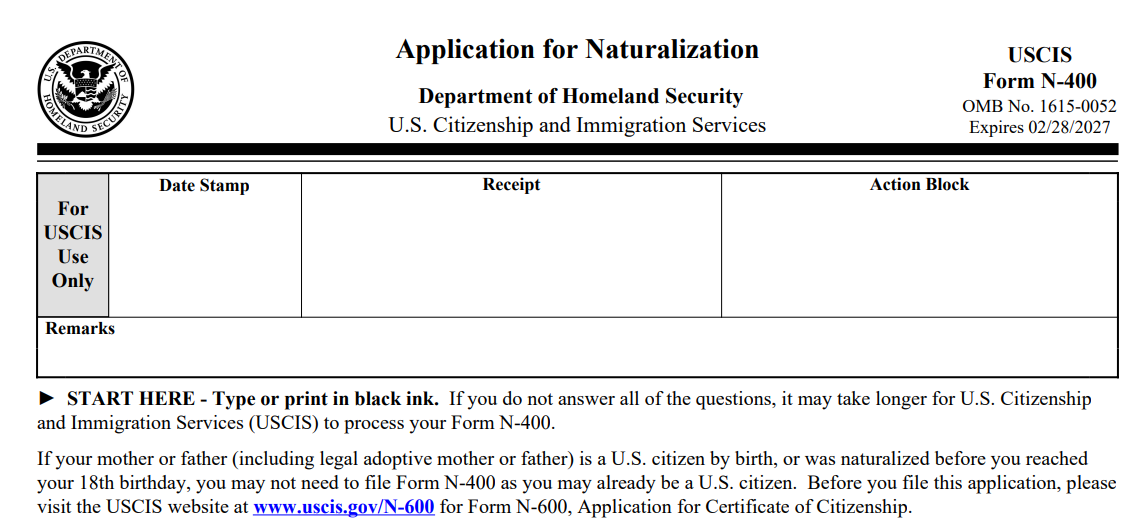
• Fill out the Form N-400 (Application for Naturalization).
• Submit the form through the official USCIS government website.
• Include the green card, income tax returns, and other documentation.
• Pay the filing fee. The general filing fee is $760 for paper and $710 for online. But always check the USCIS website for current naturalization application fees, as these are subject to change.
• The officers will collect your signatures, fingerprints, and photos to confirm your history and check if you have criminal records.
• Attend the scheduled interview and take the English and civics test. Answer at least six out of 10 questions in the civics test.
• After passing the exam and application, take this oath to fully become a U.S. citizen. Get your certificate of naturalization after the ceremony.
Let our immigration lawyers do the legal side of things so you can become an American citizen without waiting too long.
Here are some rules for naturalization applications for members of the armed forces:
• Armed forces members can apply for U.S. citizenship without being a resident for five years.
• Lawful permanent residents who served during periods of conflict can apply right away.
• The USCIS allows some service members to complete the naturalization process while they're outside the United States to avoid delays caused by deployment.
• Military applicants may not need to pay the filing fee for Form N-400.
• Spouses and family members of military personnel can also have their naturalization or immigration benefits expedited.
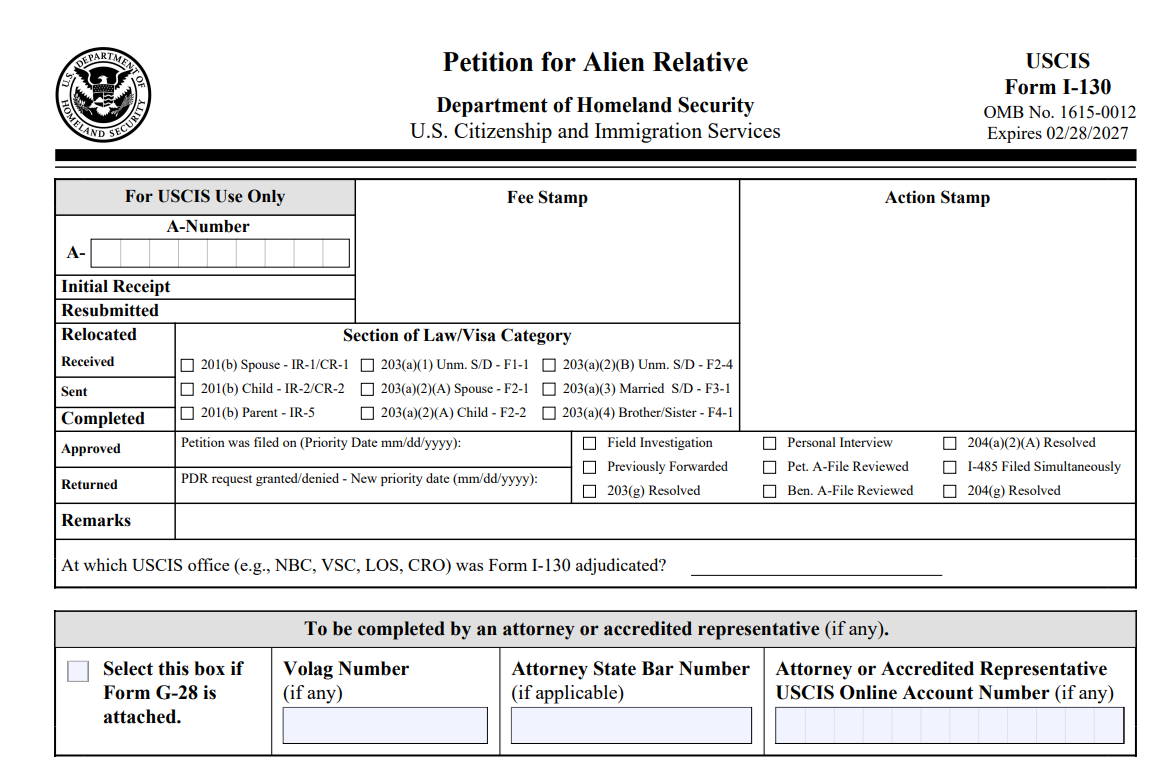
• A citizen spouse serving abroad can file petitions to bring their family members to the U.S. faster.
• If a service member dies while they're on duty, the DHS can grant posthumous U.S. citizenship to protect the surviving family members.
• Other older green card holders can opt out of the English test. This applies to applicants older than 50 with permanent resident status for 20 years and those older than 55 with permanent residency for 15 years.
The Form N-648 or Medical Certification for Disability Exceptions requests to waive the ability for green card holders to not take the English or civics test due to medical, developmental, or physical disabilities.
Lawful permanent residents who have been living in the U.S. and are qualified for other eligibility requirements, but can't fulfill the testing part due to a documented physical, mental, or developmental impairment.
A licensed medical doctor, clinical psychologist, or osteopath must complete the form.
The diagnosis must be explained, showing the impact on the applicant's ability to learn or show basic English skills and civics knowledge. It should also explain why the disability may last at least a year or permanently.
When the waiver is approved, the applicant doesn't have to speak basic English and take the English and civics tests.
File Form N-648 with Form N-400. The USCIS may ask for additional documentation or schedule an interview to clear things up.
The waiver can be denied if the medical explanations are vague or incomplete. Submit proof from a qualified medical professional to avoid delays. Always check the USCIS website for proper legal guidance.
Even eligible applicants can still be denied if they make these mistakes:
• Failing to submit income tax returns.
• Being out of the United States for too long.
• Incomplete naturalization application.
• Forgetting to check the official government website for updated policies.
• Misunderstanding changes from past policies, like those from the Trump administration.
Aside from voting, applying for federal jobs, and living permanently in the U.S., being an American citizen entitles you to:
• Consular protection abroad and easier international travel with the U.S. passport.
• Protection from deportation proceedings, since citizenship is already permanent.
• Access to government grants and scholarships exclusively for U.S. citizens.
• The ability to participate in civic life, such as serving on juries.
• Unlimited time to remain outside the United States, though certain legal and tax implications may still apply.
1. How long can I apply for US citizenship after green card?
You can apply for citizenship after being a green card holder for at least five years. If you have a citizen spouse, apply after three years of marriage.
2. Do I have to take the English and civics tests?
Yes, you should. You can opt out if you meet age-based or long-term residence exemptions.
3. What happens if my application gets denied?
After getting denied, appeal or reapply once you meet the other eligibility criteria.
4. Can I lose my permanent resident status before becoming a citizen?
Yes, you can, especially if you're under deportation proceedings, have committed crimes, or have abandoned your residence.
5. Where do I find official forms and instructions?
Go to the USCIS' official government website to get Form N-400 and read the filing instructions.
Learning how to become a U.S. citizen after getting your green card is a process that rewards patience, preparation, and the right legal guidance. Knowing and meeting the requirements, following the usual application process, and avoiding common mistakes will help you transition from a resident to a citizen in no time.
Depending on your situation, you can become a citizen faster than you think. Check the USCIS website for any policy changes and work with an immigration lawyer to help you out during the application process.
All of us at Hacking Immigration Law, LLC, commit to providing the best legal services to get you through the naturalization process as smoothly as possible. Contact us now!