The main difference between green cards and visas is that a green card allows an immigrant to work and live in the United States for an indefinite period of time. A visa, on the other hand, allows an individual to live in the United States for a temporary period of time. It is important to note that there are some exceptions that apply to both.
Visas and green cards are documents that the government issues for the benefit of immigrants. While they do have some similarities, they also have some differences that grant immigrants different privileges while they are residing in the United States.
The main difference between visas and green cards is that a visa allows an individual to live in the United States for a temporary period of time. A green card, on the other hand, allows an immigrant to work and live in the United States for an indefinite period of time. It is important to note that there are some exceptions that apply to both.
United States Citizenship and Immigration Services (USCIS) is the governmental agency that issues both immigrant visas and green cards. If you are in the process of obtaining an immigrant visa – or if you have a visa and are attempting to obtain a green card – you should retain legal counsel to assist you throughout the process. An experienced immigration attorney from Hacking Immigration Law, LCC could explain to you the differences between these documents and help you obtain the one you need to reside in the United States, depending upon your circumstances.
Key takeaways:
• Visas are temporary, whereas a green card provides permanent residency.
• Most nonimmigrant visas are for specific activities like study, tourism, or work; a green card lets you live anywhere in the country and change jobs freely.
• Visas are typically issued by embassies in your home country, while the United States Citizenship and Immigration Services (USCIS) handles adjustment of status for green cards.
Choosing between a temporary visa and permanent residency is a high-stakes decision that defines your future in the United States.
Table of Contents
A green card allows its holder to live and work in the United States for an indefinite period of time. To retain your green card, however, you must not commit any crime that would result in deportation. Those crimes typically include aggravated felonies and other serious crimes.
If you’re a green card holder, you must also remember not to let your status lapse, and you must apply to renew your legal permanent residence status on a regular basis. Immigrants can obtain green cards in a variety of ways and for various reasons.
To get a green card, applicants usually fall into these categories:
• Employment-Based Green Cards: Reserved for skilled workers, those with advanced degrees, or individuals who have a specific job offer from many employers in the U.S.
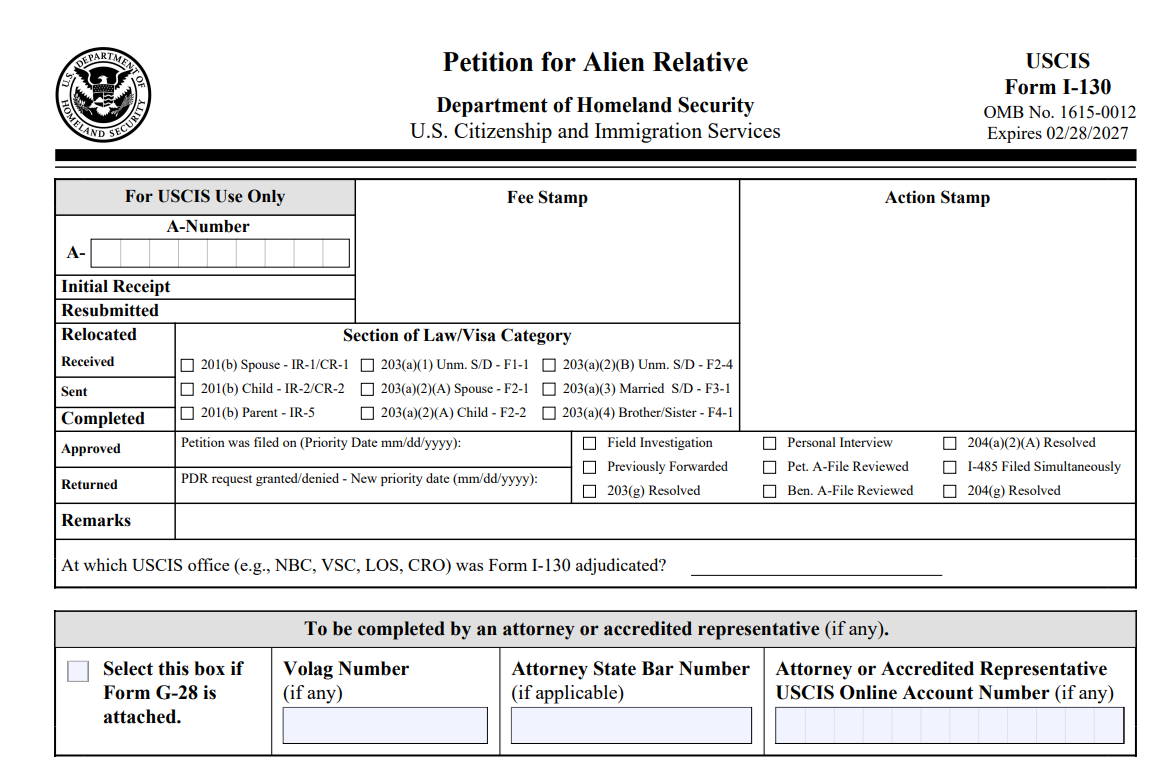
• Family-Based Green Cards: Available to family members such as spouses, children, or close relatives of U.S. citizens.
• Diversity Visa Lottery: A program for foreign nationals from countries with low immigration rates to the U.S.
• Refugees and Asylees: Those who have been in the U.S. for at least one year may apply for a green card.
As a green card holder, you have the right to start your own business and eventually apply for citizenship. However, you must maintain your resident status by not committing serious crimes and by not abandoning your permanent residence by staying outside the U.S. for too long.
A visa is essentially an entry permit placed in your passport. It lets you stay in the United States for a temporary period of time. United States embassies and consulates from around the world generally issue these temporary visas. While a visa allows you to go to a point of entry and request permission to enter the United States, it does not automatically allow you to enter the country.
The visa type you receive will vary depending on your reason for travel. There are two primary categories:
• Tourist visa (B1/B2) for leisure or business.
• Student visas (F or M) for education.
• Work visas (H-1B, L-1) for specific employment.
Note: For a temporary worker to obtain a non-immigrant visa, you must be engaged in a “qualifying occupation.” Qualifying occupations include laborers, some individuals with college degrees, and religious workers.
Important Note: Visa holders are tied to the specific terms of their current visa. For example, if your visa expires, you must leave or obtain a new visa to stay legal. Some visas allow for dual intent, meaning you can hold a temporary visa while actively starting the green card process.
The rules governing visas and green cards change frequently, making expert legal guidance more important than ever.
Is a visa the same as a green card?
No. A visa and a green card have different purposes. A visa is for temporary entry, while a green card is for permanent residency. Think of a visa as a key to enter the house, and a green card as ownership of the house.
Can I work on a tourist visa?
No, a tourist visa does not provide work authorization. To work, you generally need a temporary work visa or a green card.
What happens when my visa expires?
When a visa expires, you lose your legal visa status. You must depart to your home country or apply for a new visa or an adjustment of immigration status before the expiration date to avoid legal issues.
Can I change from a visa to a green card?
Yes, this is often called adjustment of status. Many individuals who enter on non-immigrant visas (such as student or work visas) eventually transition to permanent resident status through employment-based or family-based green cards.
Does a green card expire?
While permanent resident status is indefinite, the physical permanent resident card usually expires every 10 years and must be renewed. Your status remains valid as long as you remain a lawful permanent resident in good standing.
Federal immigration laws and statutes can be confusing; as such, it can be difficult to understand the differences between green cards and visas. An experienced immigration lawyer could help you decide which document is applicable to your unique situation and could assist you with applying for a visa or green card.
Whether you are looking for visa options, dealing with expiration dates, or ready to apply for a green card, Hacking Immigration Law, LLC is here to help.
Our immigration attorneys can assess if you qualify for employment-based or family-based status and guide you through every step of the immigration services system.