If you think having a green card means you’re completely safe from deportation, think again. While lawful permanent residents (LPRs) have the right to live and work in the U.S., they’re not immune from being removed. Certain actions or violations can cause immigration authorities to start the deportation process, which could strip away your status.
Recently, immigration lawyers at Hacking Immigration Law, LLC have seen a sharp increase in cases where green card holders or applicants are being issued Notices to Appear (NTA) — the first step toward removal proceedings.
If you’re a green card holder, applying for lawful permanent residence, or have a pending case, here’s what you need to know about how deportation can happen and how to protect yourself.
Key Takeaways:
• Yes, green card holders can be deported. Serious crimes, fraud, or certain immigration violations can trigger removal.
• USCIS is now issuing more Notices to Appear than ever. Since early 2025, denied cases have been increasingly referred to immigration court.
• Hiring an experienced immigration law attorney is ideal. Guidance from firms like Hacking Immigration Law, LLC can help you protect your status.
Need help defending your status? Talk to an expert who can protect your rights.
Table of Contents
Deportation (officially called “removal”) is when the U.S. government orders someone to leave the country. While it’s often associated with undocumented immigrants, lawful permanent residents can also be deported for specific reasons.
Three agencies under the Department of Homeland Security (DHS) handle immigration enforcement:
• USCIS (U.S. Citizenship and Immigration Services) – Manages green cards, citizenship, and immigration benefits.
• ICE (Immigration and Customs Enforcement) – Enforces laws and carries out removals.
• CBP (Customs and Border Protection) – Oversees border entry and inspections.
Historically, USCIS has focused on granting benefits rather than enforcement. But a February 2025 policy change now encourages USCIS officers to issue NTAs when denying immigration applications if the applicant has no valid status.
In other words, a simple denial of a green card can now lead directly to deportation court.
So, can a green card holder be deported?
Unfortunately, yes. There are several situations where lawful permanent residents may lose their status and be placed in removal proceedings.
If a green card holder committed certain crimes, deportation can follow. Some of the most serious include:
• Aggravated felonies (such as drug trafficking, murder, or serious theft)
• Crimes of moral turpitude (like fraud, larceny, or assault)
• Child abuse or domestic violence
• Firearms or drug-related offenses
Even relatively minor offenses can have major immigration consequences depending on timing and plea agreements.
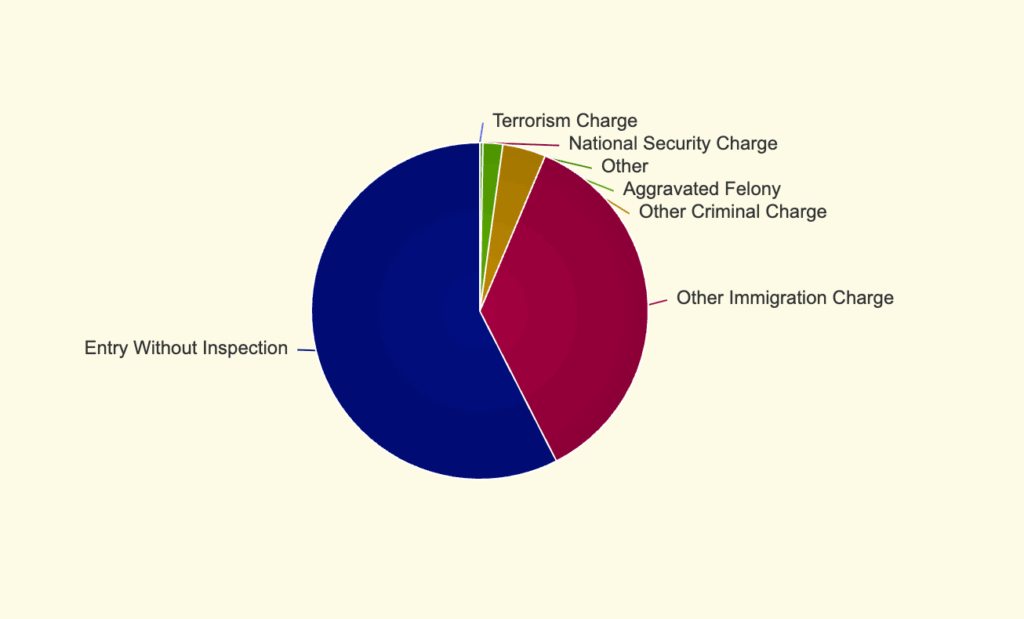
According to TRAC court records, 1.59% of new FY 2025 deportation cases were based on alleged criminal activity — excluding illegal entry.
If USCIS determines you obtained your lawful permanent resident status through fraud, for example, a sham marriage or fake documentation, your status can be revoked.
In marriage-based cases, officers often investigate whether the relationship is genuine. If they find the marriage existed only for immigration purposes, deportation proceedings can follow, and both spouses may face penalties.
If you stay outside the U.S. for extended periods (usually more than six months to a year), the government may consider that you’ve abandoned your permanent resident status.
Even shorter trips can raise concerns if you appear to be living elsewhere. Keeping U.S. ties, like a job, tax filings, and a home, helps maintain your lawful permanent residence.
Neglecting to renew your green card or failing to notify USCIS of a new address within 10 days can cause complications. Though rare, not updating your address is technically a deportable offense under immigration law, and it can affect future applications like citizenship.
If your visa or green card application is denied and you no longer have a valid status, immigration authorities may issue an NTA, sending you straight into the deportation process.
This is now one of the most common reasons for deportation among applicants. Between February and June 2025 alone, USCIS issued over 26,000 NTAs — a 2,800% increase compared to the previous year.
If you’ve received an NTA, been accused of fraud, or need guidance on your lawful permanent resident status, contact Hacking Immigration Law, LLC today.
A Notice to Appear (NTA) is the official document that begins deportation proceedings. It lists your personal details, the alleged violations, and the immigration laws the government claims you’ve broken.
Once you receive an NTA, your case goes before the immigration court or Executive Office for Immigration Review. There, a judge will ask if you admit or deny the allegations and decide whether you qualify for relief.
Your first hearing, also known as the Master Calendar Hearing, determines what happens next:
• You can apply for relief from removal, like asylum or adjustment of status.
• You may request to terminate or dismiss the case.
• Or, if denied, you could receive an order of deportation.
Getting an NTA doesn’t mean you’ll be deported immediately. But it’s crucial to act fast with an attorney who understands immigration law and deportation defense.
Before 2025, if your green card or visa was denied, USCIS often allowed you to reapply or appeal. But the new February 2025 policy memo changed that.
Now, if USCIS denies your application and you’re out of status, they must issue an NTA — automatically referring your case to immigration court.
This applies to:
• Applicants with conditional permanent resident status
• Visa overstays
• Individuals with expired student or tourist status
• Marriage-based green card applicants with denied petitions
The result? Thousands of lawful permanent residents and applicants now face the deportation process even after following the system properly.
If you receive an NTA, don’t panic — but don’t ignore it either.
Here’s what you should do:
1. Call an immigration lawyer immediately.
Firms like Hacking Immigration Law, LLC, handle removal defense every day. They can identify your best options and represent you in court.
2. Determine if you qualify for relief.
You may still be eligible for:
• Asylum
• Family or marriage-based green cards
• Cancellation of removal
• Adjustment of status
• Naturalization (in rare cases)
3. Show up for all hearings.
Missing a hearing leads to an automatic deportation order. Make sure USCIS has your current address.
4. Gather strong evidence.
Proof of family, community ties, tax filings, and long-term residence in the U.S. strengthens your case.
Facing the deportation process as a green card holder can be terrifying. But a trusted immigration attorney can guide you.
An attorney can:
• Challenge the grounds for deportation
• File appeals or motions to reopen your case
• Seek prosecutorial discretion
• Apply for waivers or relief from removal
• Advice on preserving your lawful permanent resident status
The team at Hacking Immigration Law, LLC, led by Jim Hacking, has helped thousands of clients resolve immigration delays, green card issues, and deportation cases.
They specialize in:
• Green cards and conditional permanent resident status cases
• Family-based visa and marriage-based visa
• Citizenship applications
• Asylum
• Work visas
• Mandamus lawsuits to compel USCIS to act
Their attorneys fight aggressively — whether that means filing a lawsuit or representing clients in deportation court.
Yes — if you’re a green card holder, then you can be deported. While the U.S. offers incredible opportunities for residents, your status isn’t guaranteed forever.
Criminal convictions, fraud, status violations, or national security concerns can all trigger removal proceedings. And with recent USCIS policies tightening enforcement, even honest applicants can find themselves suddenly facing the deportation process.
If you’re worried about receiving a Notice to Appear, don’t wait — get legal help now.