See how E-2 visa holders, like entrepreneurs and investors, can get a green card through various ways.
Many E-2 visa holders want to build a business in the U.S. and eventually stay in the country for good. But the burning question of someone holding an E-2 visa applying for a green card still remains.
The shortest answer is no. It's not as automatic as it seems. The E-2 is a nonimmigrant visa, and if you have this and want to apply for a green card, you can explore several visa categories that may give you the path to becoming a resident.
This article outlines all the available paths, requirements, and steps for foreign investors to transition seamlessly from E-2 visa to a green card.
Key Takeaways:
• An E-2 visa doesn't provide a direct path to residency. However, you can start as an E-2 visa holder and explore various options beyond it if you wish to become a permanent resident.
• The visa exists solely for business purposes. You can't use it to apply for permanent residency.
• You can bring with you your spouse and children under 21 years of age as dependents if you hold an E-2 visa. Your spouse can also work legally in the U.S after getting their employment authorization approved.
Get access to any help you need about immigration.
Also known as the E-2 visa and Treaty Investor Visa, it allows foreign nationals from a treaty country to come to the United States and work based on a substantial investment in a new or existing commercial enterprise.
If you want an E-2 visa holder, you should:
• Be a citizen of a treaty country.
• Actively manage the business.
• Show the job creation potential of the enterprise and its benefits to the U.S. economy.
However, this visa is only temporary. It doesn't give a direct path to permanent residence or a green card. When your visa expires, you should either renew it or explore alternative immigration routes through other legal pathways.
Since an E-2 visa isn’t a dual intent visa, expressing an intent to immigrate — such as by applying for a green card — can complicate future visa renewals or reentries. Careful timing and legal guidance are essential. It means visa holders must be intent on returning to their home country after their stay in the U.S.
This dual intent visa, similar to the H-1B or L-1, allows you to apply for permanent residency without violating your nonimmigrant status.
No, but there are several options available for an E-2 visa holder to obtain a green card. These would depend on their investment scale, family ties, and personal circumstances. Shifting from a non-immigrant status to an immigrant visa that allows for lawful permanent resident status is the key.
Here are the main routes:
This is one of the most direct pathways for E-2 visa holders and their family members, including spouses and unmarried children under 21, to become green card holders. It needs:
• A minimum investment of $1,050,000 or $800,000 in a targeted employment area or qualifying infrastructure project for applications that were submitted on or after March 15, 2022.
• Create or maintain 10 full-time job positions for American workers.
• A foreign investor who will invest in a new commercial enterprise or widen an existing one.
Here's how you can apply for this program:
• File Form I-526 or the Immigrant Petition by Standalone Investor.
• Wait for the United States Citizenship and Immigration Services (USCIS) approval of your petition.
• Change your status to a permanent resident by filling out Form I-485 or applying for an immigrant visa at a port of entry.
Many E-2 visa holders get an EB-5 by increasing their investment amount and meeting the requirements for job creation.
If you have special skills and qualifications as an investor or entrepreneur, you can apply for an employment-based green card petition. These are some of your options:
This employment-based category is made for outstanding professors, multinational managers, and those with extraordinary ability.
These are the kinds of EB-1 you can apply for:
• EB-1 (Extraordinary Ability): This category doesn't require employer sponsorship or a job offer. You can self-petition if you can prove that you're one of the top professionals in your field.
• EB-1B (Outstanding Professors/Researchers): This needs a job offer from an American university or other institution of higher education.
• EB-1C (Multinational Managers or Executives): This is ideal for E-2 visa holders who are managing international companies with American branches in the U.S.
The eligibility criteria for this option include demonstrating significant achievements in your field or company.
This is available to applicants with an advanced degree, such as a master's degree or another foreign equivalent, or those who have exceptional ability in their profession.
The NIW option is powerful for E-2 visa holders. Self-petition is possible without employer sponsorship or labor certification if the individual can demonstrate that their work benefits the national interest, such as the culture, society, and economy of the United States. Although not required, letters of support from government agencies or credible institutions can strengthen a NIW petition by showing your work is in the national interest.
This category is made for skilled workers with a minimum of two years of work experience, professionals with a bachelor's degree, and other workers who can perform jobs that require minimal training.
While this path requires an employer to sponsor the employee’s visa, transport to the U.S., and labor certification applications, it's a viable route for those employed in U.S.-based businesses.
If the E-2 visa holder has family members who are now U.S. citizens or have green cards, they may qualify for a family-based green card.
The common scenarios include:
• Being married to a U.S. citizen.
• Having a parent who is a lawful permanent resident.
• Being an unmarried child of a U.S. citizen.
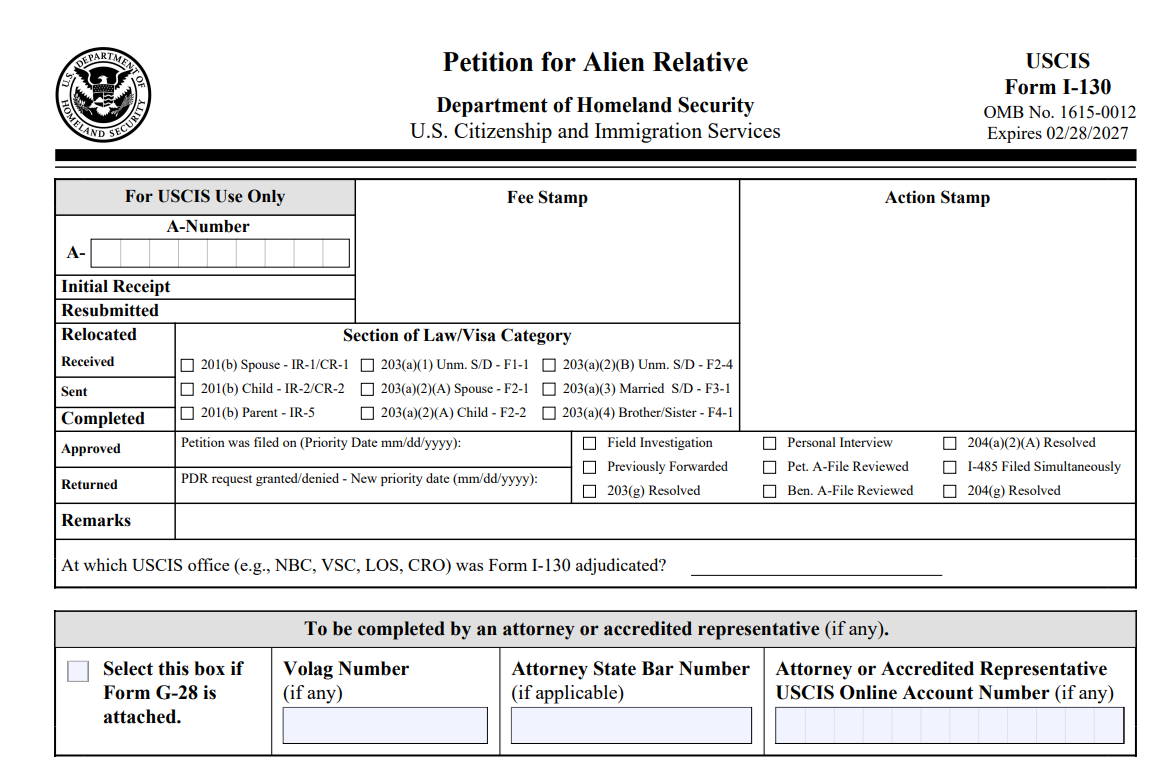
You should file an immigrant petition with the Form I-130 (Petition for Alien Relative) and an adjustment of status application afterwards. It may take longer than employment-based routes, but it's more ideal for those who have family members in the U.S.
Let our lawyers handle your case well!
Hire a St. Louis Immigration Attorney
After your immigrant petition is approved, file to adjust your status from an E-2 to a green card without stepping out of the U.S. However, eligibility for adjustment of status depends on maintaining lawful status and having a current priority date. Some may need to go through consular processing instead.
Follow these steps:
• Submit Form I-485 or the Application to Register Permanent Residence or Adjust Status.
• Wait for USCIS to approve the petition.
• Attend a biometrics appointment and interview.
Observe the proper dress code during the interview. Arrive at the venue on time or earlier to allow for security checks. Make sure you've prepared or mastered your answers before the immigration officer begins your interview.
These unique immigration law routes, although less common, can also apply, depending on the E-2 visa holder's background:
This category is for minors in the U.S. who are under court protection after being abused, neglected, or left behind by one or both parents. If the child of an E-2 visa holder meets the criteria, they can qualify for lawful permanent residence through this status.
In rare cases, E-2 visa holders or their family members can qualify for permanent residence under humanitarian programs if they've assisted the U.S. government, faced persecution, or qualify under legislative acts that give immigration benefits in exceptional situations.
Most E-2 visa holders follow these steps when applying for a green card:
• Determine eligibility based on the category you chose, such as family-based, employment-based, or NIW.
• File the right immigrant petition and wait for the priority date to become current in your category.
• File Form I-485 to change your status to a permanent resident.
• Attend interviews and submit more evidence if the USCIS requires.
• Receive your green card approval notice and read the welcome letter.
Changing from a nonimmigrant to an immigrant visa needs careful planning. Here's how:
• Take some precautions when traveling or filing for a green card. Doing so while in an E-2 visa may raise questions about your intent to stay in the U.S. in the meantime. You may have a hard time renewing or re-entering the U.S. when you apply for permanent residency while your E-2 visa is still valid.
• Apply for a green card after establishing your business operations and managing the enterprise.
• Keep records that show the legitimacy of your commercial enterprise and its job creation power.
• Consult your attorney before traveling or submitting adjustment of status forms.
The green card offers these benefits:
• Zero visa renewals or restrictions that non-immigrant visas bring.
• The ability to live and work anywhere in the U.S.
• Easier employer sponsorship for employees or family members.
• Eligibility for citizenship application after being a lawful permanent resident for many years.
If you don't meet the green card requirements yet, consider the following:
• Expand your commercial enterprise so you can qualify for the EB-5 immigrant investor program standards.
• Take a master's degree or other higher education programs to boost your EB-2 or EB-3 profile.
• Build a reputation of innovation, job creation, or community engagement to qualify for NIW.
Remember that eligibility criteria can differ depending on the path you choose.
View these official sources whenever you need information about visas, petitions, and other immigration concerns:
• USCIS: Visit this website for immigration services, forms, and additional information on green card requirements.
• U.S. Customs and Border Protection: This website provides access to information about port of entry rules and visa categories.
• Department of State: This website provides listings of treaty countries and updates on the visa bulletin, including priority date movements.
And here at Hacking Immigration Law, LLC, you can get all the information you need through our blog posts. Search for the term you want to read content about and explore articles related to it on our website.
Dealing with anything about immigration law can be complicated. A trusted lawyer can help you:
• Identify which green card petition suits your personal situation.
• Make sure you comply with your non-immigrant status while your immigrant petition is pending.
• Work your way around labor certification or self-petition documents.
• Prepare your case for review by USCIS.
You have higher chances of succeeding in your applications with the right legal guidance from a competent St. Louis immigration lawyer.
While the E-2 visa isn't a direct path to becoming a permanent resident, there are many ways to become one. Whether you're in an immigrant investor program or an employment-based route, you can become an American resident when you plan properly, invest strategically, and work with an experienced immigration attorney at Hacking Immigration Law, LLC.
Our expert lawyers know their way around immigration visas, so they can help you gain permanent residency from your E-2 visa. They're your strategists and advocates for your new beginning on American soil.
If you need help with your visas, schedule a call with us now!
Can I remain in the U.S. while applying for a green card?
Yes, you can! It's even better to stay in the U.S. when you apply for adjustment status while keeping your valid E-2 visa status.
Will the E-2 visa get me a green card?
Unfortunately, no. An E-2 visa isn't a gateway for permanent residency. You must qualify through an immigrant visa category before applying for a green card.
Can my family members apply with me?
Yes. Your spouse and unmarried kids under 21 can get a lawful permanent resident status as your dependents.
What happens to my visa if it expires?
If your visa suddenly expires while the green card petition isn't over, you should ask for help from an immigration attorney to avoid losing your status.