You can leave the country for a while after getting your green card. But first, learn these rules and conditions to protect your status.
Getting a green card is an exciting achievement. You've been granted permanent resident status in the United States—working and living freely. But just like other permanent residents, you might also ask yourself, "Can I travel immediately after getting green card?"
The shortest answer is yes. You can book that flight to Europe or Asia in a heartbeat. However, you need to understand important conditions and potential risks before you even think about packing your bags.
Let this article explain everything you need to know about traveling with a green card and how international travel affects your chances of becoming a U.S. citizen.
Key Takeaways:
• You must present proof of your strong ties to the U.S. to avoid being suspected of leaving your residence for good.
• A reentry permit helps you come back to the U.S. without any hassle, especially if you've been away for almost a year.
• Contact the U.S. consulate or embassy if you lose your green card outside the country.
Access legal help in one click.
Table of Contents
You become a lawful permanent resident (LPR) when you get your permanent residence. This lets you live permanently in the United States, accept lawful employment, travel outside the country, and return anytime with a valid green card.
However, permanent residents must prove their ties to the U.S. and prevent themselves from acting on things suggesting they've abandoned their residence. Travel is a right for every American citizen, but it also entails responsibilities to uphold that right.
Once you have your permanent resident card, you're eligible to travel internationally. To enter the U.S. again, you need to secure a valid passport from your country of citizenship and a green card. Immigration doesn't impose a waiting period.
Make sure your green card has officially been issued. Traveling with only an immigrant visa, especially if it has expired, can cause problems.
Spare yourself from issues at airports or land borders. Prepare these documents before heading out:
1. A valid and unexpired permanent resident card.
2. A passport from your country of origin.
3. Visa, if required by the country you're going to.
4. Proof of solid U.S. ties for extended overseas.
It can be difficult to reenter the U.S. if you lost your green card abroad, so always keep it with you.
How long they travel outside the U.S. is crucial for permanent residents. Short trips aren't questioned, but extended absences will.
Here's a short guideline you can refer to:
Trips under six months are generally not scrutinized, but U.S. Customs and Border Protection (CBP) always retains discretion to assess intent to abandon residency. Always bring your permanent resident card and passport for a smooth reentry.
Things can get a little complicated if you're absent for more than six months but less than a year. Border protection may request sufficient evidence of your U.S. ties.
Show them your tax filings, lease agreements, U.S. bank statements, or any other document that answers the border protection officers' questions.
If you stay abroad for a year or longer without a reentry permit, you're considered to have abandoned your residence. Failure to prove strong ties can lead to losing your green card.
A reentry permit is important if you plan to stay out of the U.S. for some time. It's valid for up to two years, and signals to the Department of Homeland Security (DHS) that you're not abandoning your U.S. residence.
This is how a reentry permit works in your favor:
1. It reduces the risk of losing your permanent resident status.
2. It's an official form of evidence of your bonds to the U.S.
3. While a reentry permit can be used in place of a passport in very limited cases, it is not a substitute for your home country’s passport for international travel.
All you need to know about immigration is here.
Even though you can still travel while holding a green card, it can be extremely risky when you're seen abandoning your U.S. residence. The DHS and Border Protection will evaluate the following:
• The length of your absence.
• Whether you've continued or terminated your U.S. employment.
• Whether your family and home are still in the U.S.
• Your filing of a U.S. tax return.
The signs of potential abandoned residence include living primarily abroad, foreign employment for extended periods, not maintaining a U.S. address, and failing to file taxes as a resident. You could be placed in removal proceedings and possibly lose your green card when the Border Protection officers suspect residence abandonment.
If you want to qualify for American citizenship, you must continuously reside in the U.S. as a green card holder.
• The standard rule is five years of continuous residence. Three if you're married to a U.S. citizen.
• An extended absence of six months or longer can disrupt the timeline of continuous stay.
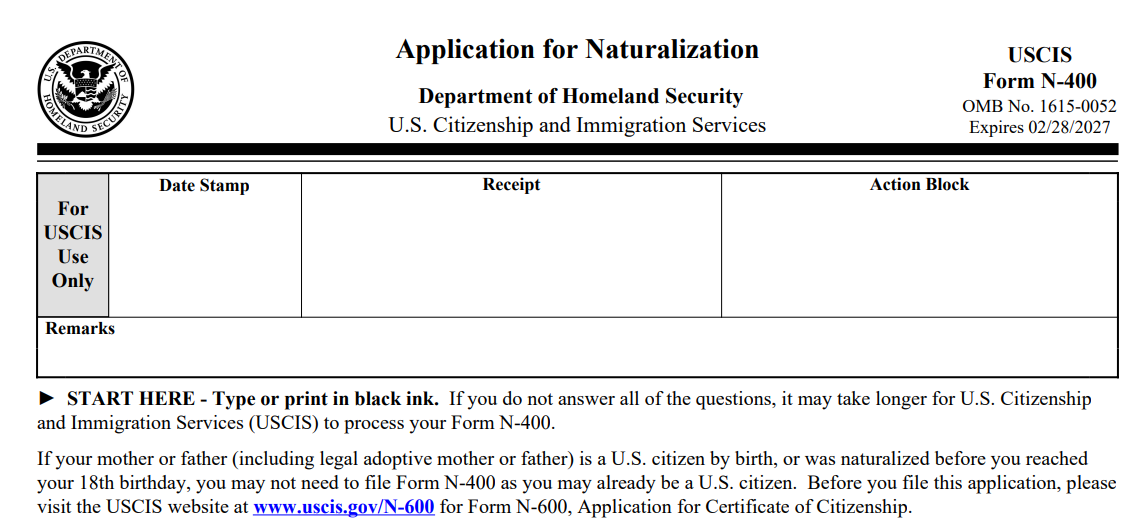
• The absence of one year or more can break the continuity of residence. If you don't want this to happen, file Form N-470 (Application to Preserve Residence for Naturalization Purposes).
Even if you return to the U.S. with a valid green card, your citizenship eligibility may reset if you've been gone for a long time.
The DHS handles U.S. immigration services, and Customs and Border Protection conducts immigration inspections. Its officers can decide who can enter at ports of entry.
The DHS can review your passport, evidence of ties to the U.S., and your permanent resident card. They can't guarantee entry if they think you've abandoned your status in any way.
Always keep your documents valid to avoid raising suspicions of DHS officers. When you return from international travel, bring proof of U.S. residence.
Avoid doing these things at all costs when traveling with your new green card:
• Leaving the U.S. for extended periods of time without a reentry permit.
• Assuming a valid status means a guaranteed entry every time.
• Failing to file U.S. tax returns during your absence abroad.
• Forgetting to update the immigration services when you change your address.
• Not bringing sufficient evidence of your ties to the U.S. when embarking on long trips.
Traveling abroad with a green card doesn't have to stress you out. Here are some tips:
• Keep your green card and passport valid.
• Avoid a long absence of over six months.
• You can use a reentry permit if you need to stay abroad for an extended period due to situations beyond your control.
• Keep U.S. ties, such as your residence, bank accounts, and employment.
If you're a permanent resident, you're still subject to the discretion of DHS. Only citizenship gives you the absolute right to reentry.
International travel can feel exciting and overwhelming, and it may cause you to forget and lose a few things. Out of all the things you could lose, your permanent resident card can be the most stressful of them all.
If you lose your card anywhere except the U.S., here's what you can do:
1. Call the nearest U.S. consulate or embassy.
2. File Form 1-131A to get a travel document.
3. Show evidence of your permanent resident status, such as a copy of the green card, visa records, and passport stamps.
4. Pay the department fee.
5. Use the temporary travel document to come back to the U.S.
After you finish all that, file Form I-190 to replace your lost green card.
You may have a lot of worries about your life in the U.S. when you travel abroad. An immigration lawyer can help you with the following:
• Explaining how international travel affects your status.
• Ensuring you don't risk being viewed as abandoning your residence during long absences from the U.S.
• Advising you on filing for a reentry permit if you'll be out of the country for up to two years.
• Gathering your employment records and tax filings.
• Helping you with the right form and consular procedures if you lose your green card abroad.
Teaming up with an immigration attorney makes the entire process smooth. It also prepares you for anything that may happen when you leave the U.S. for travel purposes.
You can travel outside the U.S. immediately after getting your green card, but you should be careful. Remember the rules on extended absences, preserving your citizenship, and maintaining a bond with the U.S.
Preparing the correct forms, carrying the appropriate documents, and returning to the U.S. constantly with a reentry permit gives you the confidence to travel while protecting the status you worked hard for.
Need help with international travel? Our lawyers at Hacking Immigration Law, LLC, are here to help! We provide expert legal guidance on maintaining your status and securing your green cards.
Call us now!