Probably not.
When USCIS transfers your case to another office, it usually does not mean there’s a problem. In most situations, it’s simply part of how U.S. Citizenship and Immigration Services manages its workload.
Here’s what you need to know.
What if my case transferred and new office has jurisdiction to handle?
Hi, I'm Jim Hacking, an Immigration Lawyer practicing law throughout the United States at our office here in St. Louis, Missouri.
We get this question a lot. Many people freak out when they get alerts about recent developments in their processing case at USCIS. They also spend a lot of energy and time trying to track down every single lead and every bit of data they can about where their case is pending.
I get that these are important cases. Immigration is an important issue for people. If you're trying to bring a family member here or obtain an immigration benefit like a green card for yourself, you want to get that information. But you can't get so worked up that you go high and low, depending on the online alerts.
Don't let uncertainty about your USCIS case transfer hold you back.
Table of Contents
One of the biggest things that we see people freaking out about with online alerts is when they find out that their case has been transferred to another immigration office without a transfer notice.
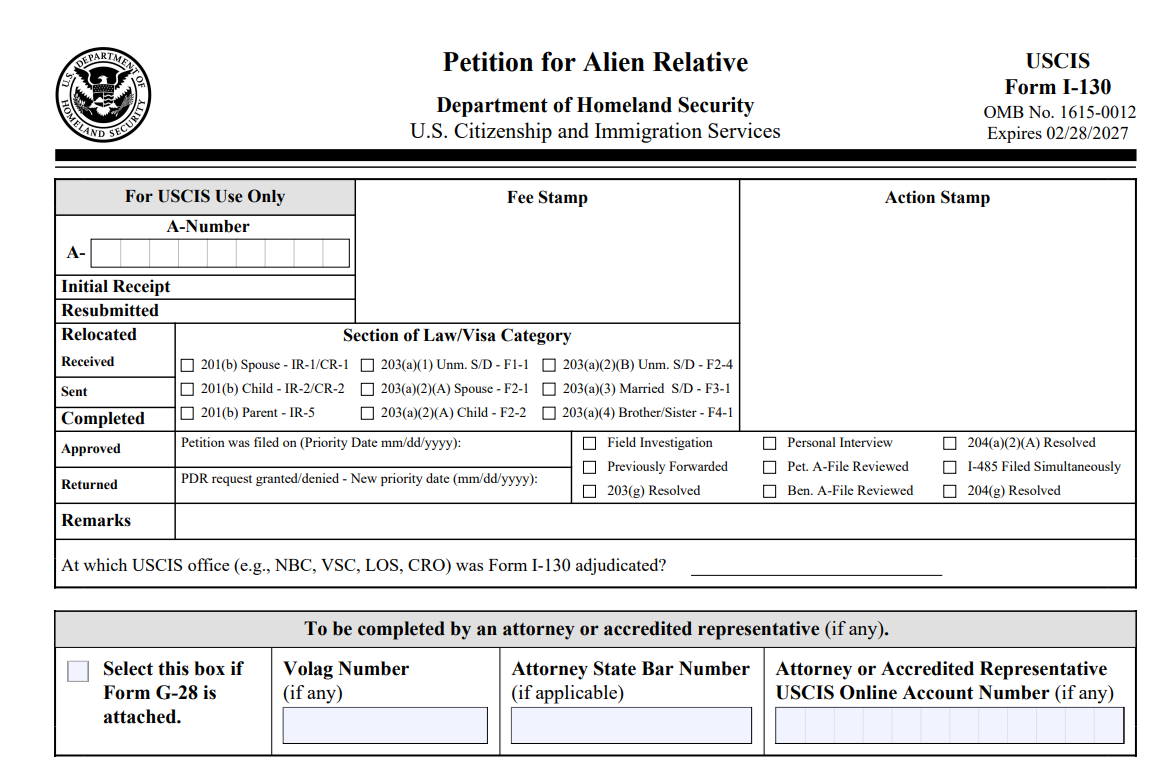
Usually, this is transferring from one service center to another. Now, when your case is transferred from a service center to the field office, especially if it’s one that involves an interview, that’s something you’re going to be expecting because it means your case is moving along just fine.
Most transfers happen for administrative reasons, including:
• Workload balancing – USCIS shifts cases between service centers to manage backlogs.
• Jurisdiction changes – If you move, your local field office may now have authority over your case.
• Interview requirements – Some cases must be handled by a field office because an in-person interview is required.
• Specialized processing – Certain offices handle specific case types.
A transfer does not mean your case was denied or that something is wrong.
Here’s another curveball we see:
“My case got transferred, and I didn’t even get an approval. What’s going on?”
Don’t panic. A USCIS transfer case to another office doesn't necessarily mean anything bad.
All it means is that your case is being processed by a different office. That's usually done not because of anything in particular about your case but because the processing times at various offices fluctuate. For employment-based applicants, delays due to PERM processing time can further compound these wait times.
Some get busier, and some get slower. Your case is then just expected to move to that other office, so they can continue processing your case. It's generally a good thing.
There’s no hidden message. No red flags. Just a case being routed through the system like packages at a post office.
Here’s the scoop for 2026: USCIS office transfers are more dynamic than ever, and it’s all part of their mission to promote timely processing across the board.
Some fresh updates:
Smarter Transfers: The USCIS system now uses more advanced tools to decide when and where to move cases. Expect more transfers to offices with faster turnaround.
Detailed Tracking: Some applicants are now seeing more granular case updates in their online accounts—think transfer dates, new locations, and next steps.
Still No Notice Sometimes: Even in 2025, not all transfers come with a paper notice. So don’t be surprised if you see “Case Transferred” in your online status without a follow-up letter.
Bottom line: A USCIS transfer case to another office (like from the Potomac Service Center to the Texas Service Center, or from the Nebraska Service Center to a field office) is usually just part of how immigration services work. It’s not a sign of trouble.
Don't let case transfers slow you down—get professional immigration assistance.
If you get that transfer alert, here’s your action list:
1. Stay Calm – It’s normal.
2. Watch for Notices – Keep an eye on your mail and email.
3. Double Check Your Address – Make sure USCIS has the correct info. You don’t want your documents—or any future receipt notices—going to the wrong place.
4. Focus on Your Case Strength – Prepare for interviews and make sure your documents are solid.
5. Contact an Immigration Lawyer if Unsure – A quick chat with Hacking Immigration Law, LLC can give you peace of mind.
Well… not really.
Here’s the bottom line:
• Case transfers are normal.
• They’re part of how USCIS manages its heavy workload.
• Your focus should be on preparing a strong case, not decoding cryptic online alerts.
And honestly? The online system doesn’t always get it right. Glitches happen. You might get a case status alert that doesn’t even apply to you. Don't obsess over it.
Pro tip: Instead of chasing updates, use your energy to prepare for your interview, gather more supporting documents, and stay organized.
Yes, immigration is a big deal. Yes, it’s okay to feel anxious. But no, you don’t need to obsess over every USCIS service center shift. You really just need to let it go, give it sufficient time, and not worry about it.
If you find out that a new office has jurisdiction over your case, have a case pending, and have questions related to citizenship and immigration services, give us a call at 314-961-8200. You can email us at [email protected].
Join us in our Facebook group Immigrant Home! And if you like the video, please share it on your socials. Subscribe to our YouTube channel to get updates whenever we make videos just like this one. Thanks a lot!