Learn about all the potential changes in immigration for Trump's presidency comeback in this in-depth guide.
Donald Trump assumed the presidency once again, and immigration enforcement was the central pillar of his first term. The first Trump administration implemented the construction of the U.S.-Mexico border wall and restrictive asylum policies.
Now that he's back as president, there are speculations about how his second term could influence the future of immigration. Read this guide to learn more about the unexpected changes that may happen and what you and other legal immigrants can do to protect your immigration status.
Key Takeaways:
• Stricter Immigration Policies: A second Trump administration could focus on expanding border security, including completing the U.S.-Mexico border wall and increasing surveillance technologies. It may also lead to harsher interior enforcement, such as mass deportations and workplace raids targeting undocumented workers.
• Expansion of Travel Bans and Immigration Restrictions: The administration may reinstate and even expand travel bans to more countries, as well as impose stricter visa requirements, particularly affecting employment-based immigration and family reunifications.
• Legal and Humanitarian Concerns: Increased enforcement could strain the U.S.'s relationships with other countries, particularly those in Central America. Humanitarian issues, including the potential return of the "zero tolerance" policy and overcrowded detention centers, could face significant scrutiny both domestically and internationally.
Need help with immigration, see how we can help!
Table of Contents
The first trump Administration emphasized border security. Trump pledged to construct a wall along the U.S.-Mexico border that spans 450 miles to minimize illegal immigration, drug trafficking, and human smuggling.
However, the wall's construction receives different funding levels and progress depending on who's in power. Some argue that the physical barriers improve security and deter unlawful crossings. Critics have also argued that the wall is expensive and ineffective compared to technological surveillance.
In addition to the physical barriers, the Department of Homeland Security (DHS) increased surveillance, staffing, and border protection control, including deploying several autonomous surveillance towers and non-intrusive inspection systems at entry points for contraband detection.
ICE has increased its operations in deporting undocumented immigrants all over the U.S. Its role now includes:
• Border security
• Targeting people with expired visas
• Dealing with immigrants with criminal records and long-standing ties with American communities.
ICE has extensive databases and surveillance, and they work with local law enforcement to track and detain non-citizens who have violated immigration laws.
ICE's key strategy is workplace enforcement, which involves raids at factories, farms, and service-based businesses suspected of hiring undocumented workers. These unannounced raids can result in fines for employers, mass detentions, and deportations.
Others believe the raids don't work, but employers are told to prepare for them anytime.
In 2018, President Trump implemented a "zero tolerance" immigration policy. Thousands of parents and migrant children were separated at the U.S.-Mexico border. This policy aimed to curb the number of people crossing the country illegally.
Parents were detained while their children were brought to shelters. The practice was halted in June 2018 after widespread condemnation, where images of children in detention centers sparked protests.
Despite its early termination, an estimated 1,000 children are still separated from their families as of early 2025. Inadequate records and logistical challenges may have hindered efforts to reunite the families.
A federal judge approved a settlement forbidding the reinstatement of family separations until 2031 in December 2023. This lets deported parents go back to the U.S. to reunite with their kids and seek asylum.
However, with Trump's second term, the potential return of zero tolerance policy has raised concerns. Advocates emphasize how important it is to enforce existing legal protections to prevent these practices from happening again.
Due to national security concerns, the Trump 2017 travel bans prohibited entry into the U.S. from many Muslim-majority nations. Opponents argued the bans were unconstitutional and discriminatory. These restrictions affected families, businesses, and students from Muslim countries and limited immigration opportunities for them.
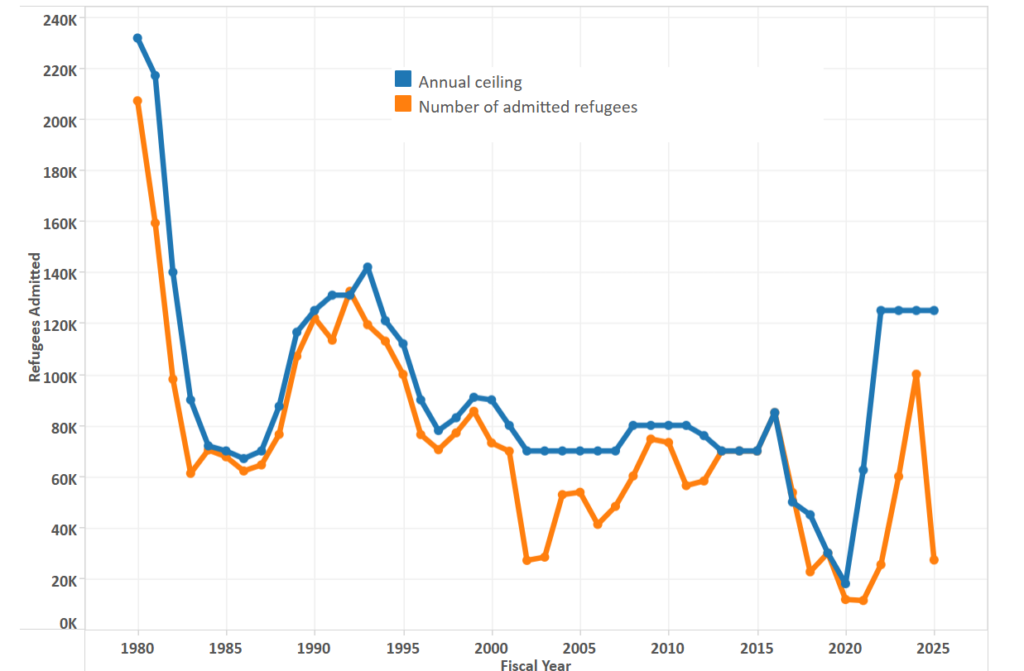
Due to policy changes, U.S. refugee admissions have greatly declined over the years. The government implemented tighter background checks and expanded the "Remain in Mexico" policy, where asylum seekers wait outside the U.S. for their papers to be processed while facing dangerous conditions.
Need help with immigration matters? Get them here!
President-elect Trump could reinstate and expand these immigration policies and introduce even stricter measures in his second term, including:
In his second term, Trump would most likely zero in on border security measures. The first Trump Administration was about aggressive policies to minimize illegal immigration. The second one may see more expanded measures, such as:
• Trump has repeatedly underscored stronger border protection and advocates for more barriers in the southern border.
• Eminent domain and federal law enforcement could be used to expedite wall construction.
• Federal agencies may get more authority to allocate funds for border security infrastructure.
• Trump reportedly wants to reinstate the Migrant Protection Protocols, where asylum seekers wait in Mexico for their U.S. court hearings, affecting foreign nationals seeking asylum.
• A federal court could question the program's adherence to international asylum obligations once it spots a legal challenge.
• Artificial intelligence-driven tracking systems, drones, and facial recognition may be used to monitor border crossings.
• Biometrics screening measures may also be used to identify illegal immigrants right away.
A second Trump administration is expected to boost interior enforcement through mass deportations and heavier penalties for undocumented immigrants.
Industries that rely on foreign workers, such as construction and agriculture, may see large-scale raids and may face severe penalties, especially if they've hired illegal immigrants without employment authorization.
The federal government could also influence funding restrictions against sanctuary cities that don't cooperate with federal immigration enforcement. There can also be potential legal challenges in the Administrative Procedure Act if federal agencies don't give funds to states and cities against mass deportations.
The criteria for deportation may also be expanded and target non-violent yet undocumented immigrants. Deportation force may be used to remove people without criminal records.
New travel bans and restrictions on legal immigration pathways could be part of Trump's immigration policy. This may include:
• Expansion of the first Trump term's travel bans to more countries due to national security concerns.
• Legal challenges citing racial profiling concerns and national origin discrimination and conflicts with the Nationality Act
• Stricter restrictions on employment-based visas for all foreign workers.
• More rigorous requirements for family-based immigration can limit the number of lawful permanent residents admitted yearly.
• Increased scrutiny of Temporary Protected Status (TPS) programs, deporting current TPS holders.
Detention centers can become overcrowded with stricter immigration policies. Many of these people are at risk of diseases due to unsanitary conditions and limited medical care. The migrant children's mental health can be affected following their detention and separation from their parents. It would also strain healthcare systems as they cater to more people with limited medical supplies.
With more stringent policies, labor shortages would worsen in industries that depend too much on immigrant labor. Decreased remittances could also affect the economies of the countries from which these immigrants are from.
States and civil rights organizations may challenge restrictive immigration enforcement in federal courts. Potentially high cases can also arise related to asylum rulings, detention practices, and the Deferred Action for Childhood Arrivals (DACA) program.
However, Supreme Court rulings can redefine these federal obligations about immigration enforcement. Some immigration policies may also be intensely debated, such as birthright citizenship and DACA's future.
Increased deportations can strain the U.S.'s relationship with Central American countries and even those affected by travel bans. The U.S. immigration enforcement policies can also face international scrutiny while the refugee crises at the border grow and human rights organizations condemn family separations and mass deportations.
Security concerns and humanitarian perspectives will most likely clash. Some will call for comprehensive immigration reform, while others may support stricter immigration policies.
The media will likely portray these immigration policies as harsh or highlight economic benefits and national security. Social media can also be a tool to shape people's perspectives on these policies.
Jumpstart your immigration journey today!
The Trump administration has made many significant changes to the U.S. immigration policies, including stricter enforcement and more deportations. These can affect visa holders, asylum seekers, undocumented immigrants, and green card applicants. It could mean you could get detained or deported once you don't become eligible for these changes, separating you from your family for good.
If you're affected by these changes, make sure you do the following to protect your immigration status:
Immigration policies can change anytime as lawmakers come up with legal rulings, executive orders, and new enforcement directives. Stay updated by:
• Following reputable immigration news sources
• Monitoring policy changes through immigrant advocacy organizations.
• Signing up for newsletters and alerts from immigration organizations that give timely and relevant updates.
Legal representation is important when dealing with complex immigration policies. You can book a consultation with a seasoned immigration attorney to know your legal options based on your case. Your lawyer can help you prepare the essential legal documents, especially if you want to adjust your status or seek asylum.
It's important to have your documents with you no matter what happens. Keep original copies of your visa, passport, green card, and other documents in a secure place. Scan and save digital copies of each document in a secure cloud storage application. Renew your documents if they're about to expire to avoid compromising your status.
Understanding your rights protects you from being wrongfully deported or detained. Keep these in mind:
• Don't answer questions from immigration officers without your lawyer.
• Don't open the door for ICE agents unless they have a warrant with a judge's signature.
• Ask for a lawyer if you're detained. Don't sign any documents without a lawyer's presence.
If you or a family member is at risk of getting deported, an emergency plan can ensure the safety and welfare of the ones you'll leave behind.
If you're detained, choose a reliable family member or friend to take care of your legal and financial obligations. Prepare a power of attorney and assign a person who can take care of your bank accounts and housing if you're unable to do so. Look for a legal guardian for your children as well so they can still live their normal lives.
Heightened enforcement may come with fraudulent schemes that target you and other immigrants. To keep yourself and others safe from these scams, avoid the following:
• Notarios and Unlicensed Advisors: Work with licensed immigration attorneys or accredited representatives only.
• Promises of Visa and Green Card Approvals: Nobody can guarantee this, so avoid people making such claims.
• Cash Payment Requests: Process your visa processing and other immigration fees through USCIS only.
Maintain your legal status to avoid removal proceedings by:
• Following your visa terms, including residency requirements and employment restrictions.
• Submitting renewal applications for your work permits, visas, and green cards before they expire.
• Update your address with USCIS within 10 days after moving out of your old house to a new one.
Think about applying for U.S. citizenship if you're eligible for the following:
• Naturalization: You should be a permanent resident for at least five years or three if you're married to a U.S. citizen.
• DACA Renewal: If you're a DACA recipient, you should be updated with policy changes and renewal deadlines.
• Asylum or Humanitarian Relief: Ask your lawyer how you can get TPS or seek asylum if you fear persecution in your home country.
Any policy change can affect your employment opportunities if you have an H-1B, L-1, or O-1 visa. It's best to stay updated with the renewal process of your work visas, maintain a good relationship with an employer who's willing to sponsor your visa renewal, and explore other employment-based visa options to keep on working in the U.S.
Join organizations that fight for fair immigration laws and share accurate information about immigration policies to help other immigrants prepare for any changes. It can be your way of giving back to the immigrant community.
A second Trump administration could mean huge changes to U.S. immigration enforcement—intensified border security, restricted legal immigration, and ramped up interior enforcement. These policies would go beyond immigrants and can affect the economy, legal system, and international relations.
Humanitarian conditions and immigration laws should be balanced. If you're an immigrant, you should stay informed, updated, and engaged in these policy discussions and prepare in advance to secure your future.
Book an appointment with a St. Louis immigration lawyer today!