Many people wonder: Is it worth using an immigration lawyer when dealing with the U.S. immigration system? The answer is a clear yes.
Thinking about applying for a visa, green card, asylum, or naturalization? If so, you’re probably wondering: Do I really need to hire an immigration lawyer? Or can I just go it alone, save the fee, and hope for the best?
The short answer is yes, in many cases, it is worth having a lawyer. The benefits go far beyond just filling out forms. A lawyer offers valuable assistance, expertise, and peace of mind. For those facing challenging immigration issues, obtaining skilled legal assistance can transform a complex and stressful journey into a clear and successful path.
Key Takeaways:
• Legal representation significantly improves outcomes, particularly in complex or discretionary cases, such as asylum.
• Lawyers can spot pitfalls, traps, and deadlines you might miss.
• In cases of delay or denial, immigration lawyers can file lawsuits or compel government agencies to take action.
• Cost is real, but a denial or misstep may cost you far more in terms of time, stress, or lost opportunities.
• Choosing to work with an experienced immigration law firm, like Hacking Immigration Law, LLC, gives you a clear advantage.
Hire a trusted immigration attorney now and take the stress out of your case.
Table of Contents
Let’s start with this: you can self-represent in many immigration matters. For basic applications, such as renewing a visa or filing a simple petition, some people try to do it themselves. But that doesn’t mean it’s always wise.
Why DIY often fails or struggles:
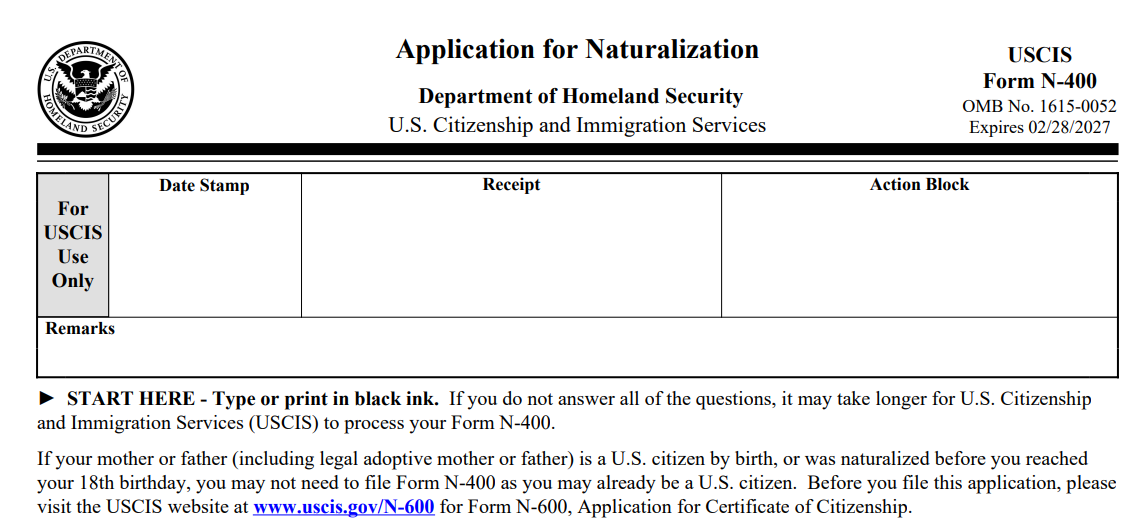
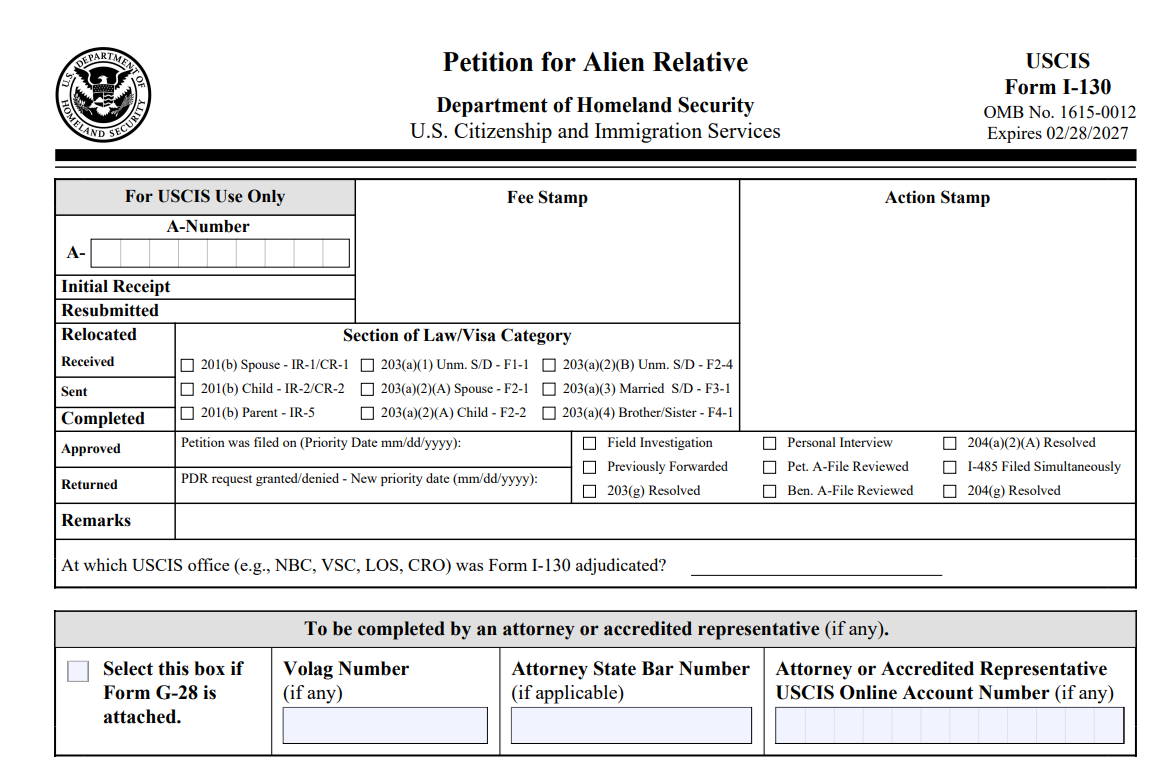
• Form complexity & nuances. Immigration forms (adjustment of status, I-485, I-130) have tricky parts, requiring precise language. One misplaced word or omission can result in a Request for Evidence (RFE) or outright denial.
• Ever-changing rules and policies. Immigration law is not static. Policy interpretations shift, guidance changes, or priorities are reset. An attorney stays current.
• No “right to free counsel.” Unlike in criminal cases, in U.S. immigration proceedings, you are not guaranteed a public defender. You must hire or find pro bono help.
• High stakes. A denial might delay your status, cost nonrefundable fees, or even trigger removal proceedings.
• Representation rates are dropping. As of December 2023, only about 30% of immigrants with pending cases had representation—down from 65% a few years ago.
So yes, while you can try to do it yourself, many people find that the risks and potential costs outweigh the savings. In many cases, hiring an immigration lawyer is more than just a comfort.
If you’re on the fence, here are the primary benefits to hiring a qualified immigration attorney (or firm):
• A lawyer understands legal standards, statutes, precedent decisions, policy memos, and changing regulations.
• They can see weaknesses, holes, or contradictory evidence and mitigate them before submission.
• Lawyers can handle legal arguments, frame their immigration case, and anticipate potential appeals or challenges.
• They know forms, filing fees, jurisdiction, scheduling, evidence rules, translation issues, deadlines, biometrics, and interviews. These are details many non-lawyers inadvertently bungle.
• A lawyer tracks changes in policy, notices when rule updates might help or hurt, and adjusts accordingly.
• They can manage communication with immigration authorities, follow up, request expedite, and sometimes escalate.
• One missing signature, a wrongly formatted document, or an incomplete evidence package can kill your application or cause months of delay.
• Lawyers mitigate that by reviewing, double-checking, and often having internal checklists and standards.
• An initial fee often pales in comparison to the cost of a denied application, lost time, or even irreparable legal consequences.
• If your application is denied or rejected, a lawyer can help with appeals, motions to reopen or reconsider, or filing suits.
• In delay cases, they can bring lawsuits to compel action (e.g., mandamus). Hacking Immigration Law, LLC specifically mentions helping clients sue USCIS to force action in delay cases.
• They often have access to experienced resources, networks, and litigation tools.
• Especially in immigration matters, uncertainty and anxiety run high. Having a lawyer means someone is watching your back.
• You can ask questions, get explanations, understand risks—not feeling like you're fumbling blind.
• If your case triggers complications, you have someone to strategize with rather than scrambling alone.
Statistics show that immigrants represented in removal (deportation) proceedings are far more likely to obtain relief. One study found that immigrants with counsel are five times more likely to win their case; detained immigrants with counsel were over 10.5 times more likely to succeed.
You might wonder: if lawyers are expensive, is the immigration benefit worth the cost? In most cases, the answer is yes.
There are certain scenarios where having a lawyer is necessary. Here are some of those.
If your case involves asylum claims, removal (deportation) defense, or trying to stop deportation, you’re in a high-stakes, adversarial environment. The evidence you present, the legal arguments you make, and how you navigate hearings all matter enormously.
Denial rates among unrepresented asylum claims have been extremely high (some studies show 80–90%) compared to represented cases. Given this case, a lawyer doesn’t just help. They can determine whether something fails or succeeds.
Sometimes your application is fine, but the government is dragging its feet or issues a denial or Request for Evidence (RFE). In these scenarios, an immigration lawyer can:
• File mandamus lawsuits or compel agencies (like USCIS) to act.
• Prepare strong appeals or responses to RFEs.
• Interpret policy changes, immigration court decisions, or agency memos that can help your argument.
These petition categories often hinge on nuanced evidence, legal argument, and strategic presentation. USCIS is scrutinizing EB-1 and EB-2 NIW applications closely:
• In FY 2024, the approval rate for EB-1A was 60.65%, with a denial rate of 23.32%. For EB-2 NIW, the approval rate dropped to 43.31%, with 38.98% pending.
• Meanwhile, among employment-based green card filings, the approval rate is still relatively strong: in FY 2024, 119,028 approvals out of 129,814 filings (91%) in the employment‐based I-485 context.
When you balance cost vs. upside:
• The attorney may cost you several hundred to a few thousand dollars (depending on complexity), but that’s often small compared to the cost of a denial, appeals, lost work, or having to refile years later.
• In contested matters or where removal is a risk, the difference between self-representation and counsel can be life-altering.
So yes — for many cases, the investment in a qualified immigration lawyer pays for itself in reduced risk, better outcomes, and peace of mind.
Secure your immigration benefit with the right legal services. Hire an immigration attorney today.
Let’s break down side-by-side:
| Feature | DIY / Self-Help | Immigration Lawyer / Firm |
| Cost up front | Only filing fees, maybe document translation costs | Attorney fee + filing fees |
| Risk of error | High | Low (errors caught) |
| Knowledge of law & policy | Limited to your research | Detailed, up-to-date expertise |
| Handling RFEs, appeals | You must do everything yourself (often without experience) | Lawyer intervenes, responds strategically |
| Time & stress | High | Much lower |
| Outcome odds in court | Low | Significantly higher (if represented) |
| Long-term planning | Harder | Attorney helps with future eligibility, pitfalls |
| Communication with agencies | You must manage all correspondence | Lawyer liaises, monitors deadlines |
In short, while DIY may work in very simple, low-stakes cases, the lawyer advantage becomes overwhelming in medium or high-stakes ones.
• Hacking Immigration Law, LLC is an immigration law firm with offices in San Diego, St. Louis, Chicago, and Washington, D.C.
• Our firm exclusively handles immigration matters, which means our focus, resources, and experience are all dedicated to that domain—not spread thin across unrelated legal areas.
• Our scope of services includes:
• Green cards
• Citizenship
• Family-based visas
• Asylum
• Employment visas
• Lawsuits for immigration delays
• We also have a full team of attorneys and supporting staff, so clients don’t depend on a single person.
• Depth over breadth. Because we focus only on immigration, we’re likely to be more current and practiced in the nuances than a general practitioner.
• Experience in litigation & delays. We handle “lawsuits for immigration delays” (writs of mandamus) — that’s advanced work, not just filling forms.
• Track record & visibility. We have reviews online, a presence on YouTube, and a portfolio of public work.
• Geographic reach + virtual capacity. Although based in certain U.S. cities, we serve clients nationwide and often handle remote cases.z
• Client support, communication & education. Our firm is filled with educational content, and we consistently emphasize our accessibility to clients.
If you were to engage us, you might get legal services such as:
• A tailored roadmap of which immigration strategy fits you.
• Help with collecting, translating, and organizing your documents.
• Responses to RFEs or even litigation if your case gets stuck.
• Clear communication and updates so you’re never lost in the immigration process.
Hacking Immigration Law, LLC is a model of how a specialized immigration practice can deliver many of the advantages we’ve discussed above.
The question isn’t really “Does everyone need an immigration lawyer?” but more “Do you stand to gain more than you pay?” For many applicants—especially those facing discretionary decisions, delays, appeals, or complications—the answer is yes.
In many cases, the risk of doing it wrong is simply too great: lost time, denial, being locked out of benefits, or even missing rights you didn’t know you had.
If you decide to proceed with counsel, an established firm like Hacking Immigration Law, LLC demonstrates how a practice can combine a broad immigration portfolio, experience in litigating delays, and client education resources. It’s best to value working with someone who is thoroughly familiar with immigration laws, rather than relying on generic legal assistance.
From deportation defense to green cards, our team is ready to help. Get immigration help now.