The Trump immigrant travel ban denied entry from many countries but faced criticism for its various, potentially life-long impacts on people and families who want to secure their future in the U.S.
In a 2019 article published by The New York Times, at least a dozen Iranian students were barred from entering the U.S. days before starting their graduate studies. They had visas before their flight was blocked.
This story, among many others, is just one of the many effects of Executive Order 13769, which the Trump administration issued in January 2017. This order is more commonly known as the "Muslim and Refugee Ban" since it predominantly focuses on Muslim-majority countries. The policy underwent revisions following its reverberating effects, public backlash, and legal challenges.
The travel ban disrupted many lives of immigrants, separated families, and sparked widespread resistance not just in the U.S. but worldwide. Read more to learn about the executive order and what you can do in case the travel ban makes a grand comeback.
Key Takeaways:
• Trump's travel ban has affected many immigrants. Some of them lost jobs and educational opportunities with these stringent policies.
• The executive order resulted in protests from the people and advocacy groups. Muslim people from seven countries were banned from entering the U.S.
• The ban affected the U.S. in many ways. Businesses had trouble hiring employees, and families were separated, among other things.
Let our immigration lawyers help you out!
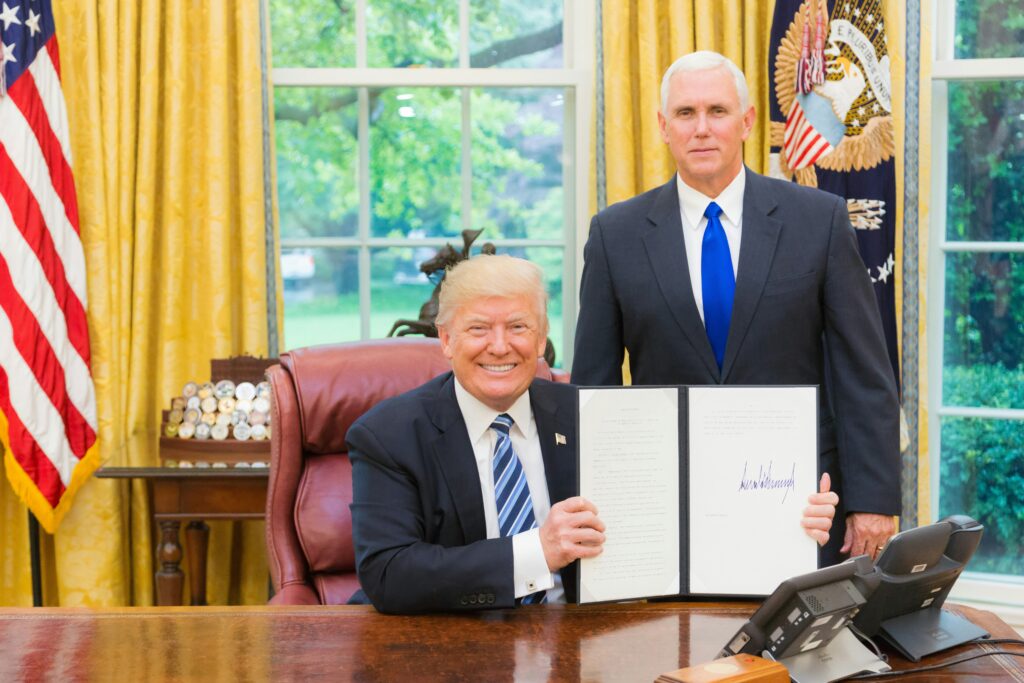
On January 27, 2017, Trump issued a travel ban to improve national security by barring certain countries with alleged ties to terrorism from entering the U.S. While the policy has been revised multiple times, it still faced legal and political scrutiny.
Each version of the travel ban addressed different nations. The first one applied to seven countries: Iraq, Iran, Sudan, Libya, Somalia, Yemen, and Syria. In the later versions, Iraq was removed. However, North Korea, Chad, and certain Venezuelan officials were added.
Exemptions and waivers were allowed under specific conditions, such as those with valid visas, established ties to the U.S., permanent residents, and some dual nationals. While refugees from banned countries could apply, the Immigration and Customs Enforcement and other agencies had a strict vetting process.
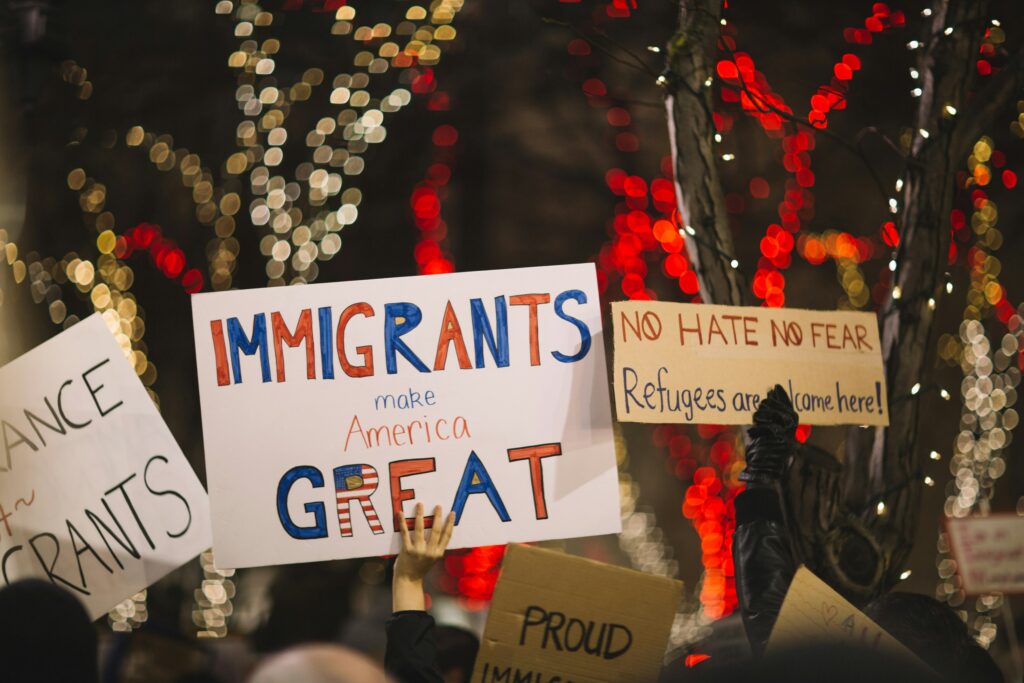
• Initial Rollout and Backlash: The first executive order was chaotic. Immigration agents scrambled to enforce the ban, and protestors gathered at major airports.
• Legal Challenges: Multiple federal judges blocked the first version of the travel ban. In June 2018, the Supreme Court had a revised version, Trump v. Hawaii, stating the ban is within the president's authority under federal law.
• Expansions and Revisions: Vetting changes at the southern border and further scrutiny of those who seek asylum expanded the travel restrictions.
• Homeland Security Concerns: The Trump administration justified the ban, citing intelligence reports linking people from targeted countries to previous or potential threats. Trump officials also said that the nations banned from traveling to the U.S. don't have a proper security screening process.
• Discriminatory: Critics like the Migration Policy Institute claimed the ban discriminated against Muslim-majority countries without concrete evidence.
• Violation of Federal Law: Advocacy groups said the policy breached the protection of religious freedoms and impacted families and undocumented migrants.
The travel ban that President Donald Trump issued has affected immigrants in these ways:
• Spouses, parents, and children were separated from each other across borders. They couldn't reunite due to visa denials.
• Immigration services had a hard time dealing with case backlogs, worsening the situation of asylum seekers.
• Hearings in immigration court got delayed as more affected people sought legal status.
• Due to the ban, skilled workers and entrepreneurs couldn't contribute to the U.S. economy.
• Businesses that relied on immigrant labor had difficulties hiring people amid stricter immigration enforcement.
• Students from restricted countries lost educational opportunities and scholarships.
• Many undocumented immigrants and asylum seekers are anxious and afraid of being deported.
• People from the banned nations faced stigma as they faced increased discrimination and xenophobia.
• Affected communities were alienated, leading to long-term distrust in the local police and federal agencies.
• Mass deportations and restrictive immigration policies have marginalized immigrant communities.
• The American Civil Liberties Union, or ACLU, has documented cases of profiling by immigration and customs enforcement officials as hate crimes and anti-Muslim sentiment increased.
• State and local police authorities use the Alien Enemies Act to justify scrutiny of targeted groups.
Get all the help you need for immigration matters here!
This is how people and organizations reacted to Trump's travel ban:
• ACLU and other advocacy groups filed lawsuits to overturn the ban in favor of the public.
• Federal judges issued rulings against some provisions. However, the Supreme Court chose President Donald Trump.
• Protestors stormed airports and public spaces to oppose the ban.
• Those affected by customs enforcement policies got legal support from advocacy groups.
• Chicago Mayor Brandon Johnson strongly opposed the travel ban.
• The U.S. and affected nations had diplomatic tensions during the travel ban. International leaders also condemned the policy.
• The travel ban set an example and raised concerns about future immigration restrictions.
• The Biden Administration reversed the policy in 2021, but it's still a long way to go.
• The travel ban may have damaged America's reputation as a welcoming country and nation of immigrants.
• National security experts criticized the U.S. government for the ban.
• Advocacy networks increased their activism in support of undocumented immigrants.
• Immigrant communities still live in uncertainty regardless of legal status, even after the ban has been repealed.
Now that Donald Trump is back for a second presidential term, the possibility of reinstating travel bans is now more lingering than ever. Given how this potential policy affected millions nearly a decade ago, you need to take these proactive measures to protect yourself and your family and stay in the U.S. until your twilight years:
Make sure your U.S. visa is valid throughout your intended stay. If it's about to expire, renew it immediately.
If you're currently outside the U.S. or planning to travel to different countries, think about the risk of potential reentry restrictions before packing your bags and going your way. Avoid unnecessary travel if you're in the U.S., as it's still uncertain when the policy may take effect again.
Before any new policy can take effect, you should head back to the U.S., wherever you are. Bring all important documents, such as a valid passport, visa, employment verification letters, evidence of ties to your home country, and forms related to your intended stay.
Check updates from the U.S. Citizenship and Immigration Services for new information about travel bans and to prepare yourself and your family in case the travel ban comes back.
Consider adjusting your immigration status to a permanent resident to worry less about future travel restrictions. You can also seek dual citizenship from another country for flexible travel options.
Renew all your immigration documents and keep copies of them in case local authorities might look for them.
Many universities provide support for international students, including advisories, especially with the potential return of the travel ban. If you're a student, keep communication lines open with your respective institutions to stay informed.
Legal professionals can give you personalized advice based on your situation and help you with the legal documentation and immigration system. Work with an experienced immigration lawyer to get you through the difficult times in case the travel ban comes back. They know how immigration law and the federal government work and the consequences of illegal immigration.
President Donald Trump's travel ban during his first term disrupted lives and sparked fear. Although Former President Joe Biden reversed the policy, its effects on immigrants and the immigration system are very much present.
It's important to strike a good balance between security concerns and human rights to make sure immigration enforcement doesn't unfairly target specific groups of people. As an immigrant, you should still be informed about the latest happenings, support your fellow immigrants, and fight for policies that uphold justice for everyone.
Book a consultation with any of our experienced St. Louis immigration lawyers today for your immigration concerns!