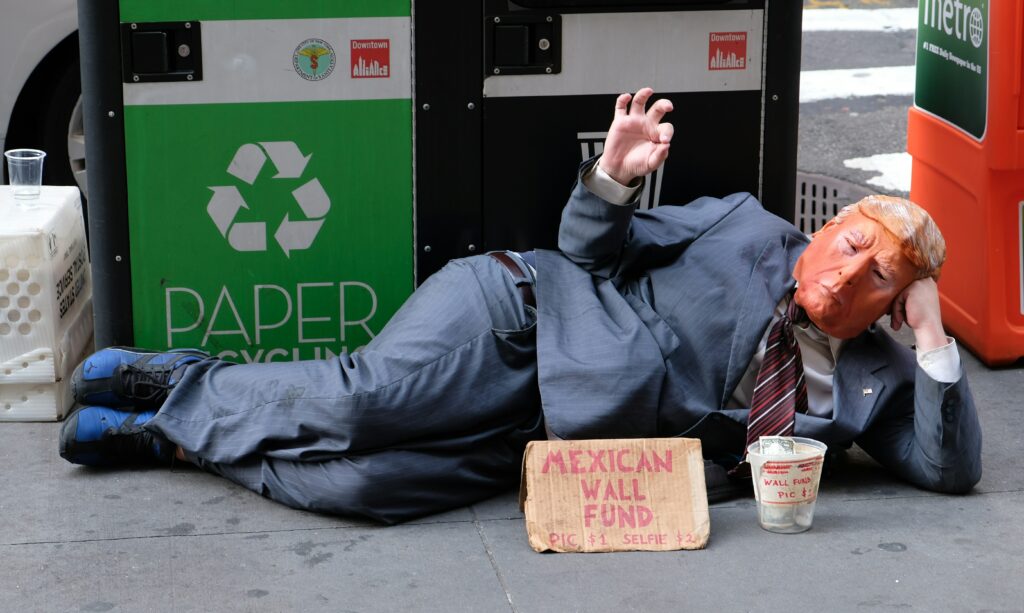
Get deeper insights and facts about the mass deportations of the Trump administration.
The Trump administration had an aggressive approach to immigration enforcement, zeroing in on removing undocumented immigrants and tightening border security. President Donald Trump restricted illegal immigration on the grounds of public safety disruptions and national security threats. His policies led to a high number of deportations, with customs enforcement officers and the Immigration and Customs Enforcement (ICE) playing a huge role.
Mass deportations are large-scale removal operations of illegal immigrants with or without criminal convictions. The Department of Homeland Security, under Trump officials, widened the criteria for deportation, affecting immigrant communities vulnerable to these actions. This policy sparked widespread fear and legal battles among legal aid groups, immigration authorities, and the American Civil Liberties Union.
This article dives deeper into the mass deportation plans during the first Trump administration and how they affected public perception and immigration policy.
Key Takeaways:
• Trump's mass deportations had a massive effect on immigrant communities, such as labor shortages, parent-child separations, and constant distress.
• Sanctuary cities like those located in California placed protective measures for undocumented immigrants from being detained in the heat of mass deportations.
• The many deportations in Trump's term flooded immigration courts with various cases.
Here’s all the legal help and information you need.
Table of Contents
During his first term, President Trump pursued restrictive immigration measures to curb both legal and illegal immigration. This broader strategy focused on mass deportations, strict border protection, and expanded federal immigration enforcement.
• Executive Orders and Policy Shifts: Trump made changes through executive orders and bypassed Congress to enforce more stringent deportation policies.
• Zero Tolerance Policy: This controversial move persecuted all adults who illegally crossed the southern border. Families were separated and children were detained.
• ICE Enforcement Expansion: ICE had more authority to allow arrests and detentions, even in areas previously deemed off-limits like schools and churches.
• DACA Repeal: Trump attempted to end the Deferred Action for Childhood Arrivals, leaving nearly 800,000 undocumented immigrants uncertain of their fates.
• Public Charge Rule: Green cards for immigrants deemed likely to depend on government aid bred fear and uncertainty in low-income applicants.
Trump's orders broadened into deporting undocumented immigrants even without criminal records and valid immigration status, unlike the Obama administration, which only focused on deporting criminals.
The federal government also conducted crackdowns on sanctuary cities that refused to work with federal agents. These cities were threatened with withheld funding and increased ICE operations.
Trump's mass deportation plans wanted to remove tens and thousands of undocumented immigrants from the U.S. Deportations surged compared to the latter years of the Obama Administration, with expedited removal getting most of the focus.
The Biden administration initially wanted to reverse some of the policies but faced pressure to increase enforcement with rising border crossings.
ICE and Homeland Security increased their presence, surveillance, and detention efforts in the U.S. Immigration officials were given bigger authority to detain individuals who think they are violating immigration laws even if they had no criminal record.
• In 2017, there were over 225,000 removals. Federal agents raided homes, workplaces, and community centers, aiming to identify and deport undocumented immigrants.
• ICE detention facilities got overcrowded as thousands of people, including asylum seekers, were detained for longer periods.
• Civilian law enforcement and federal agents collaborated more with increased homeland security measures.
These agencies still enforced harsh deportation policies despite legal challenges from immigration advocates.
An aggressive element of Trump's immigration policy was the crackdown on businesses that employed undocumented immigrants. These workplace raids led to thousands of undocumented employees in custody. There was widespread fear among workers, as some of them were arrested in construction sites and factories.
This agency played an important role in detaining immigrants on the southern border. The administration increased expedited removals and limited asylum protections in a bid to deter illegal crossings.
• Border patrol officers arrested asylum seekers in groups without letting them access legal counsel or the immigration court system.
• Many people were placed in expedited removal proceedings—deported without the chance to appear before an immigration judge.
• Trump's "Remain in Mexico" policy made asylum seekers wait in dangerous conditions in Mexico while their cases were being processed.
Now that Trump has begun his second term, these policies might even be taken to another level or not.
• The surge in deportation cases led to overburdened immigration courts, leading to due process concerns and extensive backlogs.
• Many states and cities refused to work with ICE, leading to clashes between federal enforcement and local authorities.
• Some courts ruled that Trump's policies breached due process protections.
Here's how Trump's mass deportation policies affected millions:
• Separations: The zero-tolerance policy placed children in government-run shelters, outraging immigration advocates and human rights organizations.
• Constant Distress: The fear of being deported made immigrant families anxious, impacting their mental health and participation in the workforce.
• Labor Shortages: Businesses and industries relying on immigrant labor had a hard time replacing workers, leading to lost revenue.
• Safety Concerns: Some deportees may have faced threats, political violence, or persecution in their home countries.
Many organizations strongly opposed Trump's policies, claiming they violated human rights. Immigration advocates and legal organizations gave pro bono defense for detained individuals. Civil rights groups called policies like the public charge rule discriminatory.
States with large immigrant populations, like California, passed local protections to protect undocumented immigrants from getting deported. But despite that, federal agents still carried out aggressive crackdowns.
• Federal judges blocked key policies, including restrictions on asylum seekers and some parts of the public charge rule.
• Supreme Court shot down the administration's attempt to terminate DACA protections.
• Expedited removal policies faced legal pushback from organizations because of due process violations.
• Mexico agreed to border protection policies that restricted migrant movement.
• The federal government drew flak for family separations, as global human rights organizations called them inhumane.
• Governments from Latin American countries condemned the mass deportations, saying it worsened regional instability by sending people back to dangerous conditions.
Democrats pushed for comprehensive immigration reform to give undocumented immigrants a path to citizenship and protect asylum seekers. The Biden administration later tried to reverse many of Trump's policies, but Republicans continued to hinder major legislative changes.
While Conservatives thought Trump's crackdown helped with national security and curbing of illegal immigration, immigration advocates and Progressives saw the policies as inhumane and racist.
When it comes to media narratives, the right-leaning media outlets focused on the dangers of illegal immigration and border patrol successes. The left-leaning ones focused on family separations and detention center abuses.
Images and written testimonies of detained children went viral and ignited public outcry, urging the federal government to change some policies. Protests and activism have led to some policy reversals during Biden's term.
Get answers to your immigration concerns here.
Now that Donald Trump is serving his second term, expect immigration policies to be stricter. This is where your immigration lawyer can provide you with legal guidance. Here's how they can help:
Trump might go bold again with immigration crackdowns, including stricter deportation policies and asylum rules. A lawyer can help you by:
• Keeping you informed about new executive orders, policy changes within the United States Citizenship and Immigration Services, and possible legal challenges to the policies,
• Helping you maintain a valid legal status by updating your visa, green card, or work permit,
• Advising you to apply for citizenship if you're eligible.
Expect increased deportations, especially if you don't have documents or your visa expires. Your lawyer can help you go against removal proceedings, apply for relief, or try other legal options to prevent deportation.
Work visas like the H-1B may be more restricted. It can also be hard for you to obtain a green card or citizenship since immigration policies change in the blink of an eye.
Your lawyer can help you strengthen your application by giving you updated criteria and requirements to avoid delays. They can also give you alternative visa options if your application fails.
If Trump's new policy includes stricter asylum and humanitarian relief rules, your lawyer can legally assist you in keeping you protected from deportation. They may contact people they know from advocacy groups who can help them.
If the immigration system tightens reunification policies, a lawyer will ensure your applications are correctly and efficiently processed. They can also seek waivers for you in case of unfair travel bans.
Your lawyer can advise you not to open the door for federal agents when they come to your house or sign anything without consulting them first. Getting coerced into something you're not even sure about can lead to trouble.
Trump's first presidential term focused on strict immigration enforcement, which led to economic disruptions, skyrocketing deportations, and legal challenges. Policies such as Zero Tolerance and public charge rule have left immigrant communities and businesses living in fear and uncertainty. The aggressive stance on illegal immigration makes it a contentious one in U.S. history.
His second presidential term may require stricter policies, and you must work with a St. Louis immigration lawyer to help you out when things get tough. Contact us today!