USCIS interviews can be nerve-wracking, but knowing what to expect helps. Review common questions and practice your answers to feel more confident.
You’ve waited months for your immigration case to move forward. Now, you’ve got one last hurdle—the USCIS interview. It feels overwhelming, right? One mistake, and your dream of becoming a U.S. citizen or getting your green card could slip away.
The pressure is real. The USCIS officer will evaluate everything, not just your paperwork but also how you answer even the simplest questions. According to USCIS data, about 818,500 new citizens were welcomed in FY 2024 alone. But here's the kicker: The success rate hinges heavily on interview performance.
So let’s make sure you're 100% ready.
Key Takeaways:
• Stay Calm and Be Yourself: Officers are trained to observe your behavior, so stay relaxed, polite, and professional.
• Know Your Case: Review your documents and answers carefully before the big day.
• Stay Updated: Check on NVC processing times for the interview schedule.
Avoid costly mistakes in your USCIS interview—hire an experienced immigration lawyer!
Hire St. Louis Immigration Lawyers
Table of Contents
When you arrive at your USCIS field office, you’ll check in and wait for your USCIS officer to call your name.
The interview will cover:
• Your application (Form N-400 for naturalization or I-485 for a green card)
• Personal background questions
• The civics portion of the naturalization test
• English speaking, reading, and writing skills
• Additional questions about your eligibility, marriage, or criminal history
Every response matters. Even basic general questions are used by the USCIS officer to judge your credibility and English-speaking ability.
Fun fact: USCIS officers observe how you answer every single question, even “What’s your father’s name?” as part of the English-speaking evaluation. If you’re applying through consular processing, make sure you’re familiar with your immigrant visa interview schedule so you don’t miss any critical dates.
Watch this helpful simulated immigration interview to see how it’s done!
Here are examples of what the officer might ask during your naturalization or green card interview:
• What is your full name?
• What is your date of birth?
• What is your country of birth?
• What is your father's name?
• What is your spouse's birthday?
Pro tip: Make sure all dates, names, and facts match your application exactly.
• When did you become a permanent resident?
• How many times have you traveled outside in the last 5 years?
• How long were your trips?
Pro tip: Bring all travel documents and be ready to explain any long trips abroad. Officers will closely review extended absences, as long trips could impact eligibility. It's also helpful to stay aware of immigrant visa interview wait times, especially if you traveled while your case was pending.
If you’re applying for a marriage-based, the interview's primary goal is to determine if your marriage is "bona fide," meaning it's real and not just for immigration purposes.
Common marriage-based green card and I-485 interview questions include:
• How did you meet, and when and where did you first meet in person?
• How long have you known each other?
• When did you get married?
• What’s your spouse's full name and birthday?
• How much time do you spend together daily?
• What do you like about your spouse?
• What are their hobbies, and what do you do together?
• What was the last time you saw each other prior to this interview?
• What does your spouse do for a living, and where do they work?
• What is their educational background?
• Has your spouse been divorced, when, and why did the prior marriage end? (They'll ask you about your prior marriages, too.)
• Have you met your spouse's family?
• Does your spouse have siblings?
• What are their names and ages?
• Does your spouse have children?
• Do you plan to have children together?
These questions are designed to catch inconsistencies between your and your spouse's answers and to understand the depth and nature of your relationship. Providing consistent, detailed answers about your life together is key.
Pro Tip: For more on marriage-based interviews, check out our guide to green card interview questions.
• Have you ever been convicted or arrested?
• Have you ever lied to a federal government official?
• Have you ever failed to pay taxes?
• Are you registered for the Selective Service (if you’re a male between 18 and 26 years old)?
Pro Tip: If you expect to answer “yes” to any legal issues, seek additional information from an immigration lawyer before your interview. Even if your case is ready to be scheduled for an interview, any legal problems can cause serious delays. Always gather court records, tax documents, and proof of compliance to strengthen your case.
Facing an upcoming USCIS interview? Learn how to prepare with experts!
During the naturalization interview, you will be asked 10 questions. The questions will be chosen from a set of 100 potential questions. To pass this section, you need to answer six out of the ten questions provided correctly.
Important facts to remember:
• The civics exam assesses knowledge of American government, laws, the Constitution, history, and citizenship rights.
• The civic test is typically oral, and the USCIS officer will ask directly.
• Some answers might change depending on elections or appointments (like who is the President or your state’s governor).
• Individuals aged 65 and above who have maintained permanent residency for a minimum of 20 years are eligible to study a specified questions.
Topics include:
• Principles of American democracy
• System of government
• Rights and responsibilities of citizens
• U.S. history (colonial period, independence, Civil War)
• Geography and symbols
• Holidays and important documents
Some examples of civics questions from the source include:
• What is the supreme law of the land? (The Constitution)
• Name one branch of government. (Congress, legislative, President, executive, the courts, judicial)
• Who makes federal laws? (Congress, Senate, and House)
• How many U.S. Senators are there? (100)
• Who is in charge of the executive branch? (The President)
• What is the capital of the United States? (Washington, D.C)
• Why does the flag have 50 stars? (Because there’s one star for each state)
Practice answering them out loud. Remember to check for updated answers regarding names of officials.
• If all goes well, you’ll get an approval notice soon.
• If USCIS needs more info, they might issue an RFE.
• If you're waiting on an I-130 interview or an I-485 interview, timelines vary, so stay patient!
Below is a diagram from USCIS that illustrates that 95.7% of applicants pass the test. The initial interview saw an 88% pass rate among applicants in 2022. Also, an additional 7% passed upon re-examination.
Photo grabbed from the USCIS Website
Prepare for success in your USCIS interview—hire a trusted immigration lawyer!
At Hacking Immigration Law, LLC, we specialize in helping immigrants like you prepare for every step of the process. Whether you're studying for your naturalization test, prepping for a marriage-based green card interview, or facing tricky questions about your history, our experienced team has your back.
We offer:
• Full citizenship application support
• Green card interview preparation
• Legal assistance if you have criminal, divorce, or military-related concerns
• Help with gathering additional evidence
• Practice interview sessions
Let’s make sure your immigration journey to becoming a U.S. citizen is smooth and stress-free.
Yes, the USCIS interview feels huge—because it is! But it doesn’t have to be terrifying. Think of it like a formal conversation where you're telling your true story.
Take the time to prepare, gather your documents, and hire an immigration lawyer. Who knows? A few weeks from now, you could be holding your green card or citizenship certificate—and looking back at this moment with a huge, relieved smile.
You've got this!
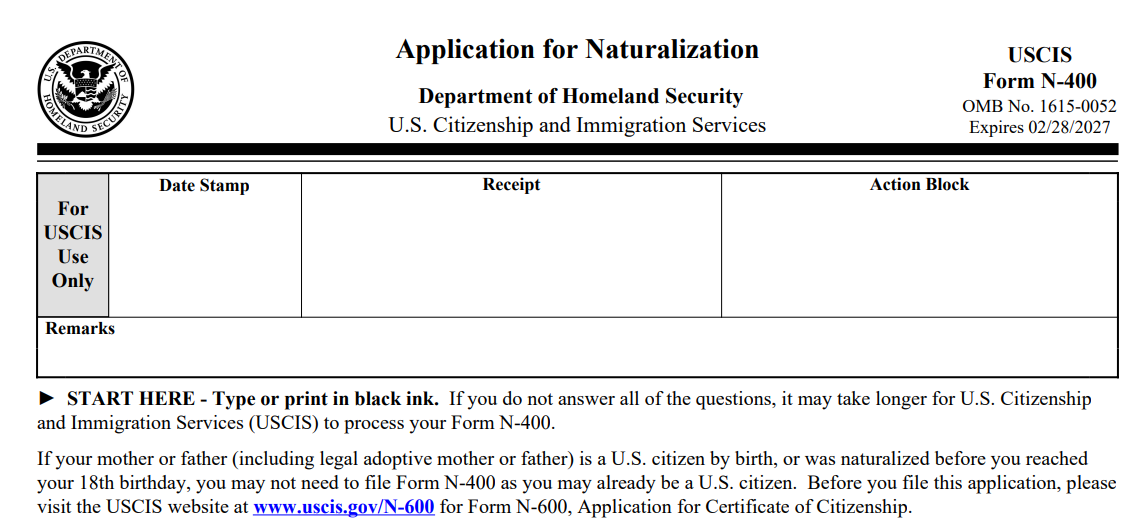


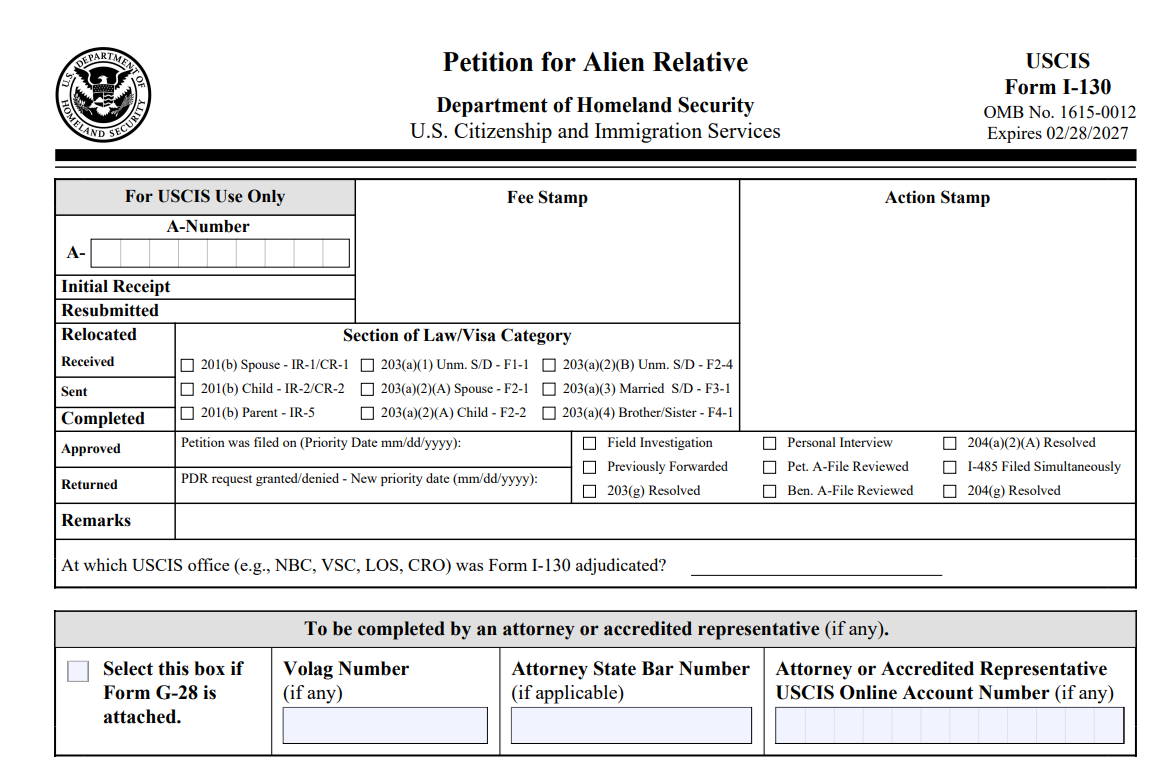





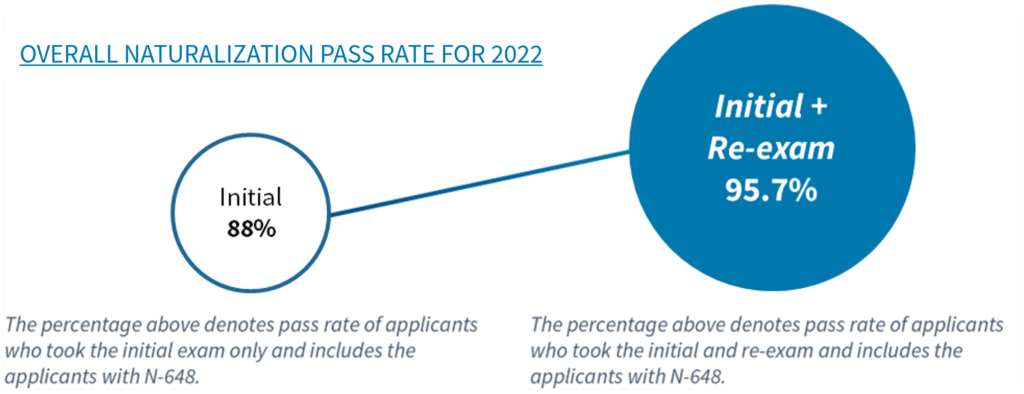 Photo grabbed from the