If you want to start a business in America, getting an E-2 visa is the way to go. Here’s what you need to know more about this visa category.
Exploring business opportunities in the United States is a great way to establish yourself in a new country. But just like others, you need to apply for an E-2 (or E2) visa to start your journey. This visa classification is for foreign entrepreneurs, essential employees, and investors who want to work or manage a viable business in the U.S.
So, what is E2 visa? This visa classification is for foreign entrepreneurs, essential employees, and investors who want to work or manage a viable business in the U.S. Unlike an immigrant visa, the E-2 is only temporary. Its flexibility and renewability can help you start your new life in America.
In the following sections, learn about E-2 visa specifics—including eligibility, the application process, and what to expect if your business faces challenges.
Key Takeaways:
• The E-2 visa is a non-immigrant option that allows treaty investors from treaty countries to create and operate a bona fide business in the United States.
• There’s no minimum investment required to ensure your business operates successfully in the U.S., as long as it's proportionate to its needs.
• You can renew your E-2 visa for up to two years, provided you can generate enough income to cover more than the minimum living expenses.
All the information you need about immigration is here.
Table of Contents
This non-immigrant visa is available to investors and entrepreneurs from a qualifying country with which the United States maintains a commercial treaty. It’s an E visa category that allows a principal investor or principal applicant to enter the U.S. to develop a bona fide enterprise after making a qualifying investment.
E-2 Visa at a glance:
• Visa type: Non-immigrant (temporary)
• Who it's for: Treaty-country investors, essential employees, and their families
• Minimum investment: No fixed floor — must be "substantial" relative to the business
• Initial stay: Up to 2 years per entry (may vary by country)
• Renewable: Indefinitely, in 2-year increments, while the business remains active
• Path to a green card: Not directly, but possible through separate visa categories
The goal of this visa is to promote job creation, economic growth, and international trade by allowing foreign entrepreneurs to build or support U.S. ventures.
These are the people who can apply for the visa:
This is the investor who meets the investment, nationality, and ownership requirements. To apply as the principal investor, you must:
• Be a citizen of a country that has a commerce and navigation treaty with the United States (residency in a treaty country is not enough — you need citizenship)
• Have invested, or are in the process of investing in business, a substantial amount of capital in a U.S. enterprise
• Own at least 50% of the business, or hold operational control through another corporate mechanism
• Be coming to the U.S. to direct and develop the enterprise
Your business can also bring:
• Essential employees
• Management staff
• Supervisors
• Employees with specialized skills that can’t be easily found in the American workforce.
The employees must be of the same nationality as the principal investor. Employees who do not meet the E-2 threshold may need to explore other employment-based visa options instead.
These relatives can join an E-2 investor:
• Spouses, who can also apply for an Employment Authorization Document to work in the U.S.
• Unmarried children under 21
• Dependent spouses who can obtain employment authorization, with no restrictions on where they can work.
If you’re planning to apply, see the full process and how our E-2 visa lawyer works.
USCIS and consular officers evaluate E-2 applications against a set of well-defined criteria. Each requirement below needs to be clearly demonstrated in your application.
The United States maintains commercial treaties with over 80 countries. Common treaty countries include the United Kingdom, Japan, Germany, Canada, Italy, South Korea, and the Philippines. If your home country is not on the treaty list, the E-2 is not available to you, regardless of investment size.
A substantial amount is an investment large enough to sustain the successful operation of an enterprise. There’s no fixed minimum investment, but immigration officers often examine:
• The total cost of starting or buying the business.
• Whether the investor’s funds are in danger of partial or total loss.
• The proportionality of the treaty investor's financial commitment.
• If the investment is considered substantial in proportion to the business model.
Take this, for example—a consulting firm may need a lower investment compared to a manufacturing company. A bank account with idle funds won’t qualify—show the funds invested and committed to the business.
To qualify for the E2 visa, the investor’s commitment must show genuine risk. Your funds must already be allocated to business operations, such as inventory, leases, deposits, equipment, and setup costs.
The business must be real, active, and commercially viable. Two things disqualify a business under this standard:
• Passive investments: Undeveloped land, holding companies, and portfolios of stocks or securities do not qualify. The business must generate economic activity.
• Marginal enterprises: A business that generates only enough income to support the investor's personal living expenses — with no significant contribution to the U.S. economy — fails the non-marginality test. The business should show current or realistic future capacity to employ U.S. workers or otherwise contribute economically.
The principal investor must own at least 50% of the enterprise, or otherwise demonstrate operational control. If ownership is shared among multiple investors, the applicant's share and control structure must be carefully documented.
The E-2 is a non-immigrant visa. Applicants must demonstrate an intention to depart the U.S. when their status expires or is terminated — even though the visa is renewable indefinitely in practice.
Present a solid business plan that shows the path to a successful and efficient operation. Employees of E-2 companies can qualify if they’re hired for a managerial position or if they have specialized skills.
Your American business should be legitimate and revenue-generating. Some examples are:
• Retail stores
• Real estate management firms
• Franchise purchases
• Tech startups
• Manufacturing operations
• Hospitality businesses
These kinds of businesses must operate in the United States solely for commercial purposes. Passive investments, such as undeveloped land, holding companies, and stocks, aren’t qualified.
A marginal enterprise is a business that doesn’t have the current or future capacity to generate enough money beyond the investor’s living expenses or contribute significantly to the U.S. economy. It can’t meet the E-2 requirements.
Your business should:
• Provide a significant economic contribution to the United States.
• Generate enough income to support more than the investor’s minimal living.
• Show present or future capacity to grow, hire staff, and have an efficient operation.
Prove all of this by showing that your business plan has revenue projections, staffing plans, and a clear business model.
Here’s how to apply for the E-2 visa:
You’ll need to gather the following papers:
• A valid passport
• Proof of citizenship in the treaty country
• Proof of funds invested in the business
• A detailed business plan
• Evidence of a qualifying investment
• A clear business model
• Business ownership and financial documents
Most applicants fill out the Form DS-160. Some also complete Form DS-156E for E-2 investors or employees.
Get the appropriate form and fill it out before the deadline.
The fees you need to pay vary by consulate or embassy, but they generally include:
• MRV fee: Short for machine-readable visa fee, it’s a mandatory non-refundable visa application fee that you pay before scheduling an appointment. The amount depends on the visa category you applied for, and you need to pay it whether your visa is approved or not.
• Possible reciprocity fees: You may need to pay an additional issuance fee based on your home country’s reciprocity agreement with the U.S. The amount varies by visa type and nationality, and you’ll pay it if your visa is approved.
A consular officer will review your documents, examine your credibility, and determine if your business meets visa eligibility requirements.
Always remember to dress professionally and answer every question politely and honestly. Arrive early at the venue to undergo security checks and bring all documents related to your visa application.
If approved, your valid visa will be stamped in your passport. Track your application online or ask your immigration attorney for updates on its progress.
Lawyers are experts in handling immigration cases. Work with them today!
You may remain in the U.S. for up to two years per extension. You can renew your E-2 many times as long as:
• Your business is still operational.
• You have a qualifying investment.
• The business still generates profit or has the future capacity to do so.
E-2 visa holders can travel freely inside and outside of the U.S. as long as their visa stamp remains valid.
These can happen if your business stops operations or fails to generate income:
• You may lose your nonimmigrant status.
• The E-2 visa may not be renewed.
• Homeland Security can revoke your E-2 classification during adjudication if an extension request or a status change request is submitted.
The E-2 visa doesn’t directly lead to permanent residence. However, many investors transition to other categories when the business grows.
The E-2 visa is only temporary. You can renew it as long as your business remains active and meets all the requirements. It doesn’t lead to citizenship, and you can’t apply to be a U.S. citizen in an E-2 status. However, it can contribute to your long-term immigration plan if you handle things well.
Even though the E-2 isn’t convertible to a green card, you can try these routes to become a permanent resident and, later, a U.S. citizen.
If your business expands and your investment increases, you can apply for an EB-5 visa. The requirements include:
• $800,000–$1,050,000 worth of investment, depending on your business location
• Creation of at least 10 full-time U.S. jobs
• Proof that the capital for the business is from lawful resources.
For many E-2 investors, expanding their business operations over time brings them closer to EB-5 eligibility.
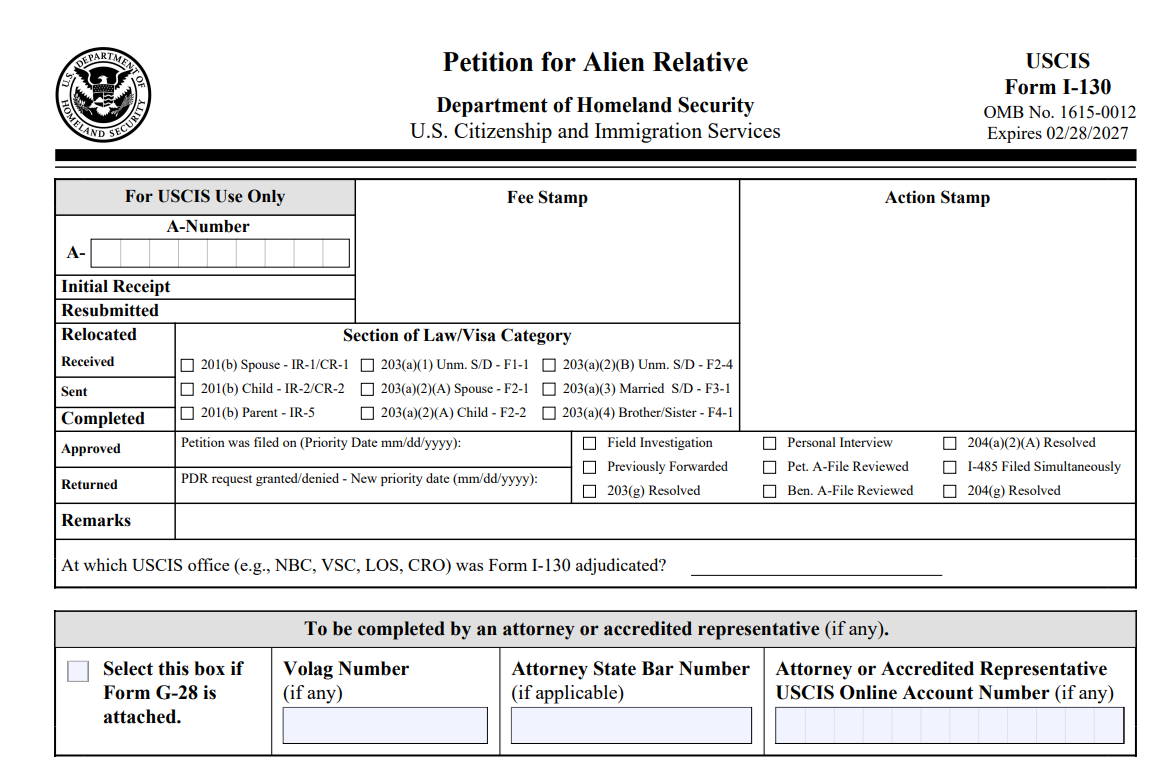
Some E-2 visa holders may qualify for a green card through their U.S. citizen spouse, U.S. citizen child 21 years old and above, and other eligible immediate relatives.
This route is usually faster and doesn’t need a connection to E-2 businesses.
If you have notable business achievements, exceptional skills, or strong credentials, you can qualify for:
• EB-1A (extraordinary ability)
• EB-2 National Interest Waiver (NIW)
These categories are ideal for E-2 entrepreneurs who have a successful, high-impact business in America.
Yes, but they need to obtain a green card first. The general path is:
1. Transitioning from an E-2 status to a green card, including EB-5, EB-1, EB-2 NIW, family-based, or employer-sponsored.
2. Hold a green card for at least five years or three if married to a U.S. citizen.
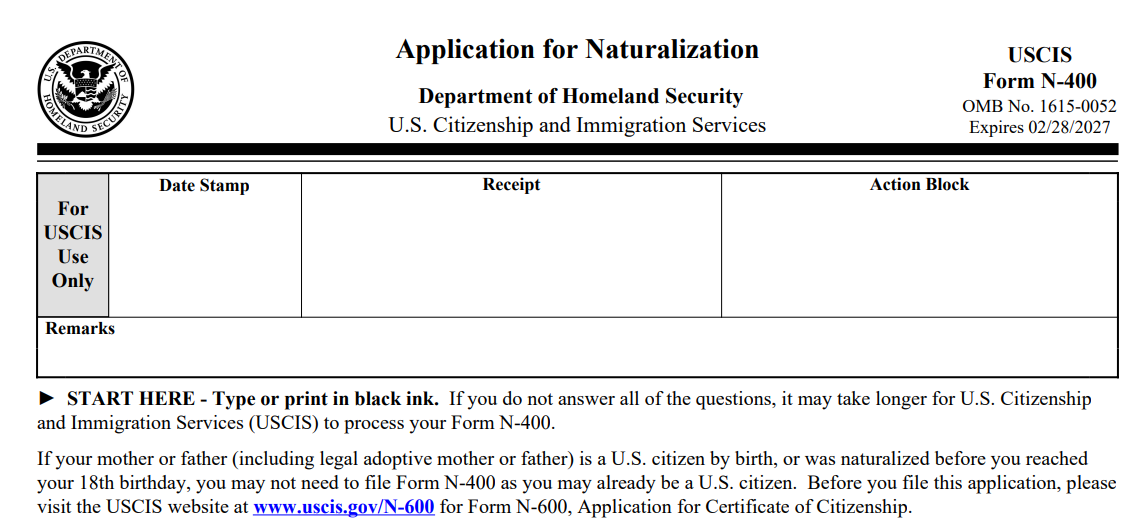
3. Apply for naturalization and complete all the necessary steps of the citizenship process.
If you want guidance on structuring your investment and building a complete application, our attorneys work through this process regularly. Learn how we help E-2 investors.
Applying for an E-2 visa can be stressful if you don’t know where to start. As you gather documents, proof of investment, and financial records, it may start to feel overwhelming. You may end up making mistakes or having your application rejected.
That’s why working with an immigration lawyer is valuable when:
• You’ve never applied for any kind of U.S. visa before.
• You’re not sure how to structure your substantial investment.
• You need help organizing your business plan, evidence of a funding source, and financial projections.
• You have multiple business partners, or if the business has a complex ownership structure.
• You want to avoid errors that can lead to additional evidence requests, lengthy processing times, or, worse, a denial.
A qualified attorney reviews whether your investment is active, at risk, or compliant with government standards. They can also help you come up with a strong narrative to show that your business will generate enough income to contribute to the U.S. economy.
Legal guidance is also essential if you’ve had previous visa denials, financial paperwork gaps, incomplete business activities, and uncertainty about whether your business may be considered marginal.
Understanding everything about the E-2 visa is a crucial step in starting your entrepreneurial journey in the United States. This visa enables investors and essential employees from treaty nations to build businesses that contribute to the U.S. economy.
The right business plan, a qualifying investment, and a clear vision can help you bring your vision to life. The E-2 visa can be a long-term solution for individuals seeking to expand their business while residing and working in the U.S.
Your E-2 visa application becomes easier when you work with us at Hacking Immigration Law, LLC. Our lawyers are always ready to help when you need help with your E-2 visa matters.