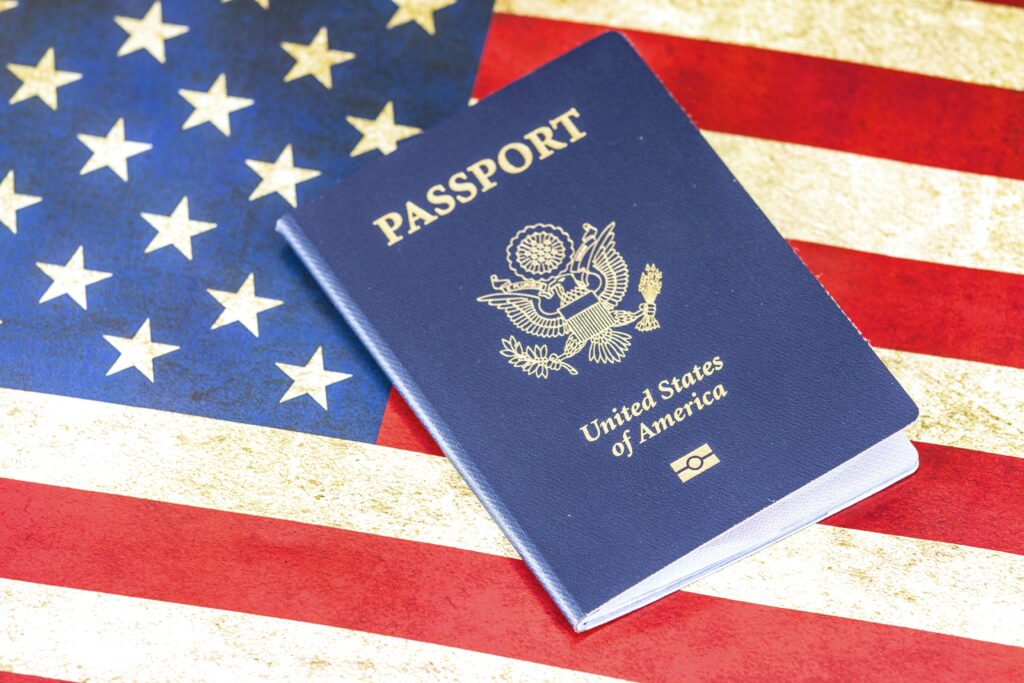
The key difference comes down to one thing: permanence. Many immigrants start with a green card and later apply for U.S. citizenship, but the two carry very different rights, responsibilities, and risks. Should you stay a resident or take the oath?
While a green card grants you the status of a Lawful Permanent Resident, that permanence is more fragile than the name suggests. It is essentially a long-term lease on American life. It can be revoked if you stay outside the country for too long or find yourself on the wrong side of a complex legal code.
Citizenship, by contrast, is the strongest legal protection and power that no visa can match. The shift from resident to citizen is the difference between being a guest in a house and being the owner of the deed.
At Hacking Immigration Law, LLC, we provide the clarity you need to protect your future. Our experienced team offers a transparent look at the benefits and risks of each status, guiding you toward the strategic path that best secures your American dream.
Key takeaways:
• A green card grants lawful permanent resident status, while citizenship gives you full rights as a U.S. citizen, including voting in federal elections
• A green card holder can qualify for U.S. citizenship once they have held their green card for five years - or just three years if they are applying based on their marriage to a U.S. citizen.
• Citizenship requires passing a civics test, demonstrating good moral character, and the ability to speak basic English.
Not sure whether to stay as a permanent resident or pursue citizenship?
Table of Contents
This is a permanent resident card issued by U.S. Citizenship and Immigration Services (USCIS). It proves that you're a lawful permanent resident of the United States.
Permanent residency is not the same as citizenship. You are still a citizen of your home country. You hold lawful permanent resident status, but you do not hold full U.S. rights. You'll need to renew your green card every 10 years, though your permanent resident status does not expire as long as you remain in compliance with immigration law.
There are several paths to permanent residence:
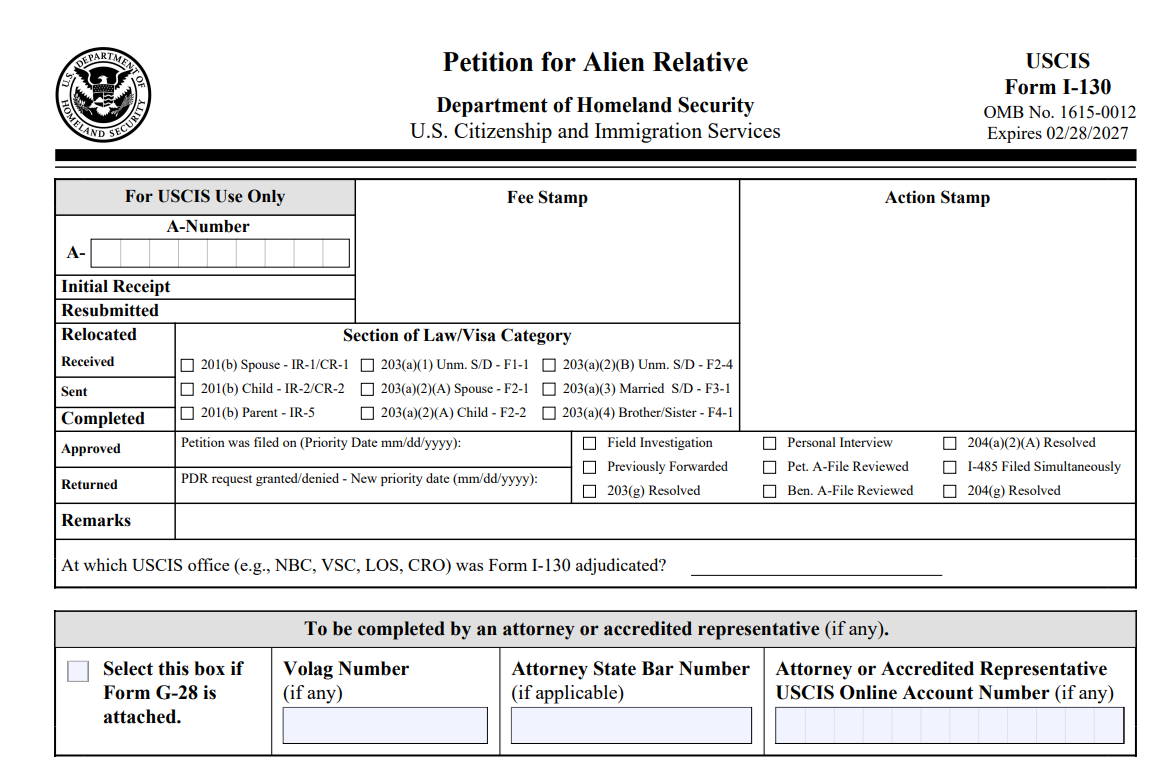
• Family-based sponsorship: A U.S. citizen or lawful permanent resident petitions for immediate relatives, unmarried children, or married children
• Employment-based sponsorship: An employer sponsors a worker through one of several preference categories
• Diversity visa lottery: A random selection program for nationals of underrepresented countries
• Refugee or asylee status: Individuals granted protection can apply for a green card after a year
• Special categories: Including VAWA, U-visas, and certain other immigration programs
U.S. citizenship is the highest immigration status a person can hold. Once you become a U.S. citizen, you cannot be deported, even if you commit certain crimes that would put a permanent resident into removal proceedings.
There are two main ways to become a citizen:
1. By birth. You are a citizen if you are born in the U.S. or born abroad to citizen parents
2. By naturalization. You apply for U.S. citizenship after meeting residency and eligibility requirements.
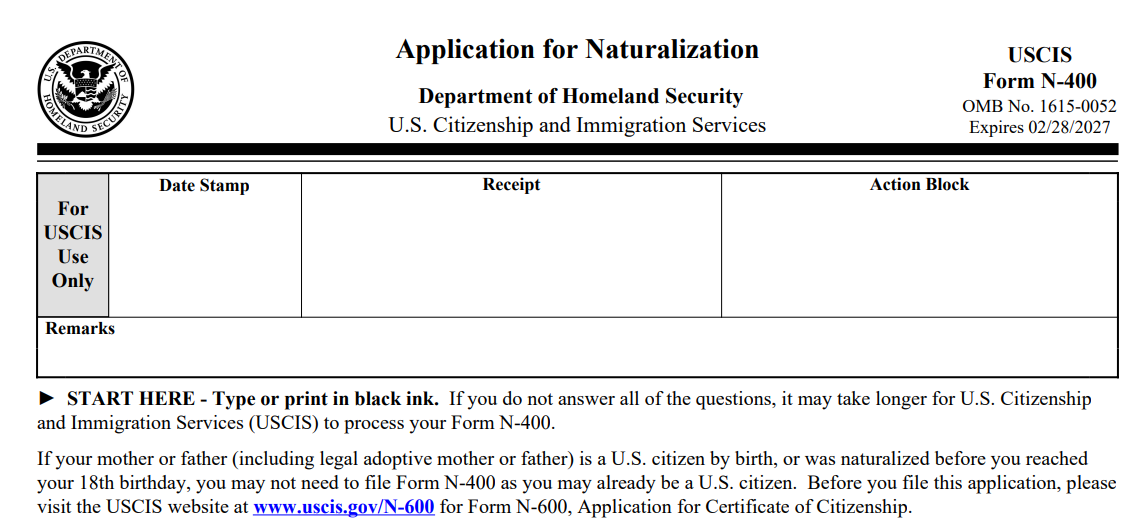
Naturalization is the path most green card holders follow. It requires living in the U.S. as a lawful permanent resident for a set number of years, passing a civics test and English test, and demonstrating good moral character.
Ensure your future is protected by securing expert guidance for every step of your naturalization application.
| Feature | Green Card (Permanent Resident) | U.S. Citizenship |
| Legal status | Lawful permanent resident status | Full citizenship status |
| Right to live in the U.S. | Yes, but can lose status with long trips abroad | Yes, permanently (cannot be deported) |
| Right to work | Yes, for any employer | Yes, for any employer, including certain government jobs |
| Vote in elections | No, cannot vote in federal elections or most local elections | Yes, can vote in federal, state, and local elections (subject to state requirements) |
| US passport | No, travel on a home country passport with a reentry permit | Yes, a full US passport |
| Sponsor family members | Can sponsor spouse and unmarried children only | Can sponsor more family members, including close family members, married children, and siblings |
| Federal benefits | Limited access to some federal benefits | Broader eligibility for federal benefits (subject to program requirements) |
| Social security | Can receive social security benefits if eligible | Full social security benefits access |
| Government jobs | Excluded from certain government jobs and security clearances | Eligible for all government jobs and security clearances |
| Deportation risk | Yes, can face removal proceedings for criminal activity, committed fraud, or immigration violations | Citizens generally cannot be deported, unless their citizenship is revoked due to fraud or serious legal violations. |
| Jury duty | Not required | Required |
| Run for office | No | Yes (with some restrictions for the president) |
| Dual citizenship | Can maintain home country citizenship | May be able to hold dual citizenship depending on the home country's rules |
| Renewal required | Renewal every 10 years | No renewal |
| Travel abroad | Long trips abroad can trigger loss of status, so you may need a reentry permit for trips over one year | Can travel to multiple countries and stay abroad as long as desired |
Green card holders have broad rights in the United States. As a lawful permanent resident, you can:
• Work and live anywhere in the U.S. permanently
• Own property, start a business, and get a driver's license
• Receive social security benefits if you meet work credit requirements
• Access certain federal benefits and state programs
• Travel abroad with your permanent resident card (with restrictions)
• Sponsor your spouse and unmarried children for green cards
• Attend public schools and universities
• Apply for U.S. citizenship after meeting residency requirements
Citizenship offers additional rights that permanent residents do not have. Only citizens can:
• Vote in federal elections and most local elections
• Hold a US passport and receive full consular protection abroad
• Run for elected office
• Work in certain government jobs that require security clearances
• Sponsor more family members for immigration, including parents, married children, and siblings
• Receive full federal benefits without restrictions
• Travel to multiple countries without visa requirements that apply to non-citizens
• Stay abroad for as long as they want without losing status
The biggest difference is security. If you're a citizen, you cannot be deported. But if you're a permanent resident, you may lose your green card status due to criminal activity, fraud, failure to maintain permanent residence, or other violations of immigration law.
• Annually file your income tax returns with the IRS
• Register for Selective Service (males aged 18-25)
• Obey all federal, state, and local laws
• Support the democratic form of government
• Additional citizenship responsibilities
• Serve on a jury when called
• Vote in federal elections (a right and civic responsibility)
Green card holders who fail to file income tax returns or register with the Selective Service risk problems with their immigration journey. These failures can block your path to obtaining citizenship.
Most green card holders follow a clear path from permanent residency to citizenship
Step-by-step process
1) Confirm eligibility
2) File Form N-400
3) Attend a biometrics appointment
4) Complete the interview
5) Receive a decision
6) Take the Oath of Allegiance
The process typically takes several months to over a year, depending on USCIS processing times and location.
Several things can block or delay your naturalization:
• Certain crimes, including aggravated felonies, drug offenses, and crimes involving moral turpitude
• Failure to pay taxes or file income tax returns
• Providing false information to immigration authorities
• Failure to register for selective service
• Abandoning your permanent residence through an extended stay abroad
• Being in removal proceedings at the time of application
If you have any concerns about your eligibility, consult an immigration lawyer before filing. Our immigration attorneys can review your specific situation and help you avoid a denial.
Citizenship is not the right choice for everyone. Some permanent residents prefer to keep their green card status for practical reasons.
Reasons to stay a permanent resident
• Home country restrictions. Some countries don't allow dual citizenship and require you to give up your original nationality
• Tax implications. U.S. citizens must file income tax returns on worldwide income even while living abroad, which can create complications for people with income or assets in their home country
• Family or business ties. If you plan to return to your home country eventually, keeping your green card may be more flexible
• Political considerations. Some permanent residents prefer not to take the Oath of Allegiance for personal or political reasons
• You want to vote in U.S. elections and participate fully in democracy
• You want to sponsor close family members who are not eligible through a green card holder's petition
• You want protection from deportation
• You travel frequently and want a US passport
• You want access to certain government jobs or security clearances
• Your home country allows dual citizenship
• You plan to reside permanently in the United States for the rest of your life
Yes. Unlike U.S. citizens, green card holders can be placed in removal proceedings for criminal activity, fraud, or violations of immigration law.
Most green card holders wait five years after receiving lawful permanent resident status. If you are married to a citizen spouse, the waiting period drops to three years. The clock starts on the date you became a permanent resident, not the date you entered the U.S.
Yes. When you complete the naturalization process, your citizenship status replaces your permanent resident status. You will surrender your permanent resident card at the ceremony. You then receive a Certificate of Naturalization and can apply for a US passport.
The United States allows dual citizenship. You do not have to give up your home country's nationality when you become a U.S. citizen. However, your home country may not allow it. Check the rules in your home country before applying for naturalization.
If you fail either the English test or the civics test, you get one more chance. USCIS will reschedule your second interview within 60 to 90 days. You only need to retake the portion you failed. If you fail again, your application is denied, but you can refile.
Yes, if you have earned enough work credits, just like citizens. The requirement is typically 40 work credits, which equals about 10 years of work. Both permanent residents and citizens qualify under the same rules.
Yes, but with limits. Trips over 6 months can raise concerns about maintaining residency, and trips over one year typically require a reentry permit. Citizens can remain abroad indefinitely without risking their citizenship status.
When comparing a green card vs. citizenship, your best choice depends on your goals, your home country's laws, and your long-term plans.
For many immigrants, the immigration journey starts with a green card and ends with naturalization. If you meet the eligibility requirements and have maintained good moral character, the naturalization process is straightforward. The additional resources and rights that citizenship offers make it worth pursuing for most permanent residents.
If you are unsure about your eligibility or need legal help navigating the process, speak with a qualified immigration attorney. Getting the right advice now can save you years of delays and thousands of dollars.