Trump announces sweeping immigration changes. Learn how new policies may impact thousands of migrants across the U.S.
Immigration is back in the headlines. Former President Donald Trump, known for his tough stance during his first term, is pushing for even stricter immigration policies in 2025.
This time around, the stakes feel even higher. From reviving the border wall to limiting asylum claims, Trump is doubling down. The divided Congress, rising tensions at the southern border, and legal battles are brewing. Back in January, the Department of Homeland Security had signaled its intention to phase out the parole programs that had permitted select migrants to live and work in the U.S. temporarily.
Here’s what’s happening and what it means for every migrant and immigrant.
Key Takeaways:
• Major policy changes are underway that could affect hundreds of thousands of migrants.
• The administration's actions are creating a climate of fear and uncertainty within immigrant communities.
• The Trump team argues that programs like CHNV misuse humanitarian parole and hurt job markets.
Trump may have changed the rules—but we’ll help you play smart. Get legal support today.
Hire St. Louis Immigration Lawyers
Table of Contents
From 2017 to 2021, the Trump administration implemented some of the most aggressive immigration policies in modern history:
• Border Wall Construction. Billions were allocated to building a physical barrier along the U.S.-Mexico border.
• Travel Bans. Issued restrictions on individuals from several Muslim-majority countries.
• Family Separation Policy. It is known for detaining children apart from their parents at the border.
• Reduction in Legal Immigration. Including limits on green cards, refugee admissions, and asylum requests.
• Public and Political Response. While some hailed the moves as protective of American workers and sovereignty, others condemned them as inhumane and xenophobic.
In 2025, President Trump resumed and intensified his hardline immigration agenda:
The administration has expanded fast-track removal, allowing quick deportation of people who can’t prove two years of U.S. stay. This policy shift raises deportation risks for many migrants, even those who entered legally under past programs. But haven’t secured another legal status to remain in the country.
Launched in October 2022 by the Biden administration, the CHNV program aimed to provide a legal pathway for individuals. This program includes Cuba, Haiti, Nicaragua, and Venezuela, which are all to enter the U.S.
Beneficiaries were granted temporary legal status, known as parole. This allows them to live and work in the country for up to two years, provided they have a U.S.-based sponsor. The program was designed to reduce illegal border crossings and offer a humanitarian solution for those fleeing instability in their home countries.
However, the Trump administration has criticized the program as being an overreach of legal authority. On January 20, 2025, President Donald Trump signed Executive Order 14165, titled "Securing Our Borders," which effectively ended the CHNV program. The Department of Homeland Security announced that no new applications would be accepted. Other than that, existing beneficiaries would not have their parole status renewed.
Migrants who have not secured another legal status by April 24, 2025, are expected to leave the U.S. or face deportation proceedings. Despite the stance, a federal judge has temporarily blocked the revocation. This cites concerns about the legality of mass deportations without individual assessments.
In a bold move, President Trump floated deporting naturalized citizens convicted of some crimes. This idea raises big legal concerns and fuels debate on limits of executive power in immigration.
President Trump spent time pursuing his immigration crackdown. Recent Trump immigration news as of 2025:
The IRS is nearing a deal to start helping Immigration and Customs Enforcement (ICE) locate migrants suspected of being in the US illegally. This would involve the IRS cross-referencing names and addresses submitted by ICE with its tax data, representing a significant policy shift. Tax information is typically closely guarded by the IRS.
The Trump administration filed new immigration fraud accusations against Mahmoud Khalil. He is a Columbia University graduate and Palestinian activist. Immigration officers have previously arrested him.
Allegedly, Khalil failed to disclose background details on his green card application. These include his membership with UNRWA and his previous employment with the Syria office in the British Embassy in Lebanon.
The federal government also argues his removal is warranted. This is due to the secretary of state’s determination. His presence would have adverse foreign policy consequences. Khalil’s attorneys deny any ties to Hamas. They argue his detention retaliates against his pro-Palestinian activism.
The Trump administration uses expedited removal and sometimes invokes the Alien Enemies Act for fast deportations. This is a rarely used wartime legal measure. Immigration flights have resumed, but federal judges issued temporary halts. Officials claim many deported individuals are gang-affiliated, yet evidence has been limited. This has led to criticism from human rights communities.
Tom Homan, the so-called “border czar,” dismissed legal rights concerns. He suggests national security outweighs individual protections. Immigrant rights activists argue this violates constitutional rights. They also believe it risks unjustly separating families.
Even legal immigrants with immigration officers previously arrested might try to remove them from the country, leading to canceled travel plans and lifestyle changes.
These headlines indicate a significant push by the Trump administration to enact stricter immigration enforcement and reduce legal immigration pathways. The administration is facing legal challenges and public reaction, including protests and concerns from immigrant communities.
Thousands are already preparing for the potential policy shift—don’t be left behind. Get immigration help today.
• Increased ICE Activity
Immigration and Customs Enforcement (ICE) is arresting and deporting more individuals lacking legal status.
• State Participation
Republican states like Texas and Florida collaborate with federal immigration authorities. This enforces immigration laws.
• Surveillance
Advanced technologies like drones, AI, and border sensors are increasingly used. These watch and secure the U.S.-Mexico border.
• Restricted Access
Southern border asylum seekers face longer waits and stricter vetting. This makes asylum harder to get.
• Refugee Caps
The administration is reducing refugee admissions, with some nationalities potentially barred entirely.
• Green Card Caps
Green card processing is slowing, and quotas may decrease, affecting permanent residency seekers.
• Family & Work Visas
Family reunification and employment-based immigration programs are under review, with potential cuts expected.
• DACA Uncertainty
The Deferred Action for Childhood Arrivals (DACA) faces uncertainty, with renewal halts and legal protection risks depending on coming court rulings.
• Temporary Protected Status Withdrawal
The Trump administration will end immigration status for over 500,000 migrants. This follows an announcement in January by DHS teasing the phase-out of these parole programs.
• Enforcement Alliances
States like Texas, Florida, and Arizona are aligning with President Donald Trump's administration. This is to bolster immigration enforcement efforts.
• Sanctuary Cities Targeted
The administration is pressuring sanctuary cities via legal challenges and potential funding cuts. This aims to compel compliance with immigration policies.
• CHNV Program Revocation Blocked
The Trump administration announced to revoke the temporary legal status of more than half a million migrants from these countries, warning them to leave by April 24. DHS said it will seek the arrest of people subject to this policy change if they don't leave within 30 days. An immigration judge temporarily blocked the Trump administration's attempt to terminate the program.
• Venezuelan TPS Protections Upheld
A federal judge terminated the administration’s plan to deport 350,000 Venezuelans with TPS. The judge considered the move illegal and potentially biased.
• Potential Revocation for Ukrainian and Afghan Refugees
The administration is considering revoking temporary legal status for about 240,000 Ukrainians and 70,000 Afghans who fled the conflict. This is raising concerns among advocates and prompting legal scrutiny.
Mixed-status families fear as immigration raids increase. Schools report more absences from kids of undocumented parents as families hide to avoid detection. Even legal residents now report more anxiety due to profiling and broad enforcement actions.
Mental health professionals are also seeing rising anxiety, depression, and trauma in these communities. Children show signs of chronic stress, and therapists note more family issues like violence and strained bonds due to deportation threats.
Deportation fears are hitting families financially as well. Many immigrants are skipping work, avoiding hospitals, and opting out of programs like SNAP and Medicaid. This leads to more food insecurity and a greater risk of homelessness, especially for key earners.
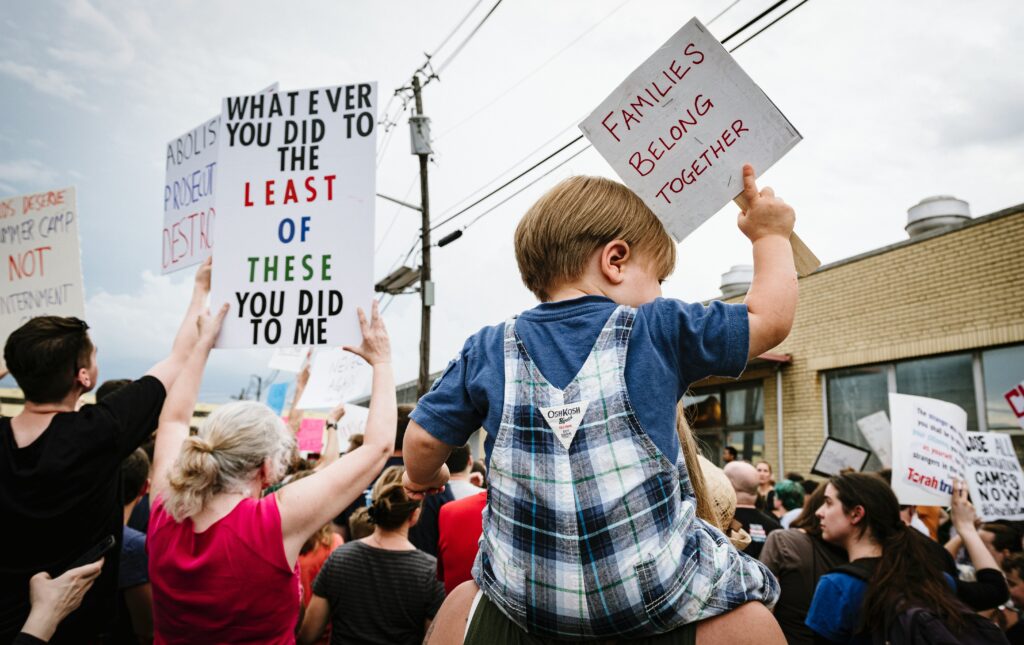
Nationwide, immigrant rights groups are organizing rallies, marches, and vigils. Washington, D.C., is a major battleground, with thousands calling for laws and oversight. Online campaigns and partnerships with unions and churches are pushing lawmakers to act. Many demand the return of CHNV protections and a stop to what they call mass deportations.
Experts like Hacking Immigration Law, LLC are swamped with pleas for help. Their attorneys now offer consultations and asylum checks. Many legal experts can’t meet demand, raising fears about justice access. However, Hacking Immigration Law, LLC will make a way.
Your status, your family, your future—everything could change. Get the immigration help that could make a difference.
The current state of immigration laws is creating significant challenges for undocumented immigrants, businesses, and advocates alike.
These individuals are facing increased risks of raids, detainment, and deportation. The stricter policies have led to a heightened sense of fear and uncertainty. Many immigrants are unsure of their safety, and the risk of being separated from their families has become a pressing concern.
Industries like hospitality, agriculture, and construction are experiencing labor shortages. Many rely on immigrant workers, and with stricter immigration policies, these businesses are struggling to fill essential roles. This shortage could lead to project delays, reduced productivity, and even closures, especially in sectors that rely heavily on immigrant labor.
Immigration advocates and attorneys are facing immense pressure. With an increasing number of immigration fraud claims, the strain on immigration courts is becoming unbearable. There is also a growing backlog of cases, which means individuals take longer to get their day in court. Representatives work overtime to help those in need, but the system is overloaded.
In light of these challenges, individuals need to stay informed and take proactive steps. Consulting with experts like Hacking Immigration Law, LLC and staying updated on the latest federal register updates can help immigrants and businesses prepare for potential changes. By remaining vigilant, immigrants can better protect themselves, and businesses can ensure their workforce remains intact despite growing pressures.
Trump’s immigration crackdown is already reshaping the landscape of U.S. immigration law in 2025. Revoking the parole status is just the start. From legal challenges to business impacts and family crises, these policies affect virtually every facet of American society.
It’s essential for everyone—from migrants to employers to concerned citizens—to stay informed, act early, and lean on credible legal and advocacy resources. As President Donald pushes forward, his legal challenge to Biden-era programs continues to face scrutiny.
Trusted firms like Hacking Immigration Law, LLC play a role in helping individuals navigate these times. Get expert help before it's too late!